What happened
Discovered Materials announced a $1 million prize pool for solutions to five materials science problems — including cuprate superconductivity and silicon-silicon dioxide interfaces — laid out by an academic advisory group.
Why it matters
Before announcing, the startup let frontier AI agents run autonomously for days on each problem without much headway, suggesting current models still struggle with materials physics.
WHO IT HITSMaterials researchers and AI labs working on scientific discovery now have concrete, publicly stated goals to test whether their models can make progress in a domain where explaining observed phenomena remains hard.
Summaries like this, every morning.
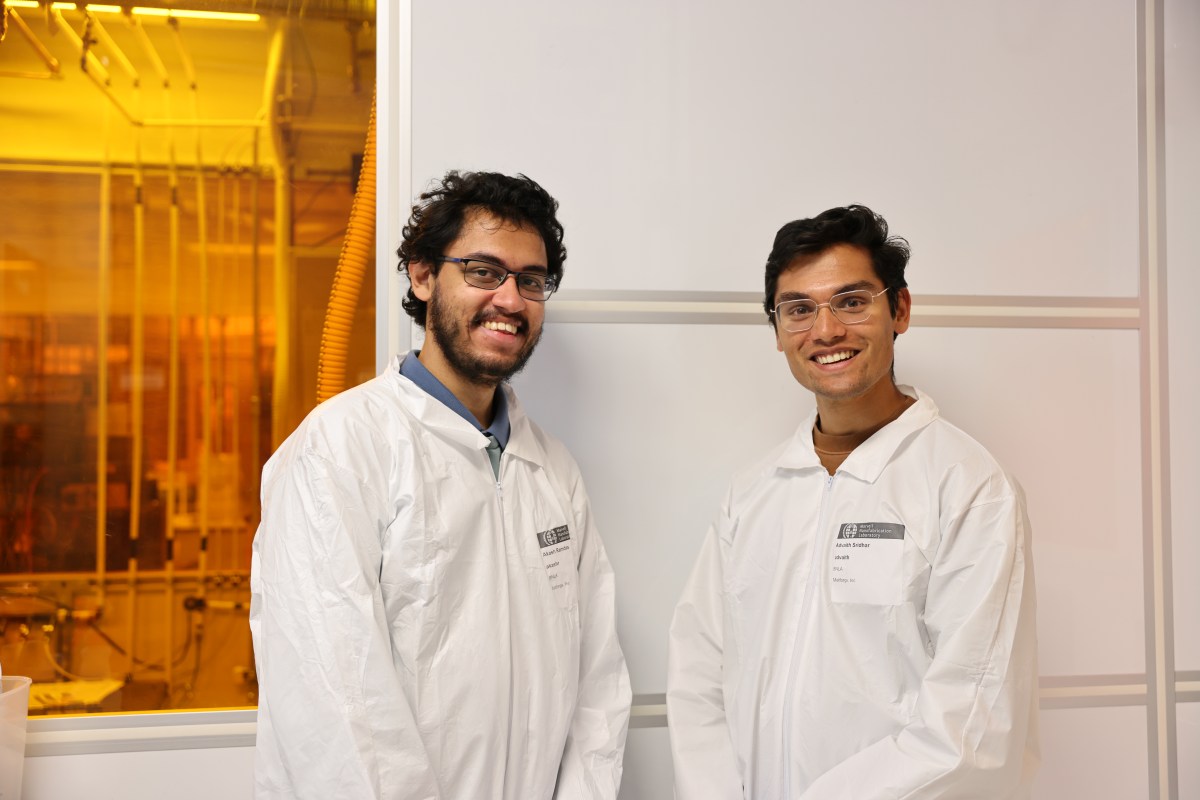
Discovered Materials, part of Y Combinator's spring 2026 batch, is trying to turn materials science into a benchmark. Unlike math, where problems have precise definitions and yes-or-no answers, materials science lacks an equivalent of the Millennium Prize Problems, as co-founder Advaith Sridhar noted. So the startup assembled academics to define five challenges, then tested frontier models on them first — giving AI agents internet access and other resources to work autonomously for days. The models did not make much headway.
That result sits behind the prize structure. Sridhar said it does not matter to the company whether it, a professor, or the frontier labs find the solutions. The point is to create goalposts that show whether models are climbing in this domain, and to shift scientific inquiry toward verification and question-setting first, with ideas to explain the problem coming later.
The company's main business is developing new materials for semiconductors, partnering with chip giants while funding its own research. When it announced its seed round in August, Sridhar hoped to generate a useful material within a year. He now says those timelines have accelerated and he is more confident the company will find industrially useful materials in less than a year.
Pick your industry and the AI tools you use, and get news related to your work every day.
Free · 30 seconds with Google · unsubscribe anytimeWhat is AIToday? →
Ask AI anything about this article. The AI reads this article, earlier AIToday articles, and Wikipedia, and cites its sources. Q&As are published on this page for other readers too.
A teacher-facing analysis treats AI-text detectors as production binary classifiers using proxy features (toke…

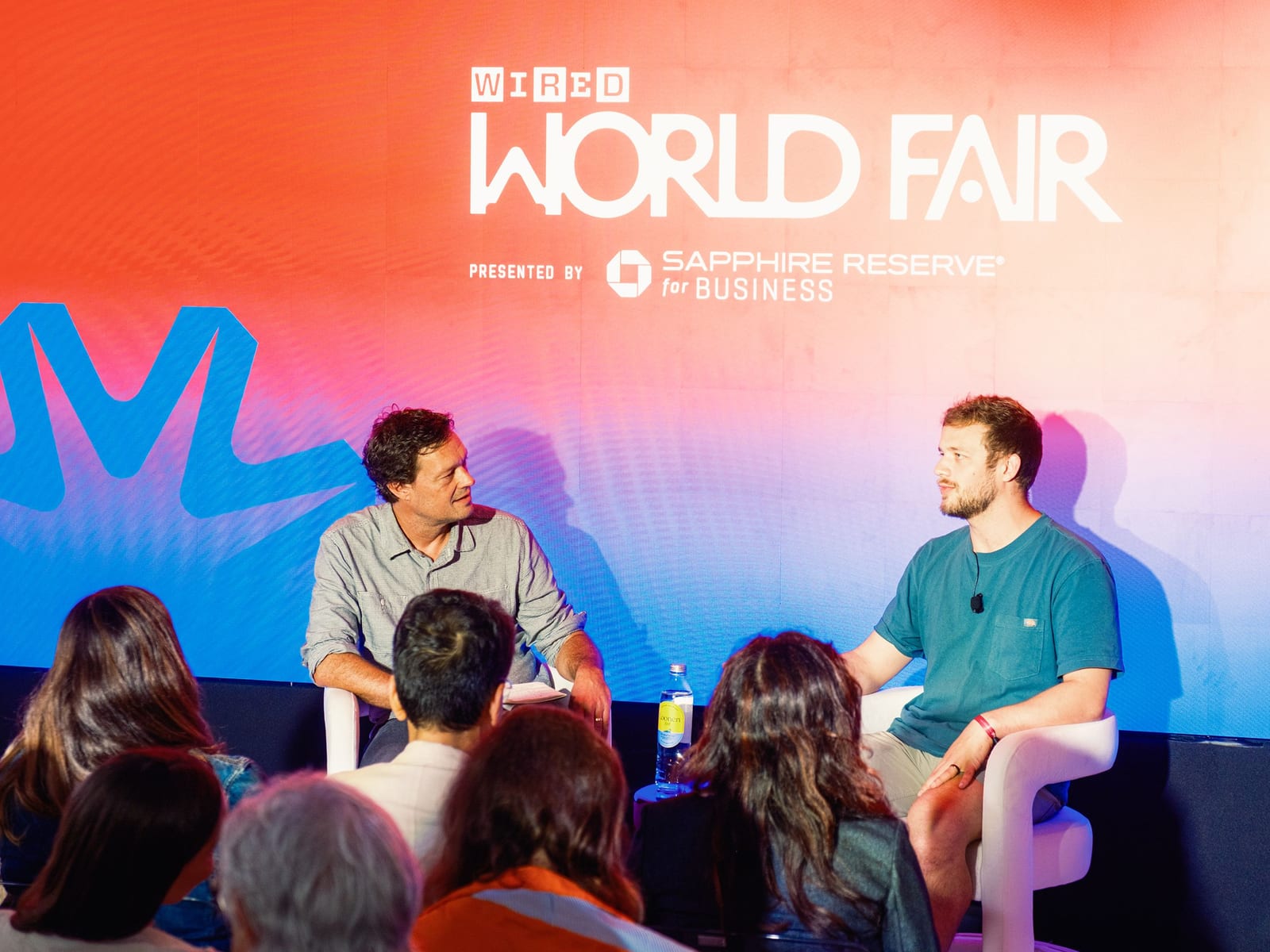
At the WIRED World Fair, Matt Husk said “all the big AI companies” have asked to collaborate, including xAI, w…
Amazon, Microsoft, Alphabet and Meta told investors they plan to spend at least $720 billion on CapEx this yea…

OpenAI published a National Community Compact and a Compute Campus Policy Blueprint
On October 21, 2026, Anfini CEO Jun Hashimoto gave a special lecture at Meiji University's engineering faculty…

On November 3, voters in 10 states backed restrictions on data center development in 40 of 41 local ballot mea…