Summaries like this, in your inbox every morning.
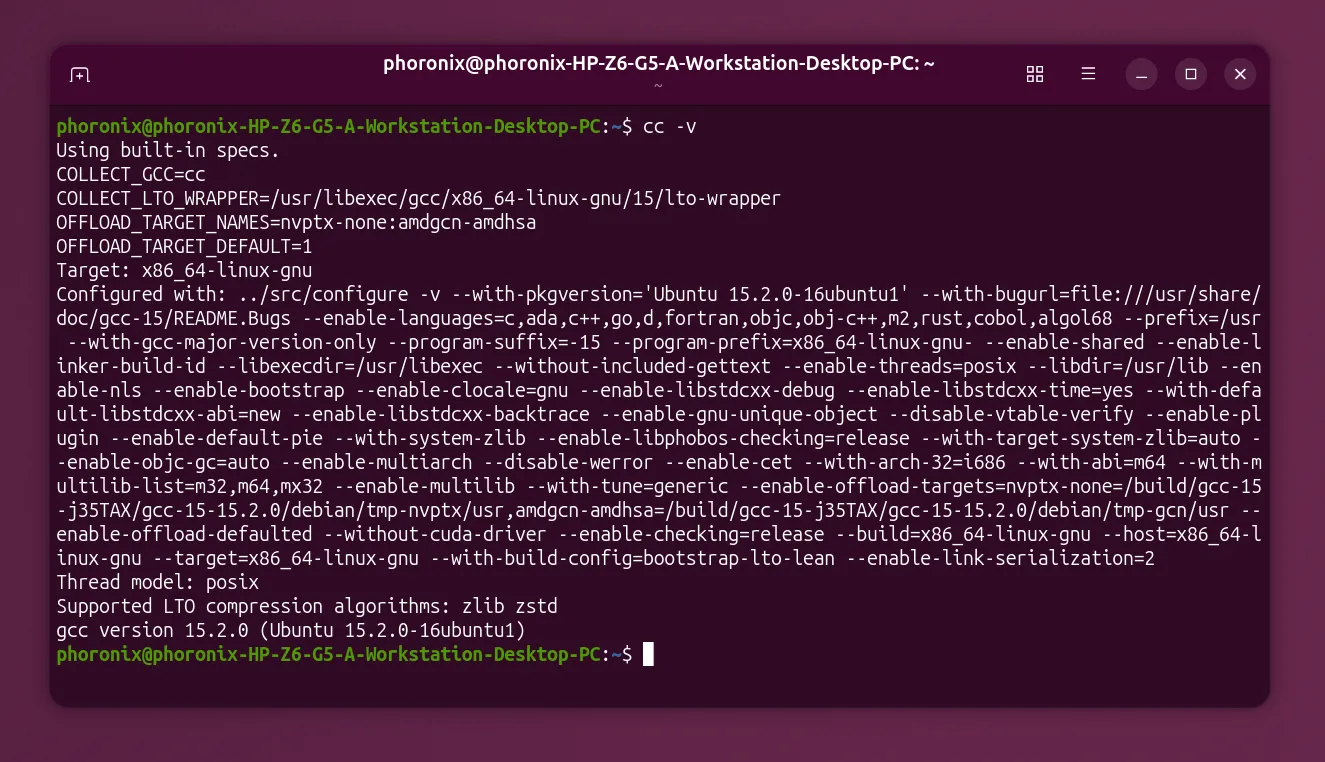
Sign up free →GCC (the GNU Compiler Collection, the free software that translates code into machine instructions) created a dedicated working group tasked with deciding how the project will handle AI and large language models (AI systems trained on vast text data that can write and understand language). This is the first formal governance step—GCC had no AI policy before.
The working group will draft rules covering what AI tools GCC developers can use internally, whether AI-generated code can be contributed to the project, and how to credit AI in open-source work. These decisions will shape what kinds of AI assistance are acceptable in one of the world's most widely-used compilers.
Developers and companies that rely on GCC—from embedded systems engineers building firmware to Linux distributions shipping the compiler—will eventually inherit these policies. If GCC bans AI-generated patches, contributors will need to prove code is human-written; if it permits them, the compiler's codebase could shift toward AI-assisted development faster than proprietary projects.
No comments yet. Be the first to share your thoughts!
Log in to join the discussion

Get curated AI news from 200+ sources delivered daily to your inbox. Free to use.
Get Started FreeFree · takes 30 seconds · unsubscribe anytime
1 minute a day. The AI essentials.
200+ sources · Email / LINE / Slack
