NextEra Energy, the nation's largest power company, is betting heavily on the artificial intelligence boom by pursuing a $67 billion(約11兆円) acquisition of Dominion Energy while simultaneously expanding its data center infrastructure. The company posted record profits of $3.14 billion(約5000億円) in the second quarter and secured approval to restart a nuclear plant serving Google, signaling its readiness to meet the electricity demands of AI infrastructure. However, Virginia regulators have extended their review of the Dominion deal to 180 days amid growing political opposition.
Summaries like this, in your inbox every morning.
Sign up free →What happened
NextEra Energy announced record second-quarter profit of $3.14 billion(約5000億円) and won regulatory approval to restart a nuclear plant for Google in Iowa. The company is pursuing a $67 billion(約11兆円) acquisition of Dominion Energy, with Virginia regulators extending the review period to 180 days. In Florida, data centers seeking grid connections grew by 2 gigawatts.
Why it matters
NextEra, the country's largest power company, is positioning itself as the primary electricity supplier for AI infrastructure as demand surges. The Dominion deal would give NextEra control of a utility central to the U.S. data center boom. CEO John Ketchum argues NextEra's scale creates cost efficiencies that no other company can match at this scope.
What to watch
Virginia regulators' approval of the Dominion acquisition—political opposition is mounting from state Democrats and environmental groups. NextEra also expects to connect 8 gigawatts of data center load to its Florida grid by 2032, up from 6 gigawatts previously anticipated. A $550 billion(約88兆円) natural gas generation deal with Japan (announced in March for 9.5 gigawatts in Pennsylvania and Texas) remains in negotiation with no update provided Friday.
NextEra Energy moved aggressively Friday to cement its position as the electricity backbone of the artificial intelligence boom, announcing record profits and advancing multiple infrastructure plays designed to lock in data center demand. In its second quarter, the company reported profits of $3.14 billion(約5000億円), up from $2.03 billion(約3200億円) in the same quarter last year, though profit margins disappointed analysts and the stock dipped slightly on the news.
The company's strategic initiatives are threefold. First, NextEra secured approval from Iowa regulators to restart a shuttered nuclear power plant that will supply electricity to Google. Second, in Florida—where public opposition to data centers is rising—the company reported that data centers seeking to connect to its grid grew by 2 gigawatts, more than the peak electricity consumption of Orlando's local utility. NextEra now expects to connect 8 gigawatts of large-scale data center load to its Florida grid by 2032, up from 6 gigawatts previously anticipated. Third, and most significantly, NextEra is pursuing a $67 billion(約11兆円) acquisition of Dominion Energy, the Virginia utility at the center of the country's data center boom. Virginia's State Corporation Commission, reviewing the proposal, extended the review period from 60 to 180 days.
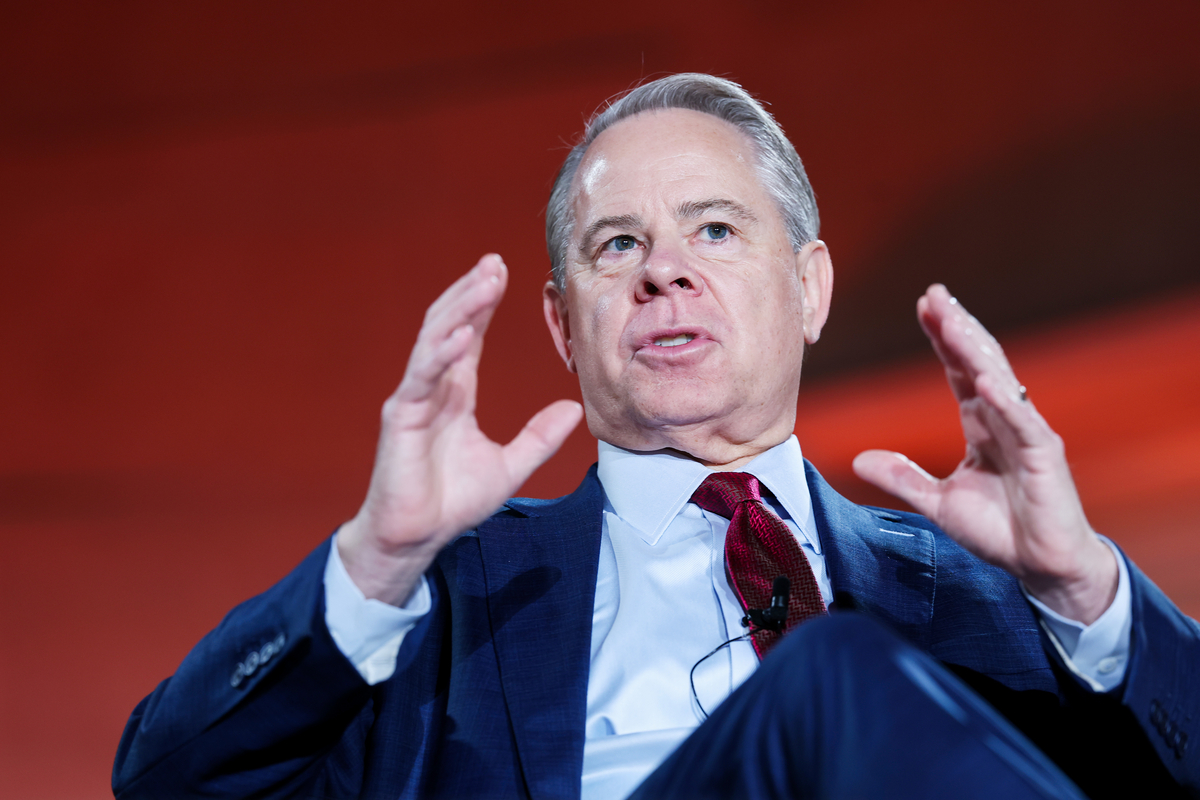
CEO John Ketchum made the strategic case directly to investors: "Scale matters because it creates efficiencies that compound over time into lower costs, better experience, and stronger outcomes for customers, which has never been more important given the challenges being faced today." He added that few companies possess the "experience" and "vertically integrated skill sets" to build generation solutions at the speed and scope required. NextEra, with a market capitalization around $168 billion(約27兆円), is America's most valuable power company. Its subsidiary Florida Power and Light is the country's largest utility by customer count, and its development arm, NextEra Energy Resources, is the nation's leading renewable energy creator. Analyst James West of Melius Research wrote that NextEra "is structuring itself to be the only company with the balance sheet, supply chain, and operating platform to meet that demand at scale."
Yet obstacles are mounting. In March, the Trump administration selected NextEra to build 9.5 gigawatts of new natural gas generation in Pennsylvania and Texas as part of a $550 billion(約88兆円) trade deal with Japan. Company executives said in April they hoped to finalize the deal within two or three months, but provided no update Friday. When asked about the lack of progress, Ketchum downplayed it: "When you bring two large nation-states together, things don't always go according to schedule in terms of getting things done as fast as you might want." In Virginia, opposition to the Dominion deal is intensifying. Clean Virginia, an environmental group, filed a motion with state regulators last week arguing that NextEra's application was incomplete. Both state Attorney General Jay Jones and Lt. Gov. Ghazala Hashmi, both Democrats, have raised pointed questions about the merger. To counter concerns, NextEra highlighted its track record at Florida Power and Light, where it said the average residential bill is 30 percent lower than the national average, and promised to operate Dominion as a stand-alone entity with local decision-making intact.
NextEra Energy is leveraging the artificial intelligence industry's insatiable appetite for electricity to reshape its position as the dominant U.S. power company. The company's strategy rests on three pillars: acquiring critical infrastructure (the $67 billion(約11兆円) Dominion deal), restarting dormant generation capacity (the Iowa nuclear plant for Google), and expanding renewable and natural gas assets to serve data center clusters. CEO John Ketchum's repeated emphasis on scale—creating cost efficiencies through vertical integration and operating platform reach—reflects a confidence that few competitors can match the company's combination of balance sheet strength, supply chain, and operational footprint needed to serve this market at scale.
The path forward faces concrete headwinds, however, particularly in Virginia. Dominion is deeply embedded in the state's political and economic culture, and opposition from both the state's Democratic leadership and environmental groups signals that regulatory approval is not assured. The 180-day review extension suggests a cautious regulatory approach. Meanwhile, NextEra's largest international commitment—a $550 billion(約88兆円) trade deal with Japan to build 9.5 gigawatts of natural gas generation—remains unresolved after five months, with the company offering no timeline update. These delays underscore the complexity of executing its growth ambitions even for a company of NextEra's scale.
AI-summarized, only the topics you pick — one digest a day via Email, Slack, or Discord.
Free · takes 30 seconds · unsubscribe anytime
No comments yet. Be the first to share your thoughts!
Log in to join the discussion



Get curated AI news from 200+ sources delivered daily to your inbox. Free to use.
Get Started FreeFree · takes 30 seconds · unsubscribe anytime
