
A software engineer created By-Its-Cover, a recommendation system that suggests books based on their cover images using CLIP embeddings (a machine learning model that understands visual content). The system combines semantic image search with a neural collaborative-filtering model for personalized recommendations.
Summaries like this, in your inbox every morning.
Pick your industry and the AI tools you use, and get news related to your work every day.
Free · 30 seconds with Google · unsubscribe anytimeWhat is AIToday? →
Ask AI anything about this article. The AI reads this article, earlier AIToday articles, and Wikipedia, and cites its sources. Q&As are published on this page for other readers too.
Vercel data published Thursday shows TypeSafe AI's Jev, a lightweight decision model for choosing among predet…

At TechCrunch Disrupt, Mark Wahlberg said he may use AI to enhance the stadium setting in his upcoming Pete Ro…

Reflection AI introduced Beam, an open-weight model for agentic coding and long-horizon tasks, with 501 billio…

Apple and Meta said they would jointly release a new open-weight AI model designed to run on high-end Macs, ai…
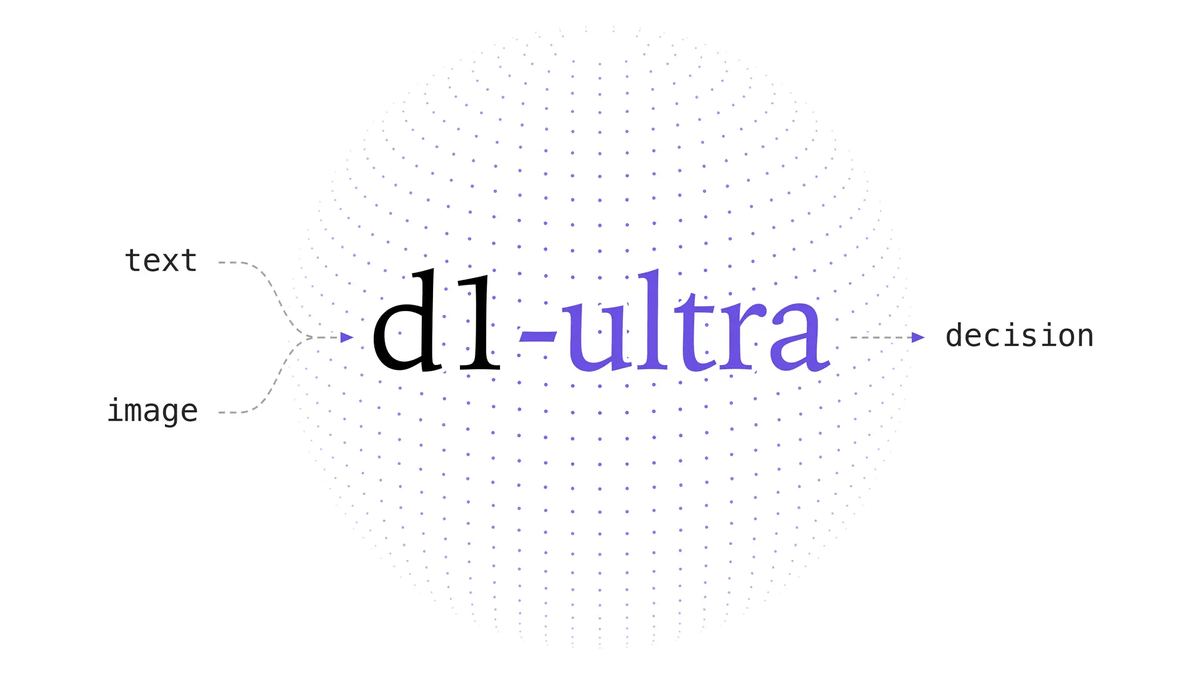
Liquid AI released d1-ultra on October 15, 2026, an upgraded open-weights decision model that averaged 76.7 ac…
TOPPAN Holdings and Keio University ran a quantum-computer and generative-AI proof-of-concept from February 1…