
What happened
TypeSafe AI released Jev 1.14.0 on October 14, 2026, adding image input, a new 'box' type, and per-request and per-question contexts up to 262k tokens, disabled by default.
Why it matters
The company says all models, including Jev, perform worse on multimodal data than on pure text, so it advises breaking questions into simple parts; its CEO calls the internal intelligence comparisons likely biased toward its own models.
WHO IT HITSDevelopers building on TypeSafe AI's API, particularly those who want vision or long-context features, must decide whether to opt into the 'danger zone' flags and weigh the acknowledged multimodal performance drop against production reliability.
Summaries like this, in your inbox every morning.
Jev has drawn attention as a 'decision model' designed on very different lines from large language models, and Jev 1.14.0 is its latest iteration. According to TypeSafe AI, Jev-1.13.0 was multimodal from the start, but the company disabled that capability because models tend to be less intelligent on modalities other than text. Image support in Jev 1.14.0 is configured through a retrieval-replacement function, and the company cautions that questions are best broken down into their simplest elements.
The release also reflects a longstanding tension TypeSafe AI says it has discussed for years: balancing reliability and creativity. The company argues that models shipped to product builders should meet internal quality standards and be stress-tested to the limits possible in-house, but that imposing an extreme reliability standard would not produce great products. It is therefore sharing new features under a 'danger zone' API header flag.
Alongside the model changes, TypeSafe AI added an opt-in feature letting the community help find inconsistencies using queries, which it says makes problems easier to spot and use cases easier to debug. Its developers remain skeptical of public benchmarks, and the company's own comparison of Jev 1.14.0 with previous models and other decision models comes with the CEO's warning that the numbers are likely biased toward its own models.
Pick your industry and the AI tools you use, and get news related to your work every day.
Free · 30 seconds with Google · unsubscribe anytimeWhat is AIToday? →
Ask AI anything about this article. The AI reads this article, earlier AIToday articles, and Wikipedia, and cites its sources. Q&As are published on this page for other readers too.
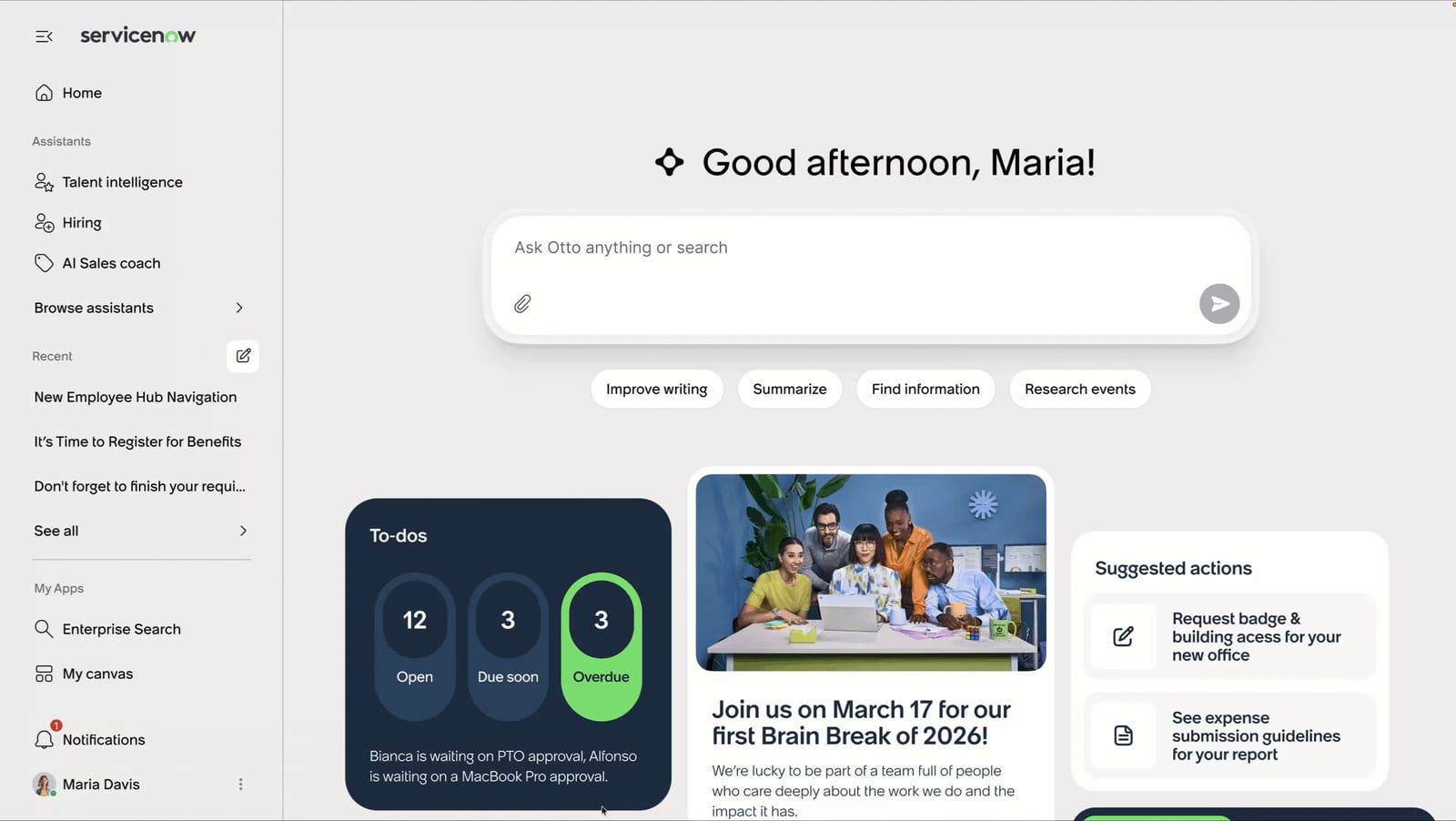
ServiceNow announced AI Passport, a cryptographically signed credential defining an agent's identity, permitte…
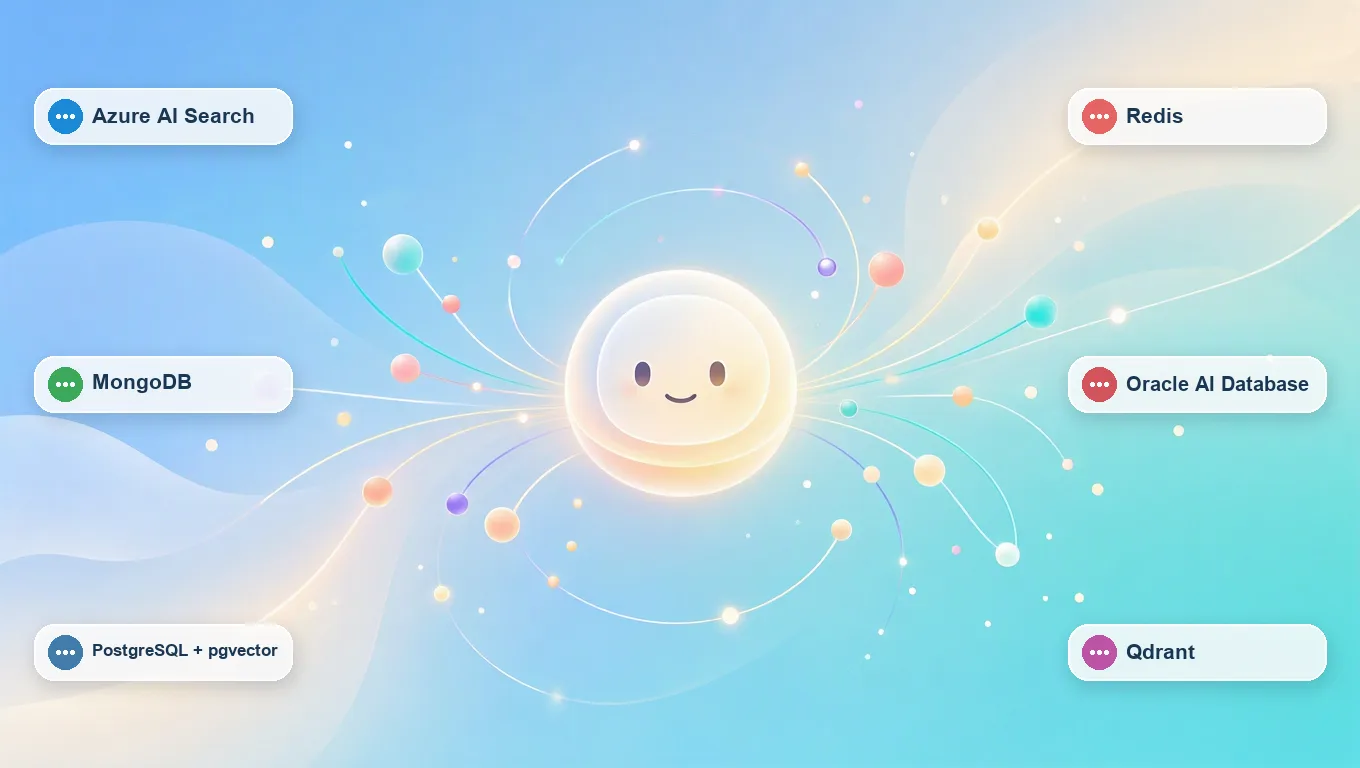
Microsoft Agent Framework has ported Semantic Kernel's Python vector-store work forward, keeping typed records…
An unofficial guide for people rolling out Claude Code across a team reports hands-on checks of managed settin…

nohe, an engineer at 株式会社ソニックムーブ, switched to Orca v1.4.224 about a month ago and found the move from a VS Cod…
After Anthropic's Claude Code desktop app update 2.37337.1, an AI-led search of X turned up user complaints ab…
A solo developer built Yurune, a web app that plays synthesized rain, wave and forest sounds and lets users ta…

