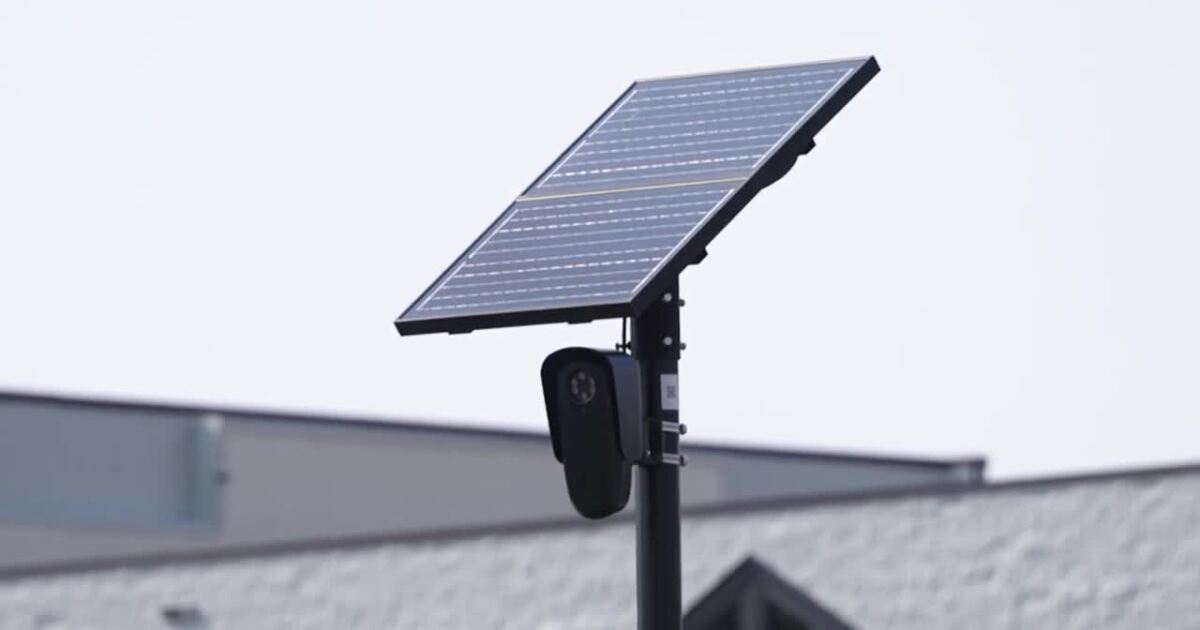
AI-enabled Flock Safety cameras are already scanning license plates at Great Falls retailers, creating what the company calls a "vehicle fingerprint" that includes make, model, color, and even dents. Montana State Senator Daniel Zolnikov is preparing legislation to require law enforcement to obtain a warrant before accessing this data, citing a gap in Montana's 2017 license plate reader law—which restricted government cameras on public roads but does not cover private surveillance systems. The move reflects growing national concern: the Los Angeles Police Department let its Flock contract expire in July 2026 over civil liberties and privacy worries.
Summaries like this, in your inbox every morning.
Sign up free →What happened
Flock Safety cameras are operating in Great Falls retailers like Home Depot, scanning license plates and vehicle details. Montana State Senator Daniel Zolnikov is drafting legislation to require law enforcement to obtain a warrant before accessing that data from private surveillance systems.
Why it matters
Montana's 2017 license plate reader law restricted government cameras on public roads, making the state a near-void in national databases. But Flock operates on private property—creating a legal gap. Zolnikov notes this shift: "it's not one government camera. It's 10,000 private cameras," requiring new protections to preserve Montana's strong privacy record.
What to watch
Zolnikov says he already has a first draft of the warrant-requirement bill and calls it a bipartisan issue. Montana's constitution explicitly guarantees the right to privacy, one of only a handful of states with that protection in its founding document.
Flock Safety cameras are already scanning license plates in Great Falls—including at the Home Depot parking lot—without most people's knowledge. The cameras capture not just license plates but also vehicle make, model, color, bumper stickers, and dents, creating what Flock calls a "vehicle fingerprint." According to the company, Flock operates in over 5,000 communities across 49 states and performs more than 20 billion vehicle scans every month. In 2025, Flock says it supported more than one million criminal investigations and helped locate more than 10,000 missing people. Home Depot stated that its cameras are used for detecting and preventing theft and protecting customer and associate safety, and that it does not grant access to federal law enforcement.
The technology raises significant privacy concerns. Flock does not use facial recognition and says that agencies own and control their own data, with every search requiring a documented reason and a permanent audit trail, and data automatically deleted after 30 days by default. However, Great Falls civil rights activist Jasmine Taylor argues the cameras represent "a tremendous privacy concern," noting that generative AI is not inherently objective and lacks the capability to analyze itself for bias or discrimination. These concerns echo across the country: in July 2026, the Los Angeles Police Department let its Flock contract expire citing serious concerns over civil liberties and privacy, and dozens of other cities have followed suit. In 2025, it was reported that Flock data had been queried for immigration enforcement in other states—a practice Flock later halted.
Montana has long been a privacy leader, largely due to Republican State Senator Daniel Zolnikov's work. In 2017, Zolnikov passed a landmark license plate reader bill that greatly restricts how the technology is used in the state, including how data is retained and who it can be shared with. "What that has resulted in is Montana is one of the, I think, two states with the least license plate readers in the country," Zolnikov said. The result is that Montana is essentially a void in the national license plate database, with only two or three cameras on public roads statewide. However, the 2017 law targeted government cameras on public roads. Flock cameras at retailers like Home Depot, Lowe's, and Albertsons operate on private property—creating a gap the current law does not cover. "Because now it's not one government camera. It's 10,000 private cameras," Zolnikov said. "So that's where there's a massive amount of surveillance going on. And we're working on updating the legislation to make sure that there are processes where, again, you just need a warrant to obtain that information from those stores." Zolnikov says he already has a first draft of a bill that would require law enforcement to obtain a warrant before accessing license plate data collected by private surveillance systems. He calls it a bipartisan issue and notes that Montana's constitution explicitly guarantees the right to privacy—a protection written directly into its founding document, something only a handful of states share.
Montana has long been a leader in privacy protection, largely because of Senator Zolnikov's 2017 license plate reader bill, which so tightly restricted government use of the technology that Montana became a near-void in the national license plate database. However, the rise of private surveillance cameras—particularly Flock's systems at retailers—has shifted the threat landscape. Flock operates in over 5,000 communities across 49 states and performs more than 20 billion vehicle scans every month, according to the company. While Flock states that data is automatically deleted after 30 days and that searches require a documented reason with a permanent audit trail, privacy advocates like Great Falls resident Jasmine Taylor raise concerns about the generative AI technology itself, noting that it is not inherently objective and lacks the capability to analyze itself for bias. These concerns are not isolated: the Los Angeles Police Department let its Flock contract expire in July 2026 citing civil liberties and privacy concerns, and dozens of other cities have followed suit. In 2025, it was reported that Flock data had been queried for immigration enforcement in other states—a practice Flock later halted. Zolnikov's forthcoming legislation addresses this gap by requiring law enforcement to obtain a warrant before accessing license plate data from private systems, reflecting Montana's constitutional guarantee of the right to privacy.
AI-summarized, only the topics you pick — one digest a day via Email, Slack, or Discord.
Free · takes 30 seconds · unsubscribe anytime
No comments yet. Be the first to share your thoughts!
Log in to join the discussion



Get curated AI news from 200+ sources delivered daily to your inbox. Free to use.
Get Started FreeFree · takes 30 seconds · unsubscribe anytime
