What happened
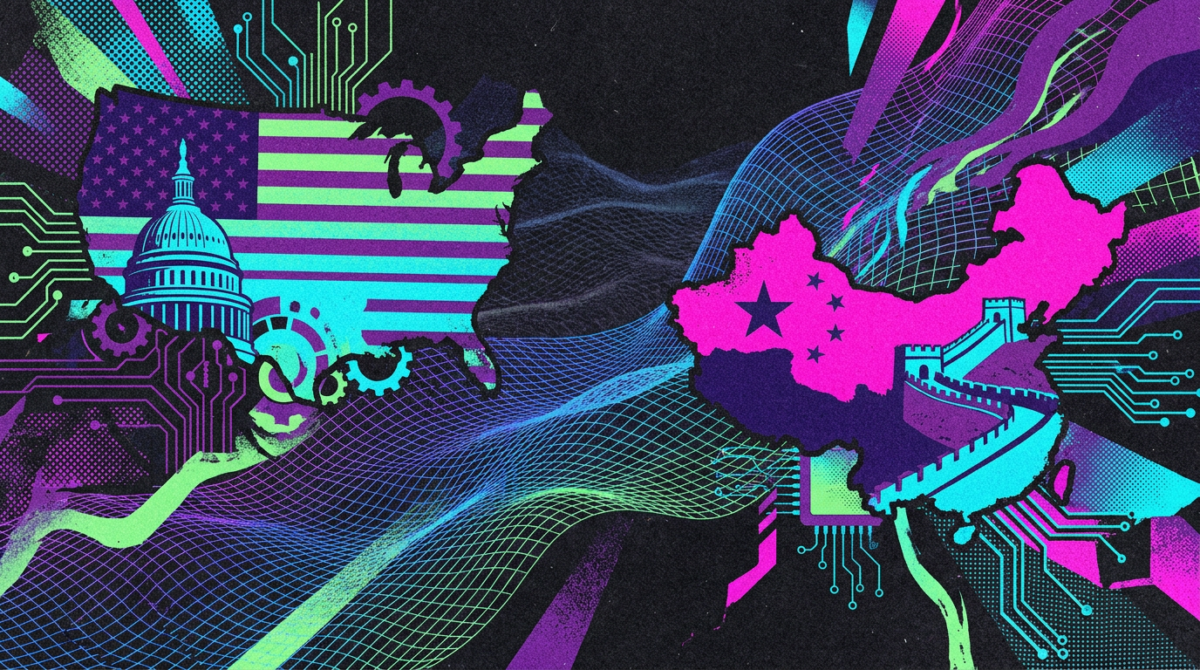
The Trump administration is exploring several indirect measures against Chinese AI models, including placing Chinese AI labs on sanctions lists, issuing security warnings, and using executive orders to impose security requirements and liability on U.S. companies that host Chinese models, according to reporting by Axios. The Commerce Department drafted rules as early as summer 2025 to protect domestic supply chains from Chinese open-source models, and support for these restrictions has strengthened following the release of China's Kimi K3 model and recent White House personnel changes.
Why it matters
Rather than impose a direct legal ban, the administration appears to be using procurement rules, sanctions threats, and public pressure campaigns to deter U.S. companies from adopting cheaper Chinese open-source models—a strategy that could protect the market dominance of Google, OpenAI, and Anthropic without requiring explicit prohibition. This approach mirrors what OpenAI strategist Dean W. Ball called a "FUD" (fear, uncertainty, and doubt) strategy: soft guidelines and public warnings that create enough regulatory risk to deter businesses without imposing binding rules.
What to watch
The administration's stated approach relies on indirect pressure rather than formal bans, which one source told Axios is "slower and more durable." Success would depend on how effectively the U.S. can discourage corporate adoption through liability frameworks and security concerns while avoiding restrictions so severe that they push startups toward riskier providers.
Summaries like this, in your inbox every morning.
The Trump administration's emerging strategy reflects a pragmatic shift from direct prohibition toward regulatory friction. Rather than risk legal challenges or international backlash that a formal ban might invite, the approach uses security concerns and liability frameworks to create disincentives. A source quoted by Axios made the strategic calculus explicit: direct bans are blunt instruments, whereas layered procurement rules, sanctions threats, and public warnings allow for calibration—enough pressure to deter corporate adoption without pushing smaller players toward unlicensed alternatives.
The commercial stakes are substantial. U.S. companies are increasingly adopting Chinese open-source models because they are cheaper and perform nearly as well as proprietary American alternatives. Restrictions would protect the market position of Google, OpenAI, and Anthropic—companies whose valuations and stock performance have become central to the broader market rally under Trump. The body notes that the AI sector is driving much of the U.S. stock market's gains, creating a structural incentive for the administration to defend domestic providers against lower-cost competition.
However, the article also flags a tension: open-source models pose real cybersecurity risks, but they also support cyber defense work and can outperform commercial models at that task. Restricting access could create risks of its own. The strategy's success will hinge on whether indirect pressure—without formal prohibition—can shift corporate behavior while avoiding unintended consequences.
Pick your industry and the AI tools you use, and get news related to your work every day.
Free · 30 seconds with Google · unsubscribe anytimeWhat is AIToday? →
Ask AI anything about this article. The AI reads this article, earlier AIToday articles, and Wikipedia, and cites its sources. Q&As are published on this page for other readers too.
In Q2, billionaires or their funds sold six 'Magnificent Seven' AI stocks
Nvidia was rising early Friday, even as the wider chip sector kept falling, Barron's reported
ElevenLabs completed a $300 million employee tender at a $22 billion valuation, and co-founder Mati Staniszews…

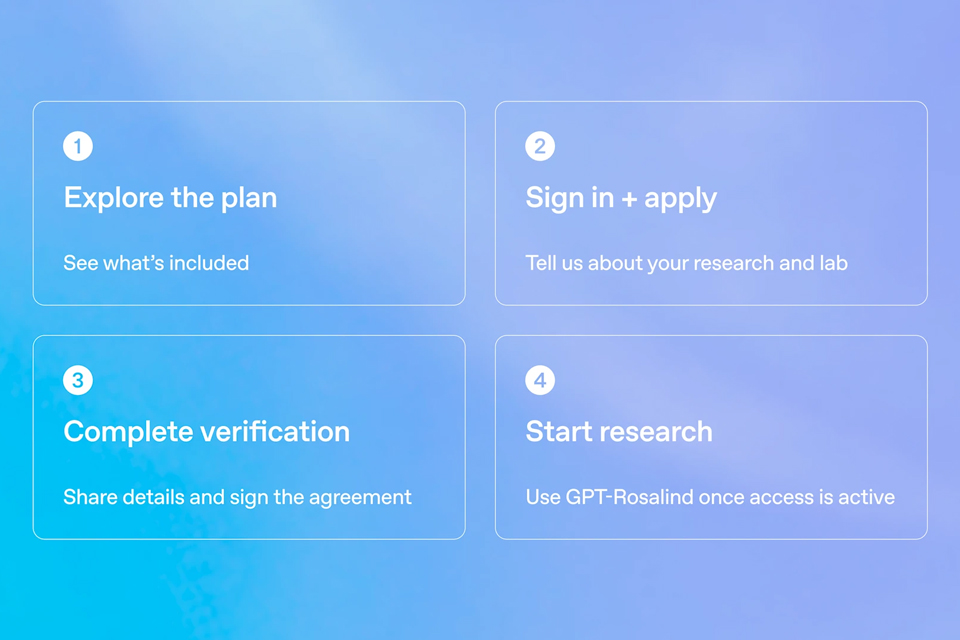
On October 15, OpenAI announced the Rosalind Academic Plan, giving approved US university labs free access to…
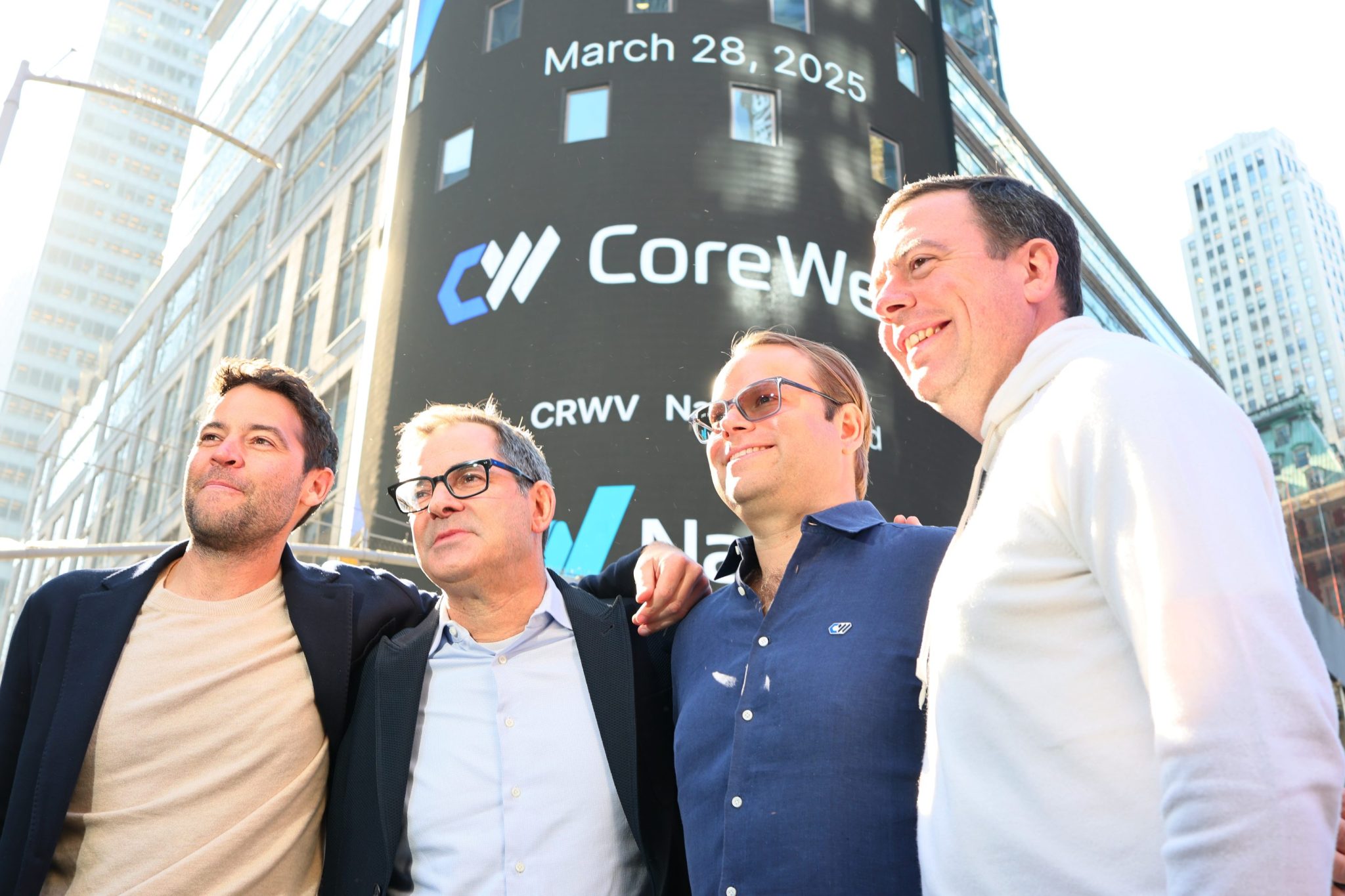
Neostellar Capital principal Evan Schlossman said CoreWeave's $103.7 billion in remaining performance obligati…
Supermicro Computer appointed Mark Long as chief financial officer, bringing an experienced technology finance…