What happened
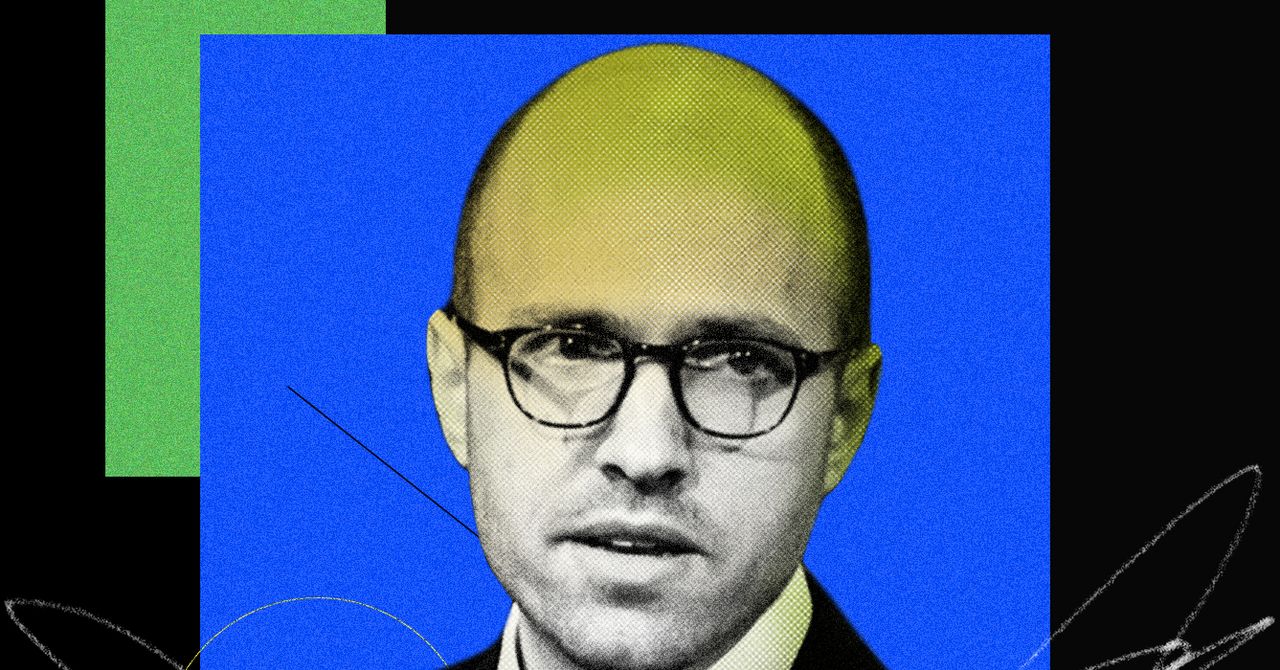
A.G. Sulzberger, publisher of The New York Times, discussed the paper's ongoing copyright lawsuit against OpenAI and Microsoft (filed nearly three years ago, alleging illegal use of Times journalism to train AI models) and the Trump administration's recent subpoenas targeting Times journalists reporting on a Qatar-gifted jet. The Times has surpassed 13 million subscribers and deployed reporters in over 150 countries last year, including more than 70 in Ukraine alone.
Why it matters
Sulzberger frames the Times' defense of journalism as a broader fight to preserve press freedom and public access to reliable information. He argues that news organizations risk losing their rights if they avoid challenging powerful figures, and warns that some competitors are choosing not to break stories out of fear of retaliation—a "chilling effect" that undermines journalism itself. The stakes extend to AI: journalism is "how AI knows what it knows," making the copyright battle and defense of reporting directly relevant to how AI systems develop.
What to watch
Sulzberger advocates a cautious approach to AI adoption in newsrooms, warning against news organizations that have handed article writing entirely to AI systems. He emphasizes that "humans are responsible for everything we produce, period" and views AI as a tool rather than an autonomous writer. The Times is reportedly experimenting quietly with AI rather than rushing to integrate it.
Summaries like this, in your inbox every morning.
Sulzberger's comments anchor the Times' legal and editorial strategy in a classical defense of press freedom rooted in the Founding Fathers' vision that "a free people need a free press." However, the publisher is navigating an unusually crowded battlefield. The Trump administration's targeting of journalists—described by Sulzberger as "the biggest effort to go after the press" from the White House in over a century—is occurring simultaneously with the copyright dispute with AI companies. Both threats share a common thread: they challenge the Times' ability to control and monetize its reporting.
Sulzberger's observation that some competitors are now waiting for the Times to break sensitive stories before following suit reveals a wider fragility in the news industry's collective willingness to challenge power. This dynamic directly strengthens the Times' competitive position—by refusing to capitulate, it becomes the news organization of record for certain coverage—but it also places the paper on the frontlines of defending journalism itself. The publisher's insistence that institutions lose their rights "if you avert your eyes, drop your head, and try to avoid notice" is partly exhortation to peers, partly a statement of the Times' own editorial philosophy.
The AI question complicates this narrative. Sulzberger's view that "journalism is how AI knows what it knows" reframes the copyright lawsuit not as a purely commercial dispute but as a fight over whose work trains the next generation of information systems. At the same time, his caution about AI adoption inside the newsroom—rejecting wholesale automation of article production—signals that the Times sees human editorial judgment as integral to its value proposition, especially at a moment when trust in AI-generated content is fragile.
Pick your industry and the AI tools you use, and get news related to your work every day.
Free · 30 seconds with Google · unsubscribe anytimeWhat is AIToday? →
Ask AI anything about this article. The AI reads this article, earlier AIToday articles, and Wikipedia, and cites its sources. Q&As are published on this page for other readers too.
The Motley Fool argues Amazon is the AI company of the two, since AWS was just 21% of first-half 2026 revenue…

Hewlett Packard Enterprise stock is down 5% at $55.87

Cammarata reinterprets InceptionV1's cat-car neuron as a V-shape detector, not two unrelated concepts

Google Deepmind's Gemini 4 Argon scored 97.5 percent on ARC-AGI-3 at a cost of $4,800, second only to GPT-6 As…
Microsoft's Surface Laptop Ultra, using Nvidia's RTX Spark platform, starts at $2,599 (up to $5,899)

Meta's new commercial terms, effective October 30th, appear to let it crawl and train AI on content from websi…