
Nodes is a minimalist macOS markdown editor that launched in August 2026 with all AI and search features running on the user's device rather than in the cloud.
The app comes in three paid tiers (free demo, $12.99, and $17.99) and stores notes as plain markdown files on the user's disk, ensuring privacy and portability.
Semantic search—finding notes by meaning rather than exact words—works entirely on-device as the AI model indexes the user's library.
What happened
Nodes, a native macOS markdown editor that runs AI entirely on the user's machine, launched in August 2026. The app offers three tiers: a free Demo plan (16 nodes and 4 tags), Alexandria at $12.99 (library features, import/export, graph settings), and Rosetta at $17.99 (full functionality plus an agent). All search—both full-text and semantic—runs locally; nothing is sent to external servers.
Why it matters
The app addresses privacy concerns by storing all notes as plain markdown files on the user's disk and performing all AI operations on-device rather than in the cloud. For writers and thinkers who want to avoid data harvesting, this approach means their thoughts remain private and the library remains portable even if they stop using the app. The on-device model indexes the library as the user works, so semantic search (finding notes by meaning rather than exact words) becomes more useful over time without server dependency.
What to watch
Early supporters from before the launch will receive permanent free access. Notes are standard markdown files, so users can copy them out manually or use Alexandria's daily snapshot feature (included in the Alexandria and Rosetta tiers) to restore from backups if needed.
Ask the AI about this article →
Nodes positions itself against the trend of cloud-dependent productivity tools by betting that users value privacy and data ownership over seamless synchronization across devices. The decision to store notes as plain markdown and run all AI locally reflects a deliberate design philosophy: the app should outlive its own adoption, and the user should always be able to walk away with their data intact. This approach eliminates cloud infrastructure costs but also means features like semantic search depend on the computational capacity of the user's Mac and the depth of the library the model has already indexed. The three-tier pricing structure suggests a clear segmentation: the free tier lets users test the editor's core writing experience, Alexandria targets those who want portability and backup (the library features and daily snapshots), and Rosetta appeals to users who want the full on-device AI capabilities including the agent. The promise of lifetime free access for early supporters is a common bootstrap strategy but also a genuine commitment to the community that shaped the product before launch.
For example, today's edition would include:
AI-summarized, only the topics you pick — one digest a day via Email, Slack, or Discord.
Free · takes 30 seconds · unsubscribe anytimeWhat is AIToday? →
Ask AI anything about this article. Q&As are published on this page for other readers too.
CBTS Technology Solutions LLC launched Forge Agents, a platform that turns a plain-language job description in…

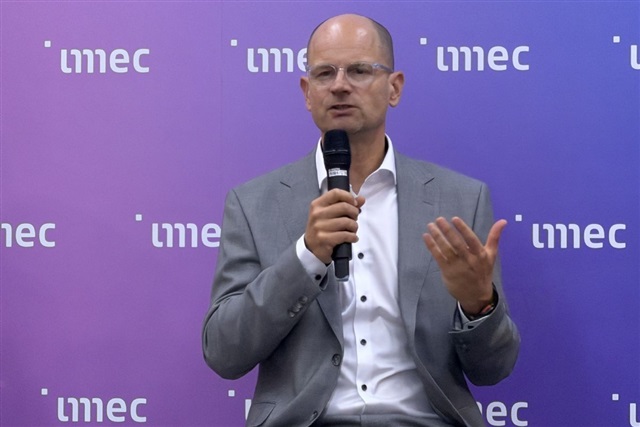
Imec CEO Patrick Vandenameele said at SEMICON Taiwan 2026 that the Belgian research center is broadening its c…
Alphabet's AI Overviews now reach over 2.5 billion monthly users through Google Search, and its ad business ge…
Amazon Web Services (AWS) has integrated its fully managed data warehouse service, Amazon Redshift, with Agent…
Visual Studio Code 1.135 now includes an experimental 'Rubber Duck' feature that lets developers request a sec…
Sonos announced a new app update with generative AI features, a new soundbar called the Beam Ultra, and its se…