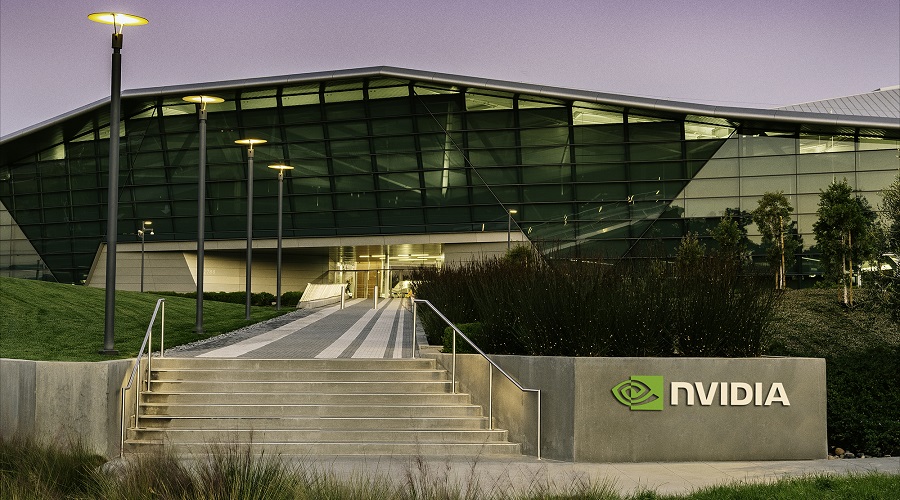
What happened
Nvidia Corp. has agreed to buy Hugging Face Inc. for just over $12.93 billion. The deal was first reported last Monday after talks began a few weeks ago.
Why it matters
Hugging Face runs a GitHub-like platform where researchers share open-source AI models and training datasets, hosting over 500,000 datasets and four times as many models. Nvidia gains visibility into which models and datasets customers use, giving it data-driven foresight into what next-generation chip architectures to build, according to Forrester analyst Naveen Chhabra.
What to watch
Nvidia's CEO Jensen Huang said Hugging Face will keep supporting AI projects across multiple chips and clouds, and Nvidia won't require users to deploy workloads on its silicon. The acquisition is Nvidia's second largest startup deal after its $20 billion licensing agreement with Grok Inc. last year.
Summaries like this, in your inbox every morning.
Nvidia's acquisition of Hugging Face signals a strategic push beyond hardware into the software layer that developers use to build and share AI models. Hugging Face's platform is a central hub for open-source AI, hosting more than 500,000 datasets and four times as many models. By owning this hub, Nvidia gains a direct view into which models are trending and what developers are downloading, before those trends become widely known. Analyst Naveen Chhabra described this as data-driven foresight, helping Nvidia decide what next-generation chip architectures to build based on actual developer habits.
Interestingly, some of the acquisition money will go to Nvidia's competitors. AMD, Intel and Qualcomm backed Hugging Face's last funding round, and Salesforce also held a stake after reportedly trying to buy the company earlier. This means Nvidia is effectively paying some rivals as part of the deal. Still, Nvidia's CEO has said the platform will remain open and will not require users to run workloads on Nvidia silicon, suggesting the value lies more in visibility and ecosystem position than in locking customers in.
The deal is Nvidia's second largest startup transaction after last year's $20 billion licensing agreement with Grok Inc., which brought an inference-optimized chip architecture and talent, leading to the Groq 3 LPU processor. Hugging Face also has ventures beyond its core platform, such as a robotic duck it introduced last week, but its main revenue comes from cloud services for AI development teams, including private hosting and managed inference infrastructure.
Pick your industry and the AI tools you use, and get news related to your work every day.
Free · 30 seconds with Google · unsubscribe anytimeWhat is AIToday? →
Ask AI anything about this article. The AI reads this article, earlier AIToday articles, and Wikipedia, and cites its sources. Q&As are published on this page for other readers too.
ASI Inc., formerly Air Space Intelligence, raised a $325 million Series C led by Spark Capital, valuing it at…

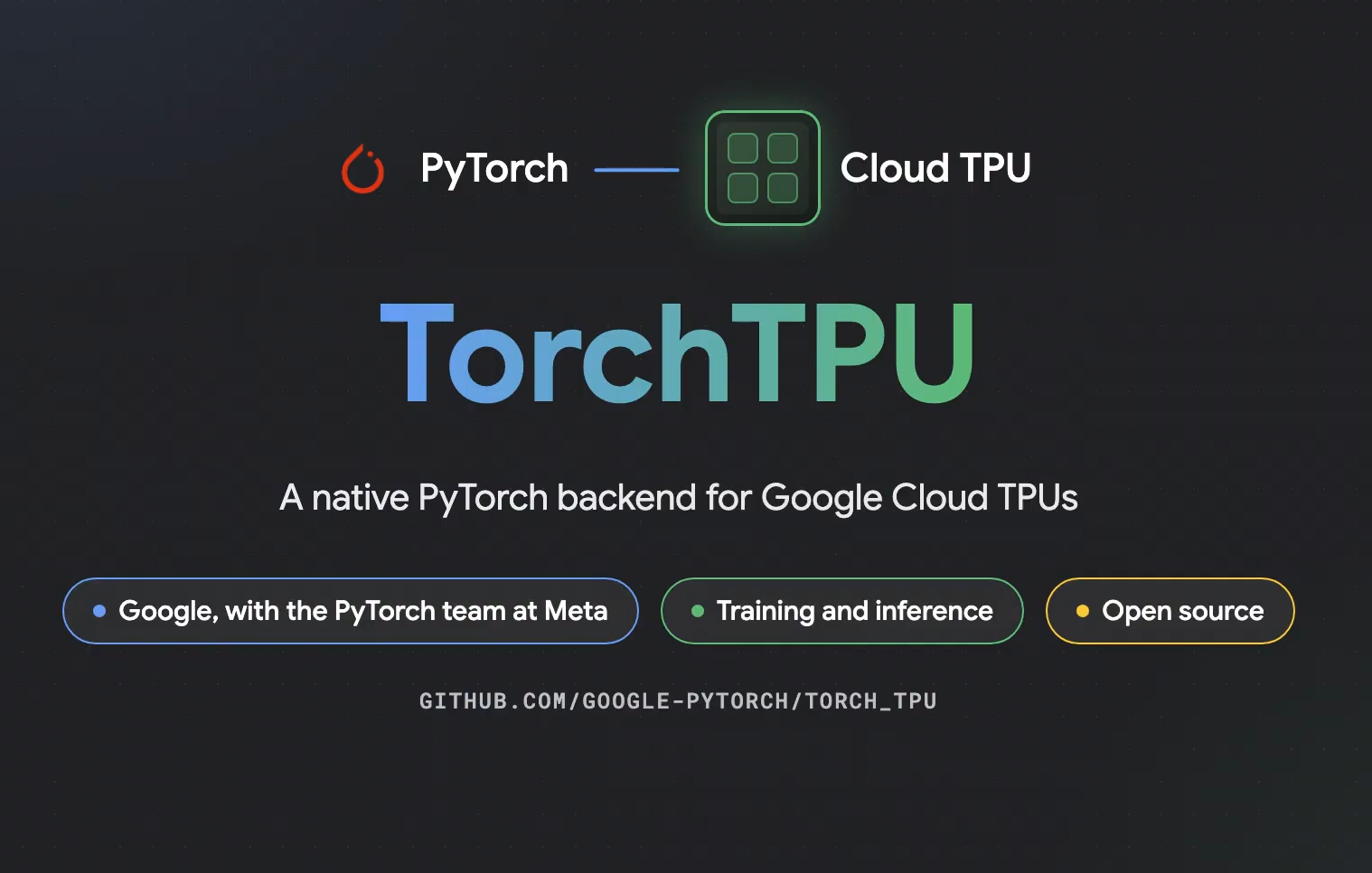
Google released TorchTPU, a version of the PyTorch framework that lets developers run existing AI apps and mod…
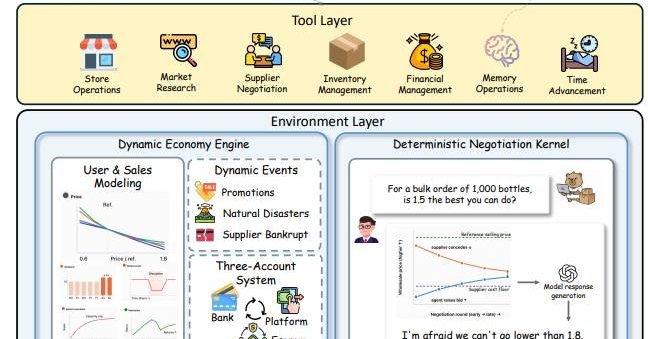
In a benchmark called E-Commerce Bench, 18 AI models ran up to four simulated shops for 365 days, using 18 too…
ITmedia's AI Plus released a 14-page booklet on using Gemini Notebook's (formerly NotebookLM) Studio feature…
Axon stock is down 54% from its 2025 peak and 30% year-to-date, even as the iShares Expanded Tech-Software Sec…
IBM Research's ALTK-Evolve turns each customer-service agent trial into short action rules and injects them in…