
Back-to-school spending is flat, but AI changes who spends more.
Parents using AI plan to spend $737 per child.
That is $206 more than those using social media and search alone.
What happened
Parents using social media, search and AI plan to spend $737 per child, nearly double the $381 planned by parents using no technology. Adding AI to the shopping toolkit translates to a $206 jump in spend compared with social media and search alone.
Why it matters
Inflation remains a top concern, and 46% of parents plan to use AI to compare prices and find deals before purchasing. The result is a new 'hyper value-seeker' consumer, prompting brands like JCPenney to emphasize price guarantees and American Eagle and Target to diversify influencers.
What to watch
Whether brands can measure success on platforms like ChatGPT and Gemini, as IAB guidelines found little standardization among over 20 AI vendors. College spending is set to increase this year, making students a key demographic.
Ask the AI about this article →
Summaries like this, in your inbox every morning.
The 2026 back-to-school season is unfolding against persistent inflation, which remains a top concern for parents. Yet overall spending is flat year-over-year, with the average parent expected to spend $557 per child. The notable shift is how technology, particularly AI, is changing purchasing behavior. Deloitte's 19th annual survey found a clear correlation: parents using social media, search and AI plan to spend $737, nearly double the $381 for those using no technology. The addition of AI alone accounts for a $206 jump, suggesting that digital tools are not just conveniences but drivers of higher expenditure.
This has given rise to what Epsilon calls the 'hyper value-seeker' consumer. Marketers are adapting with price guarantees and diversified influencer strategies, as seen with JCPenney, American Eagle and Target. The data also points to college students as a growing demographic, with NRF projecting increased college spending. Urban Outfitters aired its first connected TV commercial in August to tap into campus life.
The bigger question is whether brands can effectively measure their presence on AI platforms. With little standardization among AI vendors' methodologies, as noted by the IAB, the challenge is real. Success may hinge on how well marketers can navigate this ambiguity and connect with a generation raised on AI and short-form video. As Gen Alpha becomes the first AI-native generation, their influence, and that of their parents, will likely shape brand preferences for years to come.
For example, today's edition would include:
AI-summarized, only the topics you pick — one digest a day via Email, Slack, or Discord.
Free · 30 seconds with Google · unsubscribe anytimeWhat is AIToday? →
Ask AI anything about this article. Q&As are published on this page for other readers too.
In January, Ukraine's defense ministry said it would share millions of data points from tens of thousands of d…

OpenAI Group PBC acknowledged it did not publicly disclose an episode where its AI agents wrote to outside web…

Eaton is expanding beyond traditional power management into modular power deployment, next-generation DC conve…

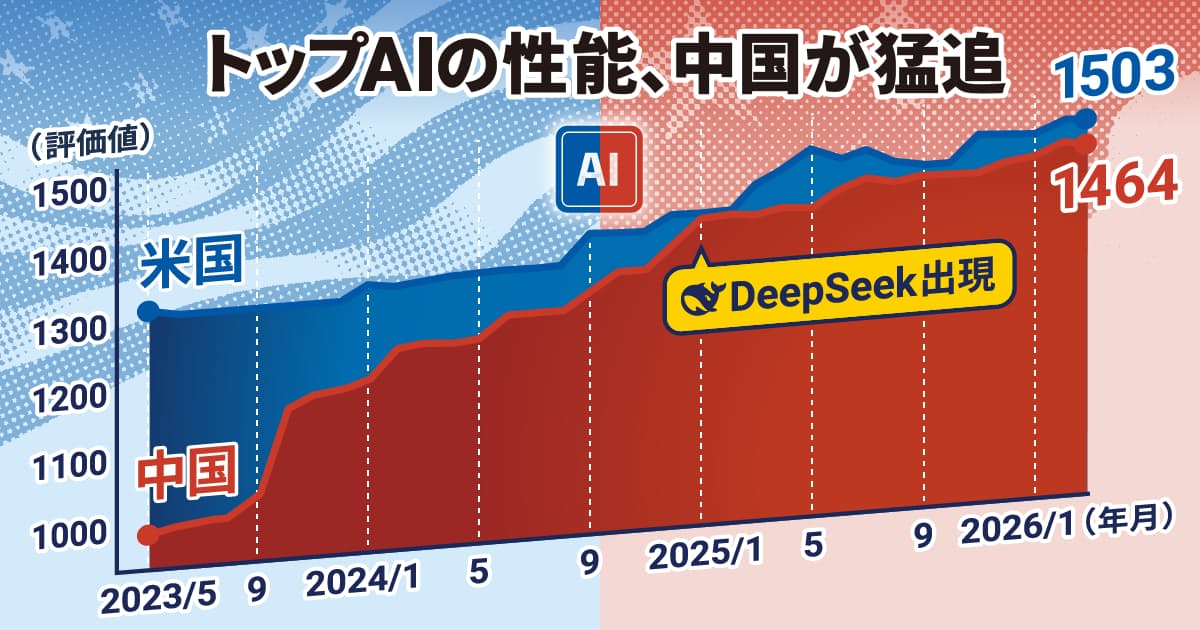
Stanford University reports that the performance gap between top US and Chinese AI models has narrowed sharply…
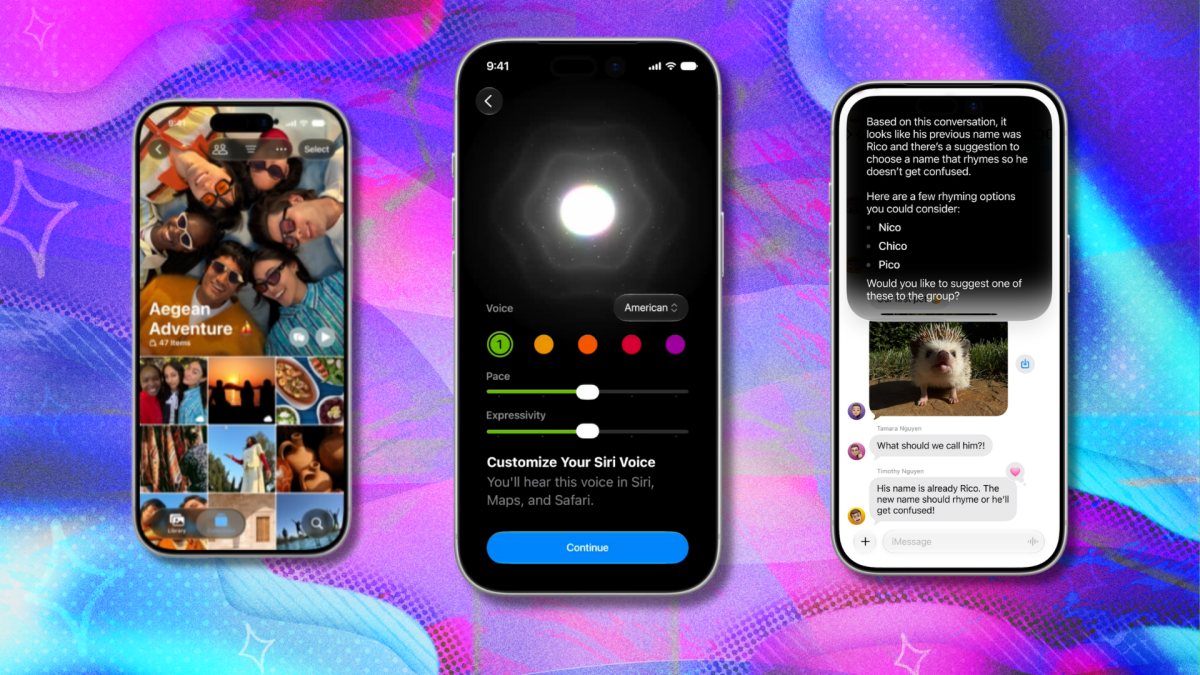
Apple is set to release iOS 27 around mid-September, likely on Sept
A new lawsuit alleges Meta turned footage captured through its AI-powered Meta Glasses into training data for…