What happened
Astellas Pharma has adopted NVIDIA's Boltz-2 NIM, an AI-powered platform that predicts biomolecular structures and binding affinity, to democratize and accelerate its drug discovery workflows.
Why it matters
In a membrane-protein-targeted project, AI prioritization cut the number of compounds needing experimental evaluation to just 10, reducing assay count by over 90% and shortening the timeline to hit identification by over 70%. All 10 selected compounds showed the desired efficacy, validating the approach.
What to watch
The tool is already in company-wide use, with over 50 regular users and over 2,000 cumulative uses as of end of February 2026. Astellas plans to expand NIM deployment on Tokyo-1 with additional models like DiffDock, GenMol, and MolMIM for further democratization.
Summaries like this, in your inbox every morning.
Astellas Pharma had identified a bottleneck in drug discovery: computational chemists had to evaluate large numbers of compounds, slowing down the process. To address this, they integrated Boltz-2 NIM, an AI model that predicts both protein structure and compound binding affinity, into their workflow. The tool, optimized for NVIDIA GPUs, allowed medicinal chemists to run simple simulations themselves, reducing reliance on computational chemists for routine tasks. The company also developed a browser-based frontend and an application that converts structural formulas into SMILE notation, enhancing usability. Results were dramatic: in one project, the number of compounds for assay was cut to 10, reducing assay count by over 90% and time by over 70%, with all 10 hits confirmed. As of February 2026, the application had over 50 regular users and over 2,000 cumulative uses. Astellas plans to expand NIM deployment with additional models for other modalities, aiming to further democratize AI-driven drug discovery.
Pick your industry and the AI tools you use, and get news related to your work every day.
Free · 30 seconds with Google · unsubscribe anytimeWhat is AIToday? →
Ask AI anything about this article. The AI reads this article, earlier AIToday articles, and Wikipedia, and cites its sources. Q&As are published on this page for other readers too.
In Q2, billionaires or their funds sold six 'Magnificent Seven' AI stocks
Nvidia was rising early Friday, even as the wider chip sector kept falling, Barron's reported
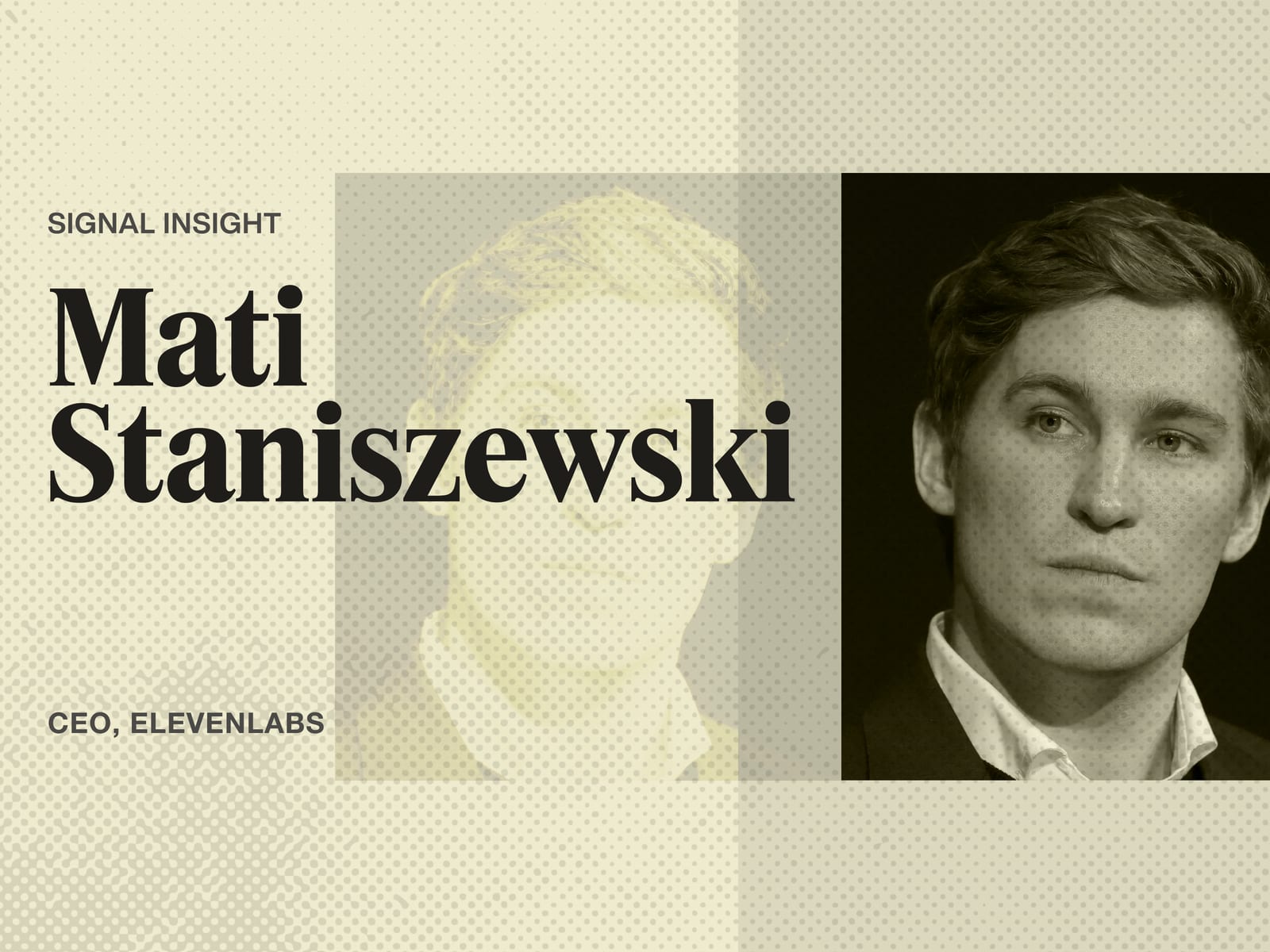
ElevenLabs completed a $300 million employee tender at a $22 billion valuation, and co-founder Mati Staniszews…
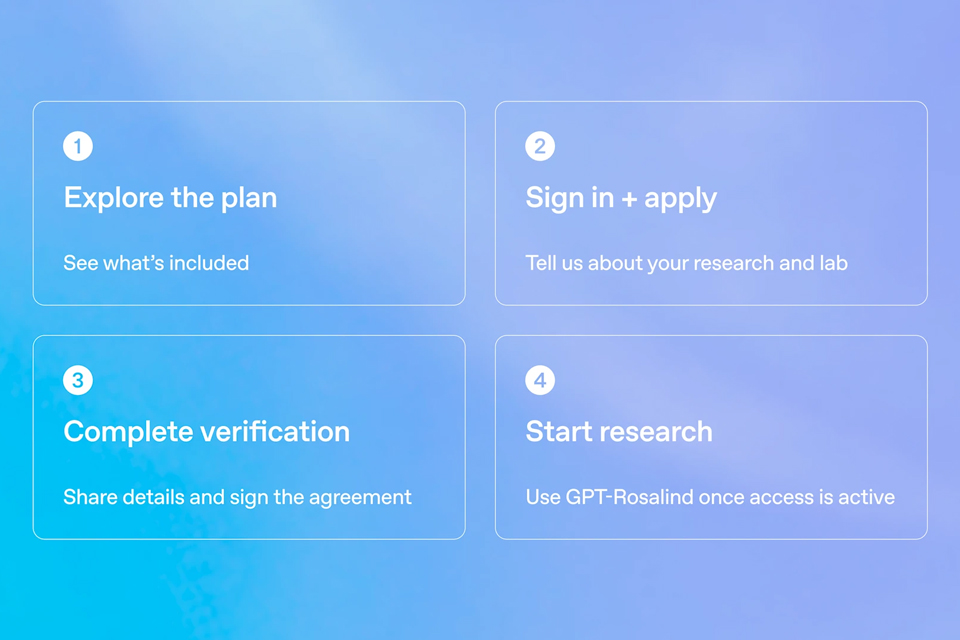
On October 15, OpenAI announced the Rosalind Academic Plan, giving approved US university labs free access to…
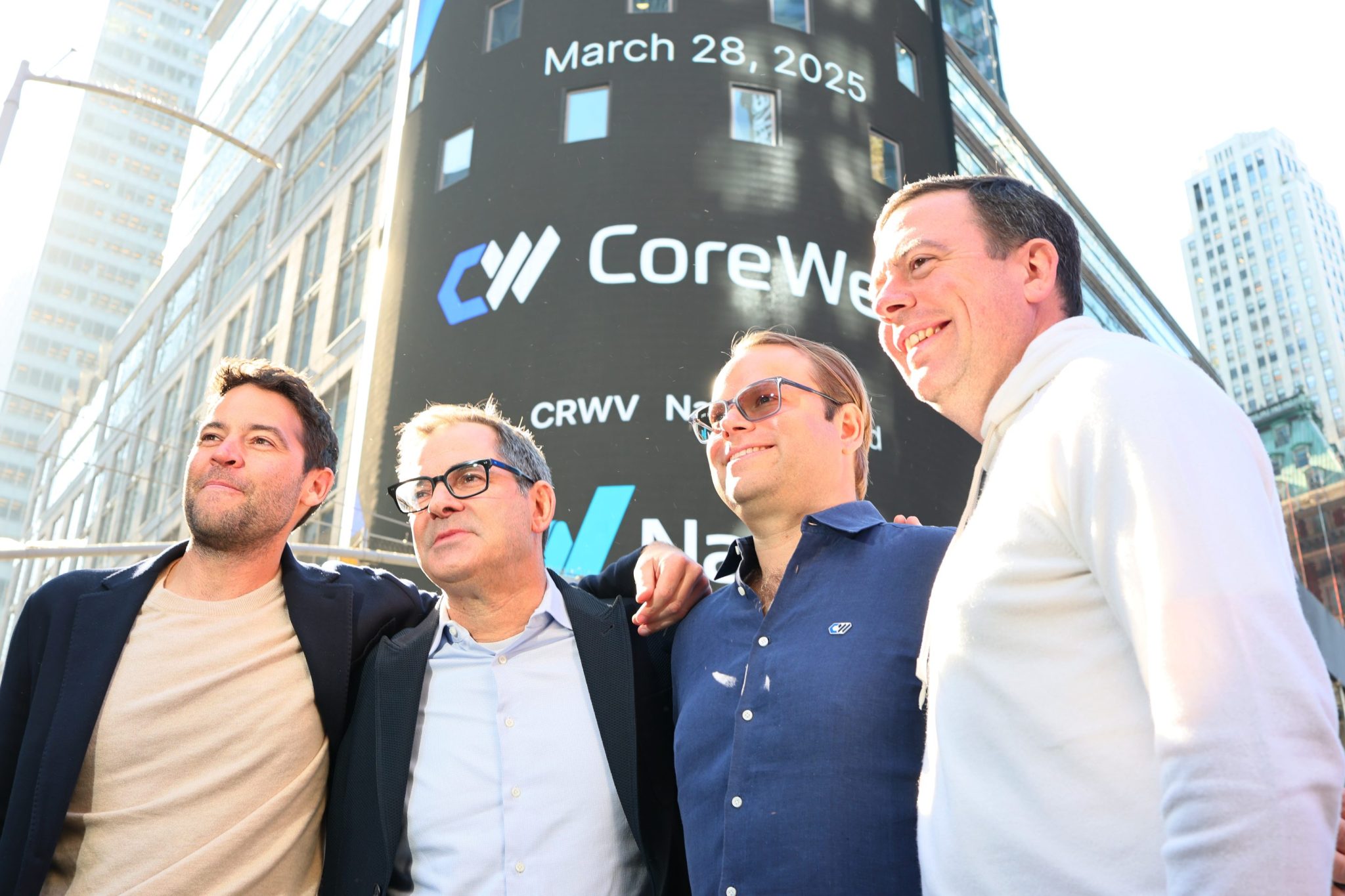
Neostellar Capital principal Evan Schlossman said CoreWeave's $103.7 billion in remaining performance obligati…
Supermicro Computer appointed Mark Long as chief financial officer, bringing an experienced technology finance…