What happened
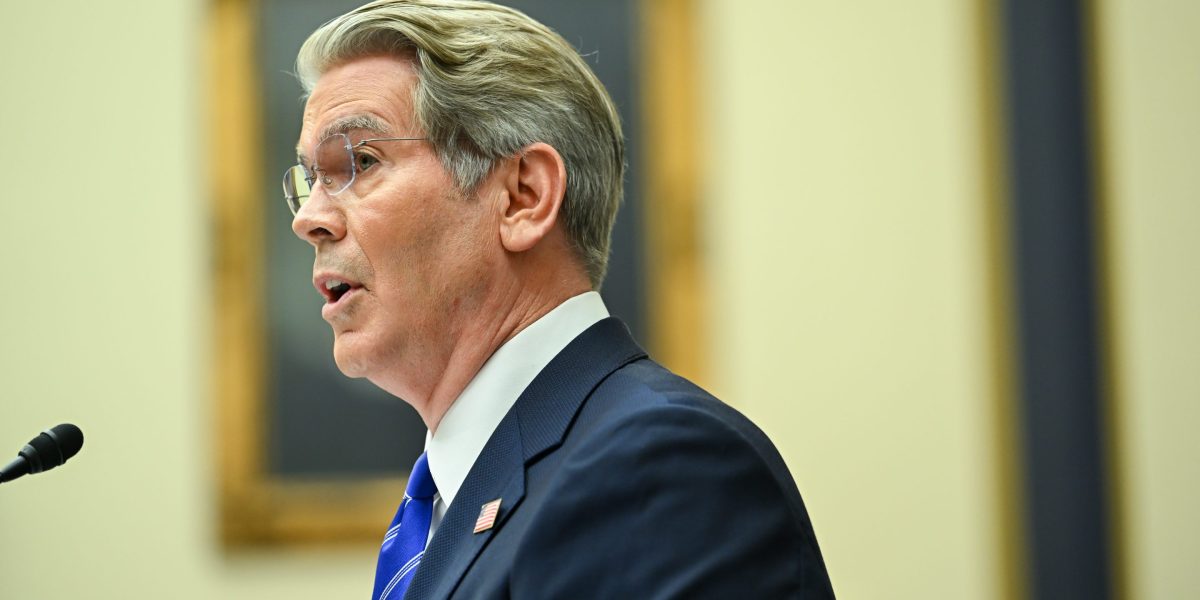
A federal judge signed off on Anthropic's $1.5 billion(約2400億円) class action settlement with authors who sued the company for training its AI models on copyrighted books. Authors will receive approximately $3,000 for each book allegedly pirated by Anthropic.
Why it matters
The settlement represents what the plaintiffs' law firm calls the "largest known copyright recovery in history." More than 91% of authors and publishers covered by the settlement have already claimed their share of the payment, according to Anthropic general counsel Aparna Sridhar.
What to watch
Anthropic is still facing separate copyright lawsuits from Chicken Soup for the Soul and several other authors who contend that $3,000 per book is insufficient compensation.
Summaries like this, in your inbox every morning.
The approval marks a major milestone in a copyright dispute that began in 2024 when authors Andrea Bartz, Charles Graeber, and Kirk Wallace Johnson filed suit against Anthropic over the company's use of copyrighted books to train its AI models. The case has already seen mixed early outcomes: while retired Judge William Alsup granted Anthropic a partial victory in an earlier ruling, he subsequently approved a separate class action lawsuit alleging that the company engaged in "Napster-style downloading of millions of works." Anthropic's September 2025 agreement to the $1.5 billion(約2400億円) settlement represented a significant shift, and the settlement's characterization by the plaintiffs' legal team as the "largest known copyright recovery in history" underscores the scale of the dispute.
The fact that over 91% of eligible authors and publishers have already claimed their payments suggests broad acceptance of the settlement terms, yet the presence of ongoing lawsuits from Chicken Soup for the Soul and other authors signals that not all rights holders view $3,000 per book as adequate. These remaining disputes may shape how the publishing and AI industries approach copyright going forward.
For example, today's edition would include:
AI-summarized, only the topics you pick — one digest a day via Email, LINE, or Slack.
Free · 30 seconds with Google · unsubscribe anytimeWhat is AIToday? →
Ask AI anything about this article. Q&As are published on this page for other readers too.
DeepSeek CEO Liang Wenfeng told investors the startup aims to rely on Huawei chips to train its models
Microsoft opened a cloud region in Hyderabad, turning part of its US$20.5 billion India commitment into operat…

Arm estimates agentic AI could raise data-center CPU demand from roughly 30 million cores to about 120 million…

Shopify is partnering with Meta so Muse, Meta's AI shopping agent, can complete purchases at Shopify merchants…

Anthropic launched Claude Opus 5.5, saying it matches Claude Fable 5.1 on most tasks while costing about 40 pe…

Treasury Secretary Scott Bessent told CNBC the government will not absolve AI labs of responsibility, saying t…