What happened
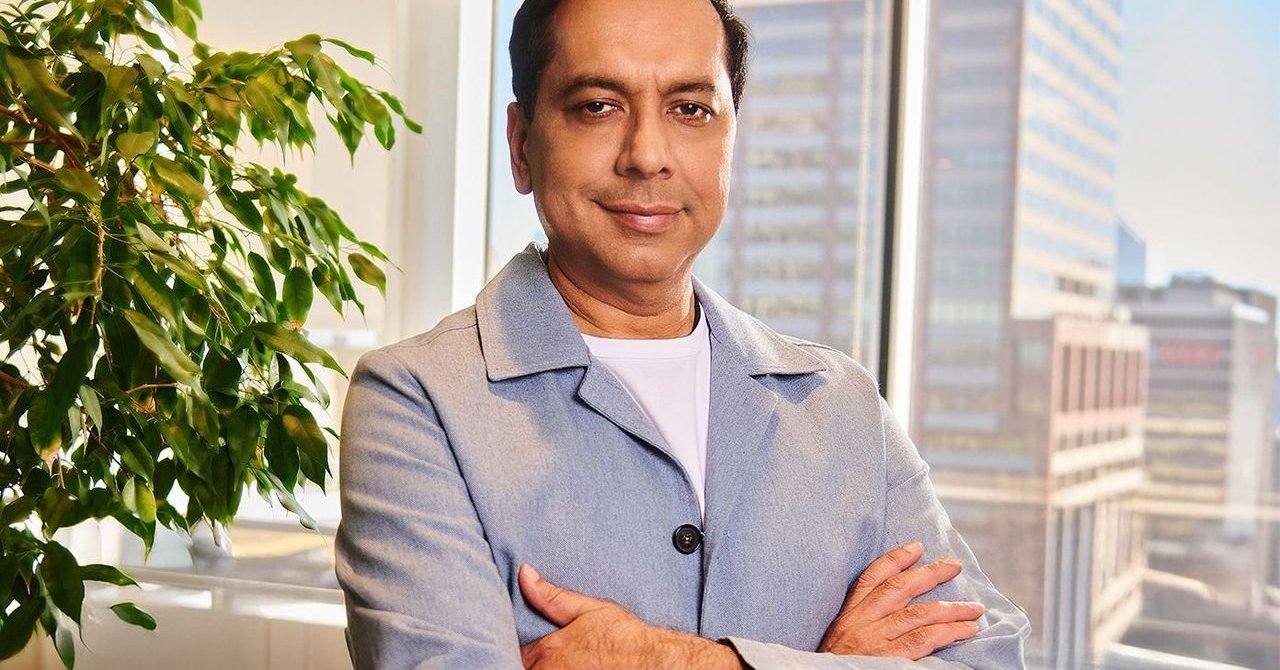
Meta said on September 28 it will offer its AI models and agents to companies and developers, starting with Muse, Meta Business Agent, Muse API and Muse Code. Chiranjit "CJ" Desai left MongoDB's CEO role the same day to lead it.
Why it matters
Zuckerberg framed the unit as "the next major pillar of our business," and Desai reports directly to him, suggesting Meta sees selling AI to companies as a way to grow beyond its consumer services.
What to watch
Pricing, regions, launch timing and Japan availability were not disclosed, and Muse Confidential VM — which would stop Meta itself from accessing data in the VM — is planned within the year.
WHO IT HITSEnterprise IT and security teams weighing AI vendors will care whether Muse Confidential VM ships as planned, since today's setup still lets Meta access VM data when needed for operations.
Summaries like this, in your inbox every morning.
Meta's move packages technology it already runs for consumers into something it can sell. Zuckerberg said superintelligence will bring big new opportunities to everyone and to businesses, and noted Meta already serves billions of people and helps hundreds of millions of businesses reach customers. The enterprise platform is meant to let those businesses grow and transform using AI.
The launch leans on an existing stack: the personal agent Muse, the customer-service agent Meta Business Agent, the Muse API, and the coding agent Muse Code. Desai's job is to turn that stack into products and services companies can put to work in their own businesses. To run it, Meta brought in someone with enterprise pedigree — Desai led MongoDB, a New York-listed company whose main product is a document-oriented NoSQL database — and made him Chief Enterprise Platform Officer, reporting directly to Zuckerberg, who described him as an experienced enterprise leader with broad industry connections.
The open questions sit on the commercial and trust side. Pricing, regions, launch timing and Japan availability were not disclosed. On privacy, Muse runs in a dedicated VM per user, credentials for connected services are stored inside the VM out of the agent's sight, a separate agent called Sentinel approves outside actions and network traffic, and conversation and VM data are not shared with ad systems. Conversations are still used to train models after removing key personally identifying information, though users can opt out. Meta says current arrangements do not prevent its own access when needed for operations, and it plans Muse Confidential VM within the year. Whether enterprises buy in may hinge on that shipping as promised.
For example, today's edition would include:
AI-summarized, only the topics you pick: one digest a day via Email, LINE, or Slack.
Free · 30 seconds with Google · unsubscribe anytimeWhat is AIToday? →
Ask AI anything about this article. The AI reads this article, earlier AIToday articles, and Wikipedia, and cites its sources. Q&As are published on this page for other readers too.
Omdia principal analyst Todd Thiemann surveyed 400 security leaders; the top inhibitor to AI agent identity se…
Okta launched a multivendor reference architecture, the Blueprint Alliance, for agent runtime security
At the September 28 opening of VSMC's 12-inch (300mm) wafer fab in Tampines, Singapore, Vanguard and VSMC chai…

Bain & Co.'s annual global technology report said the AI industry must reach $6 trillion in annual revenue by…

Chipmaker AMD agreed to acquire World Labs, the AI startup founded by industry pioneer Fei-Fei Li, for $8.2 bi…
Anthropic's Thariq Shihipar said on the Latent Space podcast that agent security may become one of the definin…