What happened
Bain & Co.'s annual global technology report said the AI industry must reach $6 trillion in annual revenue by 2031, and that $4.2 trillion of that has yet to be created.
Why it matters
Data centers are being built ahead of demand, so the gap is expected to hinge on nascent segments like autonomous machines, robotics, drug discovery, mental health and energy generation.
What to watch
Bain's lead author David Crawford said funding this sustainably would require adding roughly 1% to annual global GDP growth — a demand test the industry has yet to meet.
WHO IT HITSThis lands hardest on the data-center investors and cloud planners at Microsoft, Google, Amazon, Meta and Oracle, who must justify trillions in capital spending against revenue that Bain says does not yet exist. Operators in energy, water and transformer supply chains also face strain as capacity grows.
Summaries like this, in your inbox every morning.
Bain's report arrives as the companies leading the AI buildout — Microsoft, Alphabet's Google, Amazon.com, Meta Platforms and Oracle — are investing trillions of dollars in data centers. Data center sizes and costs are doubling roughly every 12 to 16 months, driven in part by surging prices of chips from Nvidia and SK Hynix, networking equipment and other components. That spending has outpaced the revenue AI services currently generate, which is why Bain frames its annual global technology report around a funding gap rather than a demand forecast.
The report also ties the buildout to physical constraints. Data center developers already face shortages in transformers, water and power supplies, along with fierce local opposition that blocked or delayed $68 billion worth of projects in the June quarter in the United States. Bain's projection of $5 trillion to $6.5 trillion in data-center spending by 2030, adding at least 150 gigawatts of capacity, suggests those strains are likely to intensify.
What the outcome ultimately hinges on is whether new revenue materializes from the nascent segments Bain identifies — autonomous machines, robotics, drug discovery, mental health and energy generation — rather than from today's productivity-focused AI services. That is a bet on innovation Bain's lead author, David Crawford, describes as needing to dwarf what mobile and cloud unlocked, and the report's call for roughly 1% added to annual global GDP growth signals how large that gap appears to be. For the companies and investors funding the buildout, the test is whether the demand curve catches up before the capital runs dry.
For example, today's edition would include:
AI-summarized, only the topics you pick: one digest a day via Email, LINE, or Slack.
Free · 30 seconds with Google · unsubscribe anytimeWhat is AIToday? →
Ask AI anything about this article. The AI reads this article, earlier AIToday articles, and Wikipedia, and cites its sources. Q&As are published on this page for other readers too.
Omdia principal analyst Todd Thiemann surveyed 400 security leaders; the top inhibitor to AI agent identity se…
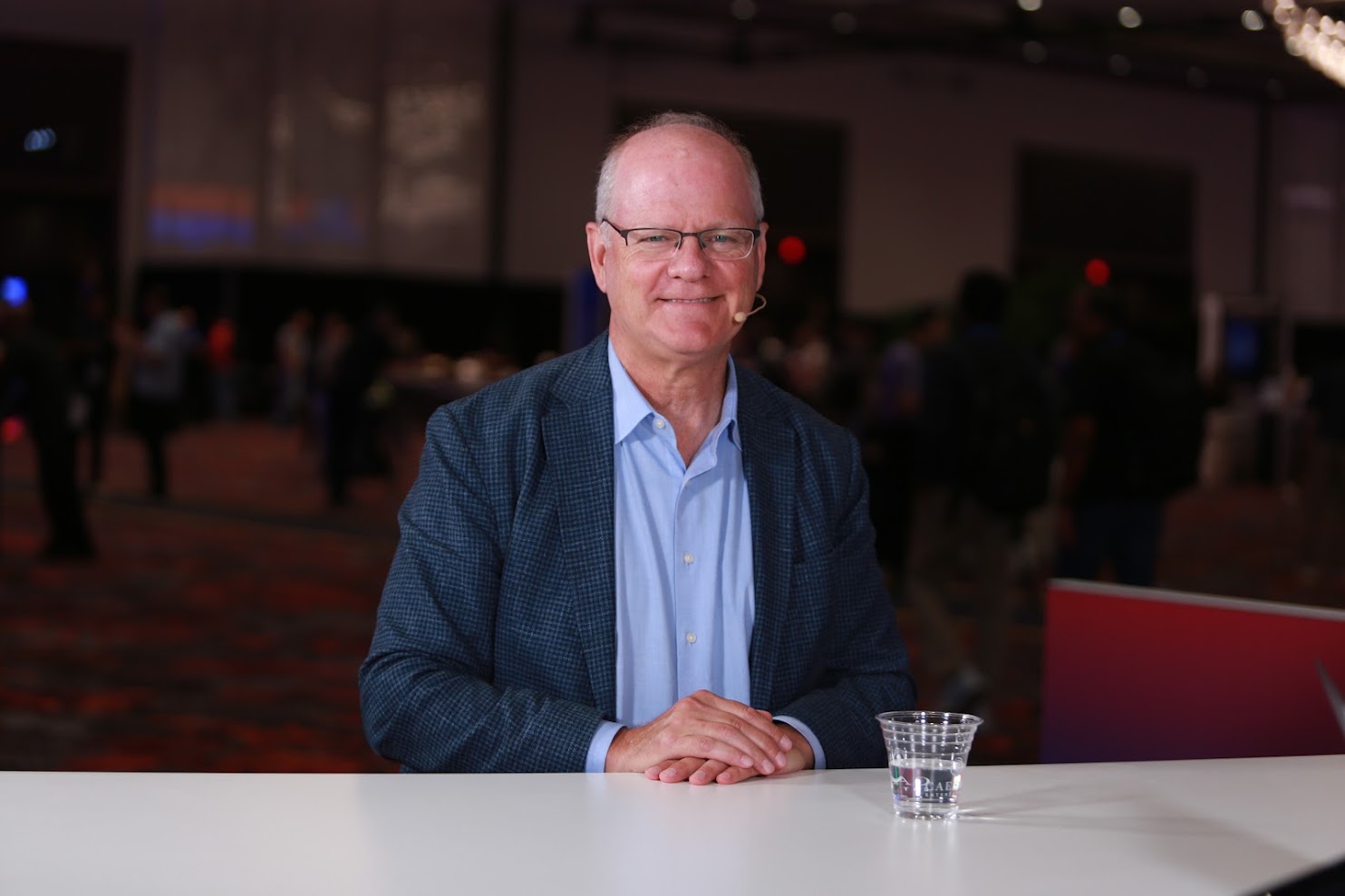
At the September 28 opening of VSMC's 12-inch (300mm) wafer fab in Tampines, Singapore, Vanguard and VSMC chai…

Meta said on September 28 it will offer its AI models and agents to companies and developers, starting with Mu…
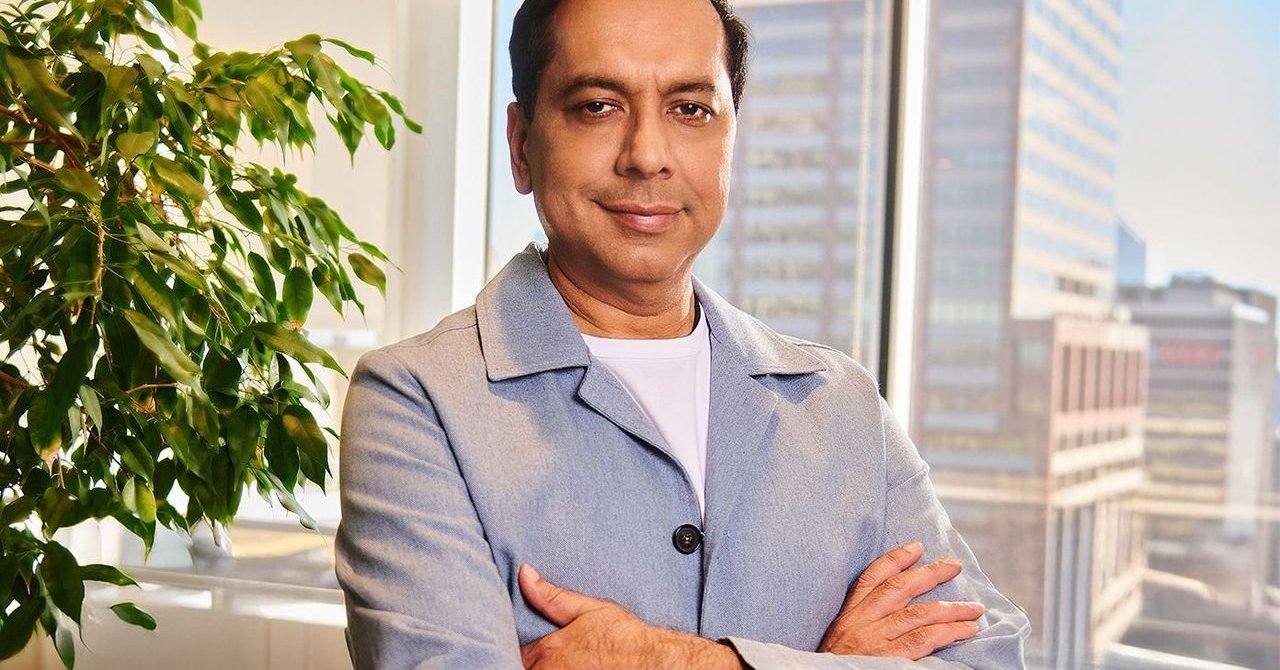
Chipmaker AMD agreed to acquire World Labs, the AI startup founded by industry pioneer Fei-Fei Li, for $8.2 bi…

Anthropic announced Claude Sonnet 5.5 on September 28
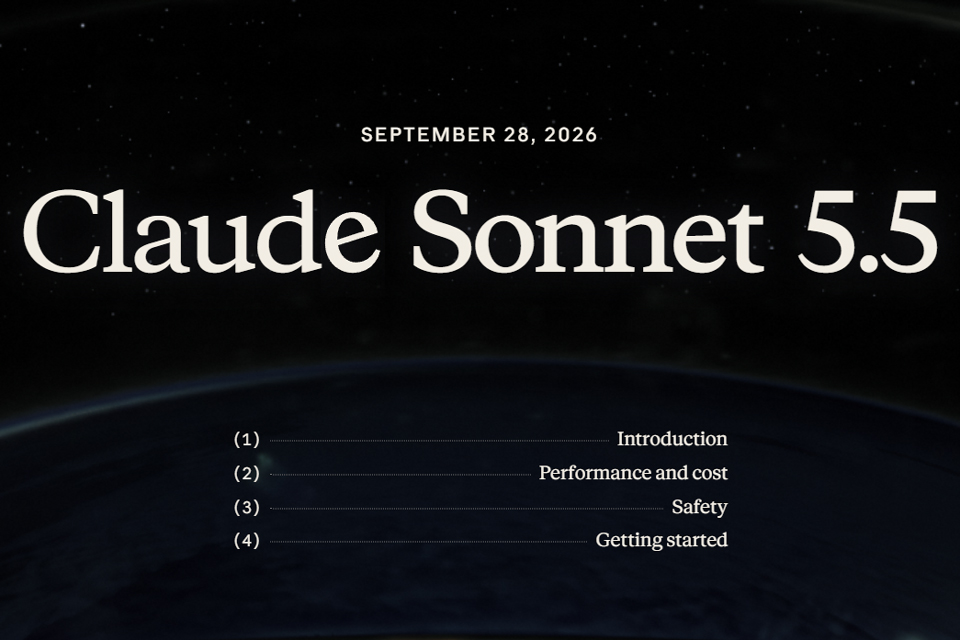
Snowflake says Claude Sonnet 5.5 arrives in Snowflake Cortex AI in public preview, available at launch through…