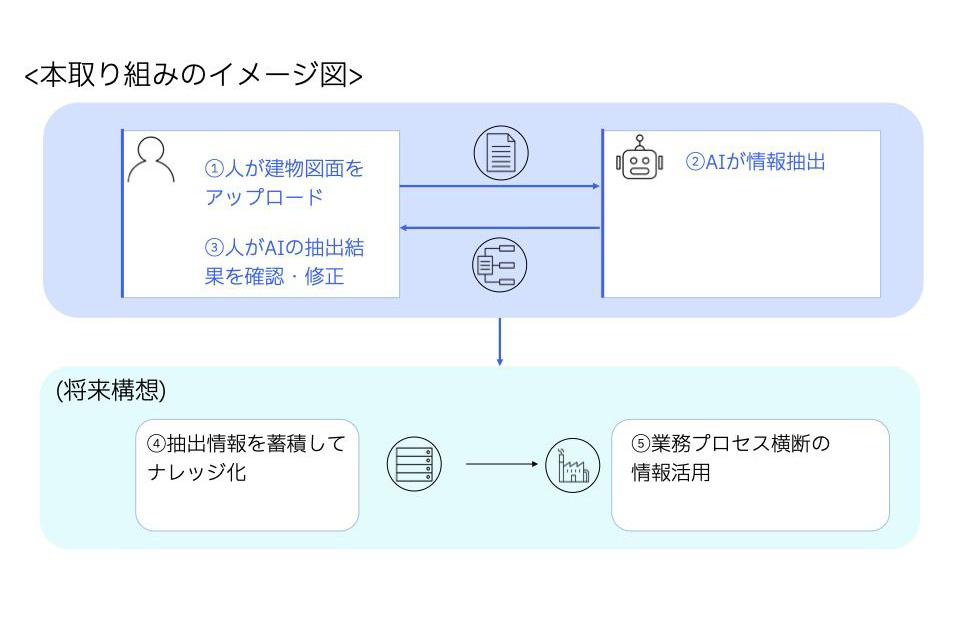
What happened
Ricoh built a new Japanese safeguard model (an LLM that detects harmful input and output) on gemma-4-E4B-it, keeping the safety-detection level of Llama-Ricoh-SafeGuard-20260520 while shrinking the model. It also revised its safety criteria and ships it as standard in RICOH オンプレLLMスターターキット from November.
Why it matters
The smaller size means the same safety checks can run on less computing power, making on-premise deployment more practical for customers. The revised criteria also allow context-dependent answers where blanket restrictions previously applied, so the model can be more useful without lowering its safety bar.
WHO IT HITSEnterprise IT teams running on-premise AI systems get a lighter safeguard model that needs fewer compute resources, and organizations with industry-specific rules can add custom judgment labels without retraining the model.
Summaries like this, in your inbox every morning.
Ricoh's update centers on making its safeguard model lighter without sacrificing safety performance. By switching the base from Llama-3.1-Swallow-8B-Instruct-v0.5 to gemma-4-E4B-it, Ricoh says the new model matches the safety-detection level of Llama-Ricoh-SafeGuard-20260520 while requiring fewer computational resources. That matters for on-premise deployments, where customers run models on their own infrastructure and compute capacity is a practical constraint.
The revision also reflects how LLM use has spread. Ricoh notes that as LLMs have improved, content once uniformly restricted for safety reasons can now be answered usefully and appropriately depending on purpose and context. The new model therefore revisits the safety criteria to fit actual usage scenarios, aiming to balance safety with practicality.
Customization is another piece. Beyond the 13 pre-trained general harmful categories, users can add arbitrary judgment labels to match their own operational policies or industry rules, and this can be done without additional model training. Ricoh plans to standard-install the model in the RICOH オンプレLLMスターターキット from November and provide it to customers sequentially.
Pick your industry and the AI tools you use, and get news related to your work every day.
Free · 30 seconds with Google · unsubscribe anytimeWhat is AIToday? →
Ask AI anything about this article. The AI reads this article, earlier AIToday articles, and Wikipedia, and cites its sources. Q&As are published on this page for other readers too.
DeepSeek V4.1 Flash 1017, a 552B-total / 16B-active MoE model with a 1M-token context window and MIT license…
Cloudflare announced Clairic, a System One-class model that extracts values and dates from text and images in…

DHS ordered federal civilian agencies, excluding military bodies such as the Department of Defense, to stop pr…
Foxconn is expanding its FoxBrain LLM into vision-language models and vision-language-action models, targeting…
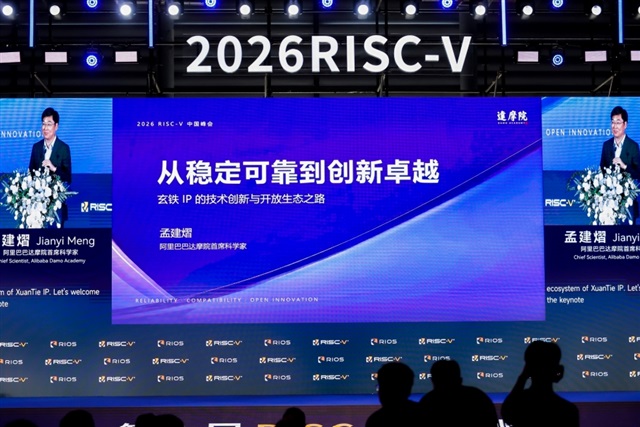
Cumulative shipments of chips using Alibaba DAMO Academy's XuanTie RISC-V processor IP have surpassed 6 billio…
Nitto Kogyo, supported by IBM Japan, built a web app where generative AI extracts circuit info, equipment info…