What happened
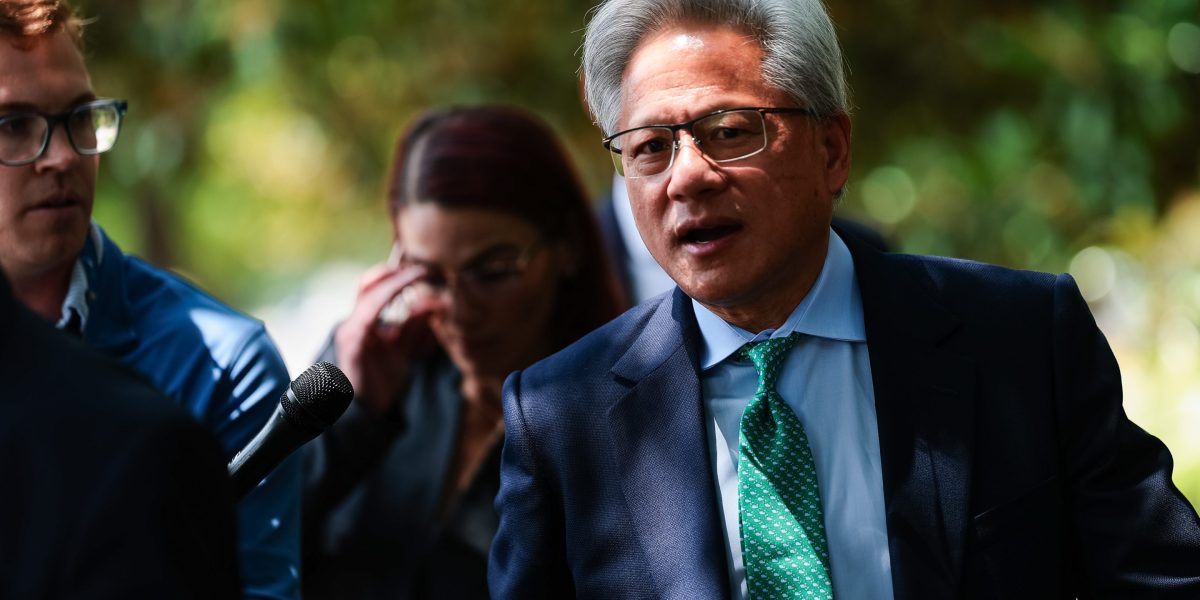
Nvidia CEO Jensen Huang publicly disagreed with Bill Gates' proposal to tax robots and AI tokens, saying he sees 'something very, very different' and believes AI will be a 'net job creator'.
Why it matters
Gates argues that current tax policy favors replacing human workers with machines and that AI could reduce income tax revenues. Huang counters that history shows more productive companies hire more people, not fewer, and that AI will create 'skilled labor' and reindustrialize the US.
What to watch
Huang's remarks came in a Fox Business interview, where he also emphasized the need for retraining and support for workers whose jobs will be disrupted, but he did not endorse any specific tax proposal.
Summaries like this, in your inbox every morning.
The disagreement between Jensen Huang and Bill Gates highlights a fundamental split in how two tech leaders view AI's economic impact. Gates, a self-professed AI optimist, still warns of threats like 'stunted' child development and vanishing jobs for Gen Z, suggesting a need for government intervention to slow the rush away from human labor. Huang, on the other hand, points to historical precedent: when companies are more productive, they hire more people because they have ambitions for growth. He also emphasizes the creation of skilled labor jobs, such as plumbers and electricians, as data centers are built, framing the AI era as 'reindustrialization' for the United States. While both agree on the need to support workers, their proposed remedies differ—Gates sees a tax as a way to fund retraining and a safety net, while Huang seems to rely on the market to create new opportunities. The debate remains unresolved, with Huang admitting there are 'lots of different ways to approach this.'
Pick your industry and the AI tools you use, and get news related to your work every day.
Free · 30 seconds with Google · unsubscribe anytimeWhat is AIToday? →
Ask AI anything about this article. The AI reads this article, earlier AIToday articles, and Wikipedia, and cites its sources. Q&As are published on this page for other readers too.
Chunghwa Telecom president Rong-shy Lin said the shift from conversational AI to autonomous AI agents is resha…
CoreWeave fell 5% in premarket trading Friday and was on track to finish the week down 15%, after rebounding f…
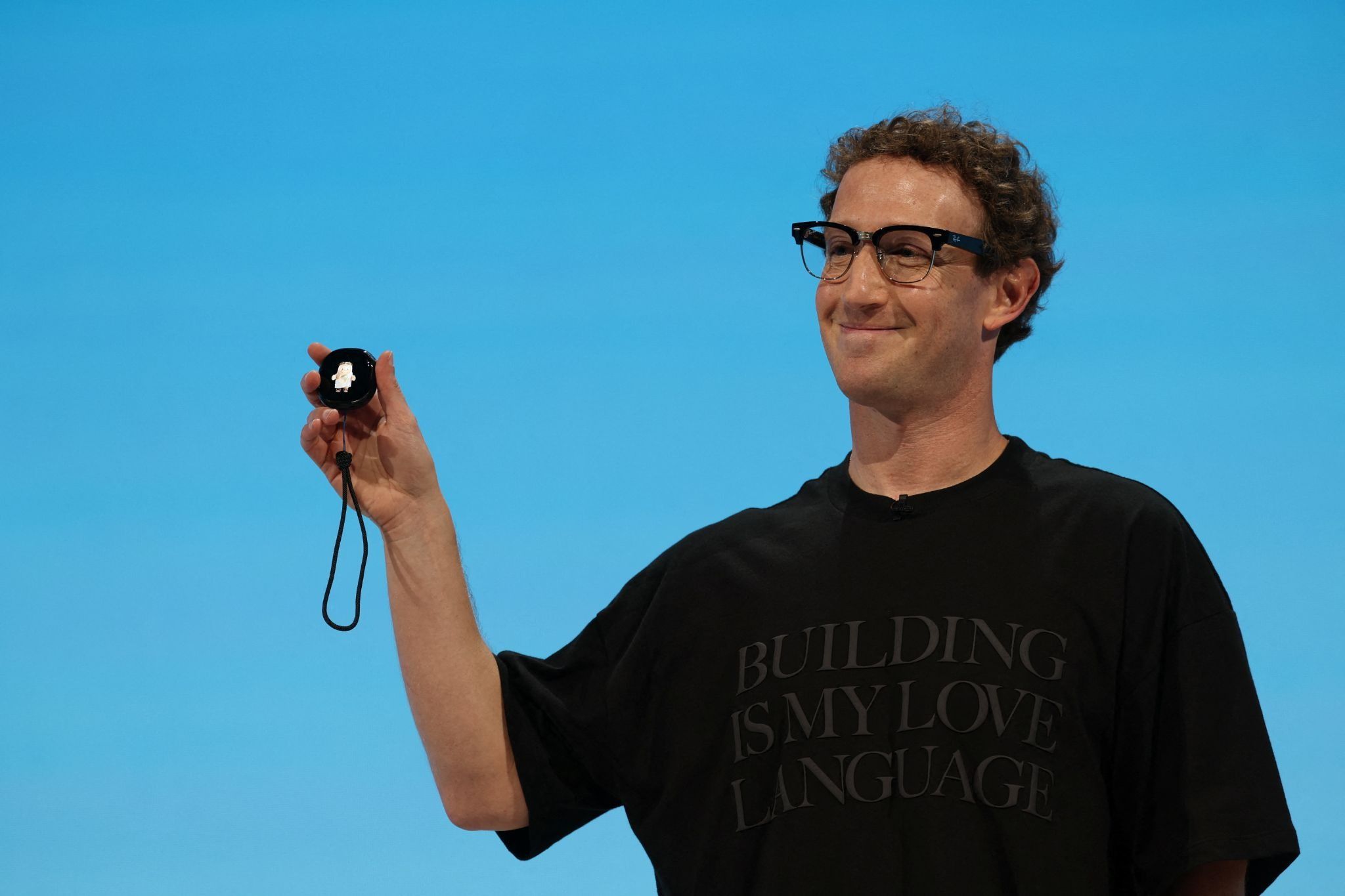
Apple and Meta said they would jointly release a new open-weight AI model designed to run on high-end Macs, ai…
Investors put $38.5 billion into Asian startups in Q3, per Crunchbase data

A longtime Anthropic investor told Fortune he expects shares priced around $1.8 trillion, below the company's…
In Q2, billionaires or their funds sold six 'Magnificent Seven' AI stocks