What happened
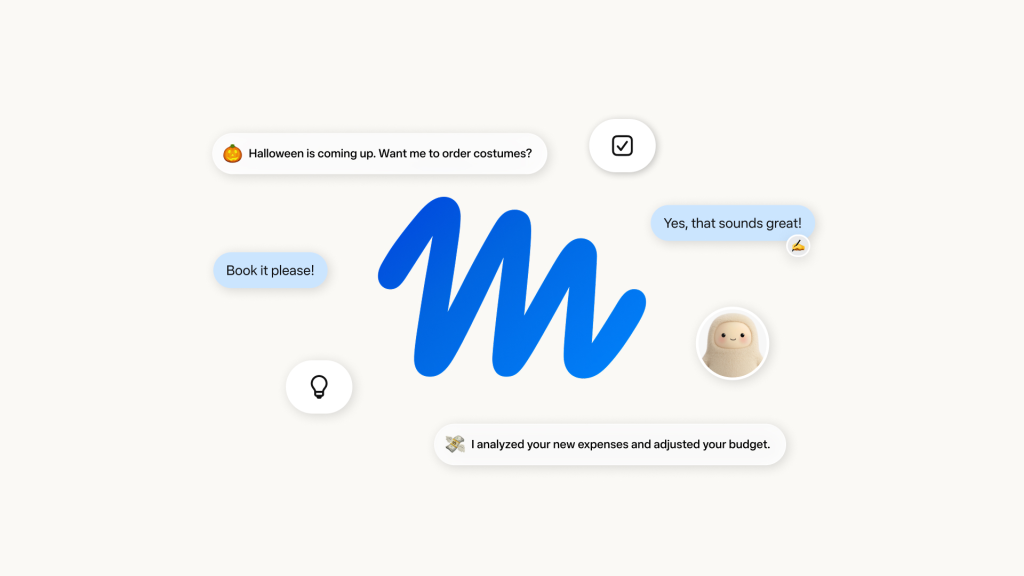
Meta launched Muse, an AI assistant that can connect to and control your email, calendar, or health information when you give it commands.
Why it matters
Unlike chatbots that only answer questions, Muse can actually do things for you, similar to what vibe coders use ChatGPT and Claude Code for.
What to watch
The big test is trust — Meta emphasized security by using the word “secure” 11 times in the press release, but even Google’s Gemini Spark has struggled to catch on.
WHO IT HITSConsumers who might use AI for personal tasks will be affected, as will Meta's 3.6 billion daily users if they decide to trust Muse with intimate information. Vibe coders and AI enthusiasts may see a shift as consumer tools catch up to their workflows.
Summaries like this, in your inbox every morning.
Meta's launch of Muse marks a shift from AI as a conversational tool to AI as an action-taking assistant. The company frames it as a way to bring the capabilities that advanced users and developers already enjoy — like controlling apps through natural language — to a broader, mainstream audience. The success of Muse hinges on trust, especially given the intimate data it can access, like email, calendar, and health information. Meta's heavy use of “secure” in its announcement suggests it is aware of this hurdle. Even a tech giant like Google has not achieved breakout success with its consumer-oriented Gemini Spark, indicating that convincing users to hand over personal data remains a significant challenge. Observers will likely watch whether Meta's vast daily user base can overcome this skepticism and embrace a more proactive AI assistant.
For example, today's edition would include:
AI-summarized, only the topics you pick — one digest a day via Email, Slack, or Discord.
Free · 30 seconds with Google · unsubscribe anytimeWhat is AIToday? →
Ask AI anything about this article. Q&As are published on this page for other readers too.
Contrarian Thinking founder and CEO Codie Sanchez said the most direct way small business owners should deploy…

Epoch AI and Ipsos surveys found the share of US adults using AI on at least six of seven days rose from 8 per…

Hilton received roughly 12,000 applications for 72 internship spots this year, with only 0.6% accepted, and ha…

AAA AI launched a multi-agent system connecting local runtimes like Ollama or cloud APIs under one orchestrati…

Cambridge researchers interviewed 27 former members of Boko Haram's two factions, ISWAP and JAS, who described…

Meta's AI assistant Muse was downloaded over 900,000 times in its first week, according to Sensor Tower, but a…