
Venture capital investors are accelerating their portfolio reviews because artificial intelligence developments are making 2024 investment decisions look outdated by 2026 standards.
The rapid evolution of AI technology is shortening the useful life of investment theses, forcing VCs to reconsider earlier bets much faster than traditional venture cycles typically require.
What happened
Venture capital investors are intensifying portfolio reviews as artificial intelligence developments reshape the landscape, causing deals from 2024 to appear mispriced in light of 2026 realities.
Why it matters
The rapid pace of AI innovation is compressing the window in which investment theses remain valid, forcing VCs to reconsider earlier commitments sooner than traditional venture cycles would demand. This uncertainty may reshape how VCs evaluate and price early-stage AI-adjacent businesses.
What to watch
The article does not specify a timeline, funding threshold, or particular portfolio adjustments underway, but the trend suggests VCs will need to monitor portfolio companies' competitive positioning against emerging AI capabilities more frequently than before.
Ask the AI about this article →
Venture capital has long operated on the premise that a thesis—the fundamental investment hypothesis behind a deal—remains valid for years. But the headline premise of this article is that AI development has fundamentally altered that rhythm. The body indicates that deals struck in 2024 are already being re-evaluated against a 2026 backdrop, compressing the window for strategic coherence.
This shift creates a practical problem for VC portfolios: a company funded at a certain valuation on the belief that it addresses a specific market need or technical gap may find that thesis undermined within months if a new AI model, capability, or competitor emerges. The article's framing—that 2024's 'great deals' look like 'clear mistakes' by 2026—suggests not merely that performance is disappointing, but that the underlying logic for the investment has been overtaken. This forces VCs to move from a passive hold-and-grow model toward active, more frequent reassessment of each company's durable competitive advantage in an AI-shifting landscape.
AI-summarized, only the topics you pick — one digest a day via Email, Slack, or Discord.
Free · takes 30 seconds · unsubscribe anytime
Ask AI anything about this article. Q&As are published on this page for other readers too.
Anthropic is privately hoping to file for its initial public offering by the end of this month, targeting a ra…
Broadcom is reportedly seeking to borrow up to $100 billion in debt financing to support growth efforts at Ant…
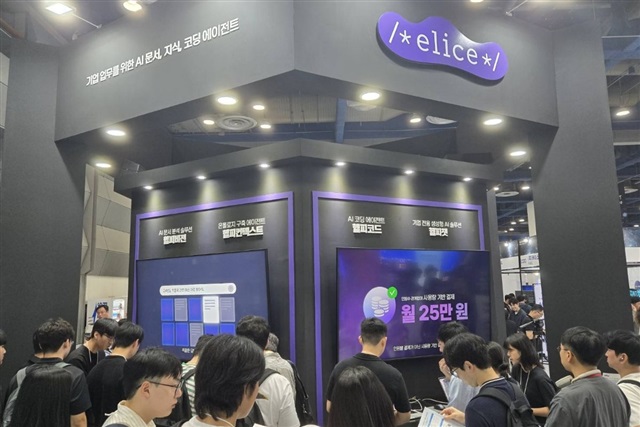
Elice Group, a South Korean AI infrastructure provider, announced the launch of the country's first AI data ce…
On August 12, AT&T's Chief Data and AI Officer said OpenAI models power about 25% of the telecom's total AI us…

On August 11, IBM announced a multi-year $240 million agreement with Together AI to deploy NVIDIA HGX B300 sys…

Tencent Holdings is receiving shipments of Nvidia H200 AI chips under a new Chinese policy that permits limite…