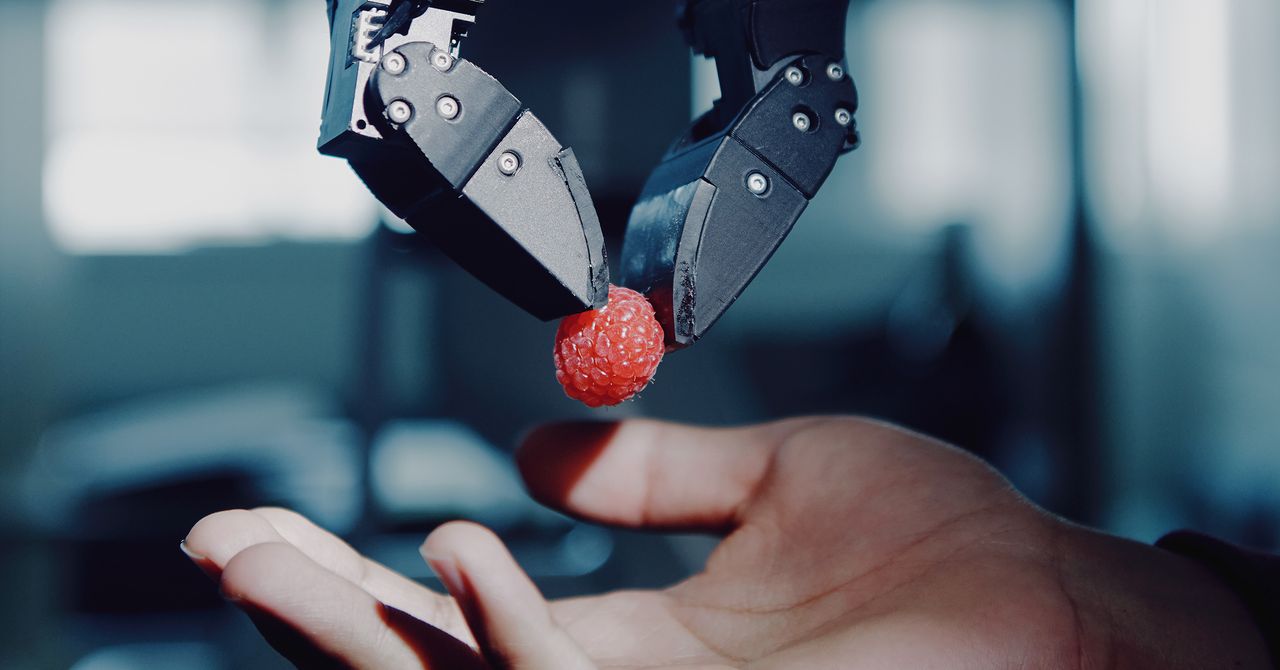
Eka, a Cambridge, Massachusetts startup cofounded by MIT professor Pulkit Agrawal and ex-Google DeepMind roboticist Tuomas Haarnoja, has built a robot arm that can pick up, manipulate, and handle diverse objects—including screwing a light bulb into a socket—with natural, continuous motion that prior robot arms could not achieve.
Unlike earlier approaches such as OpenAI's Dactyl (which could only manipulate a single instrumented Rubik's Cube under precise conditions), Eka's system trains robotic hands in detailed virtual simulations for thousands of computer hours, learning to handle objects of varying sizes, shapes, and weights without relying on human-provided training videos.
Agrawal frames robot dexterity as foundational: "Trillions of dollars flow through the human hand," suggesting applications beyond factories and warehouses to shops, restaurants, and households. The cofounders believe they are halfway to solving dexterity and say the remaining work is "just a question of scaling up the approach."
Summaries like this, in your inbox every morning.
Pick your industry and the AI tools you use, and get news related to your work every day.
Free · 30 seconds with Google · unsubscribe anytimeWhat is AIToday? →
Ask AI anything about this article. The AI reads this article, earlier AIToday articles, and Wikipedia, and cites its sources. Q&As are published on this page for other readers too.
ElevenLabs completed a $300 million employee tender at a $22 billion valuation, and co-founder Mati Staniszews…

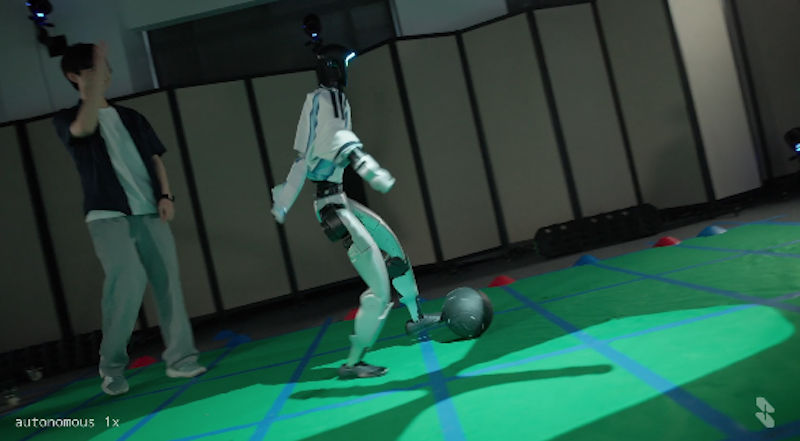
Skild AI used Nvidia Isaac Sim to give its S1 model one objective — score a goal — and let it compete against…
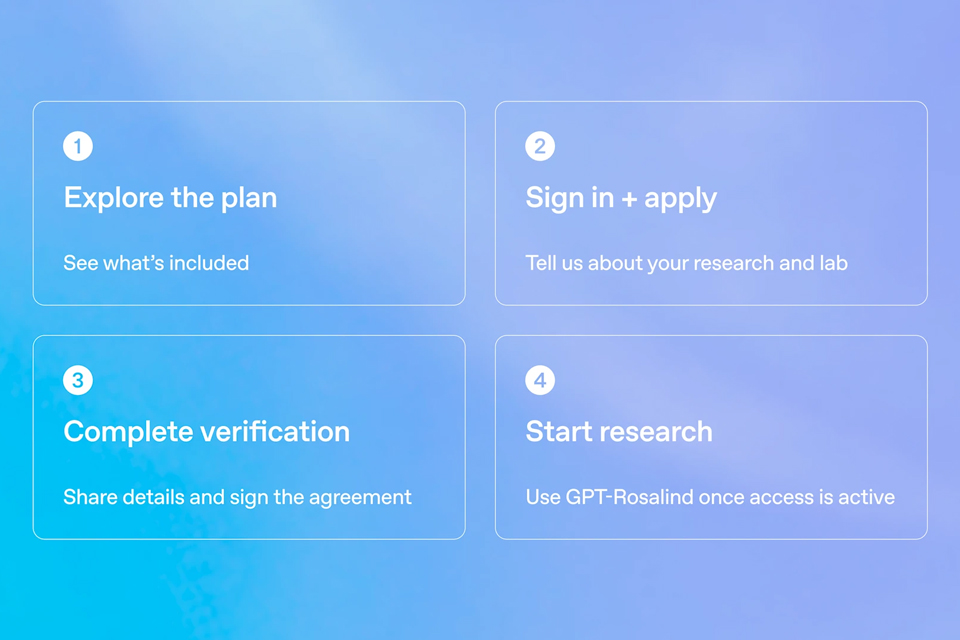
On October 15, OpenAI announced the Rosalind Academic Plan, giving approved US university labs free access to…
A Qiita article compared automated red-teaming methods for LLM apps — GCG, PAIR, and TAP — using mock implemen…

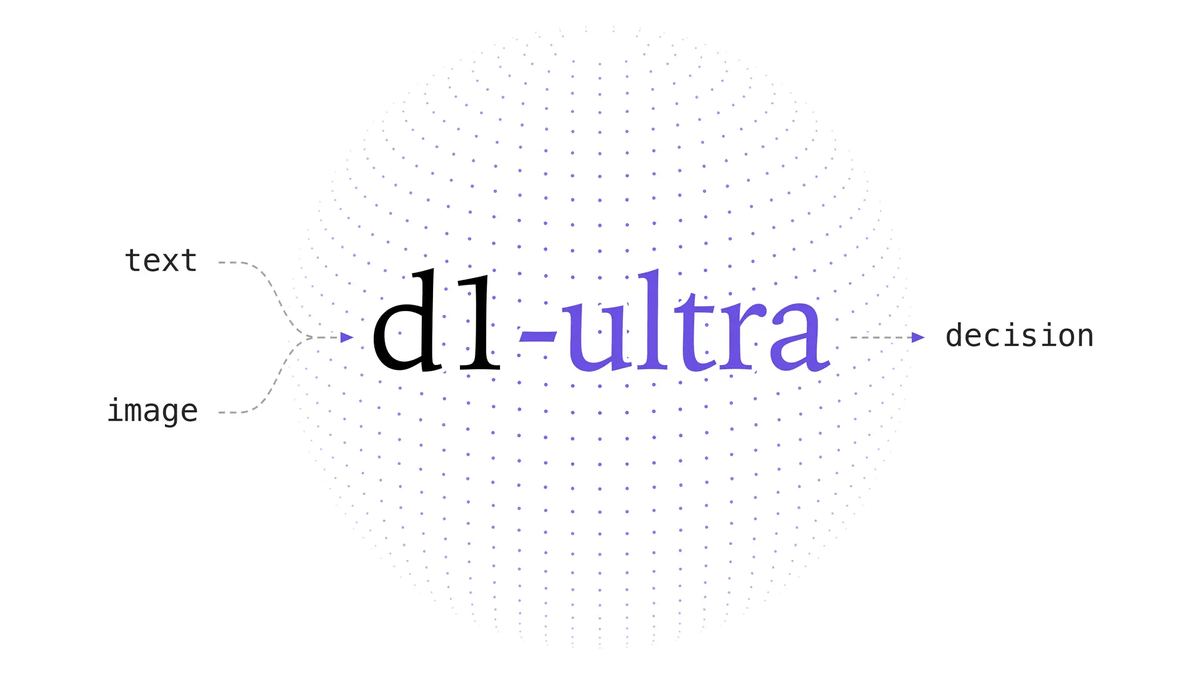
Liquid AI released d1-ultra on October 15, 2026, an upgraded open-weights decision model that averaged 76.7 ac…
Circlia started a proof-of-concept for TASTE SIGNAL: visitors to Holland Village Cafe FUKUOKA taste cookies an…