What happened
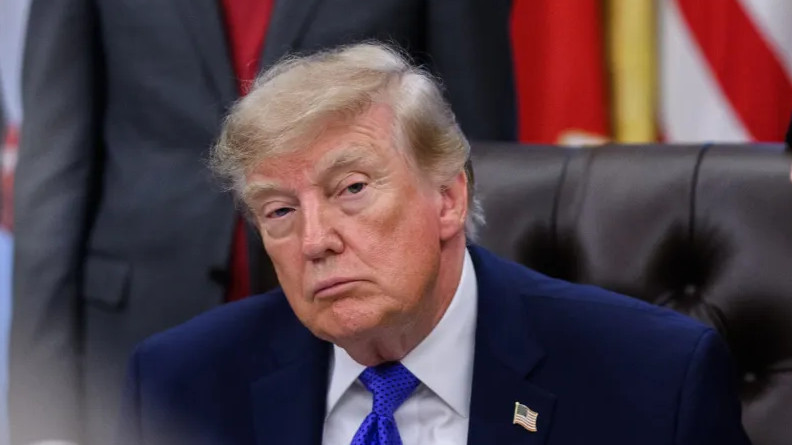
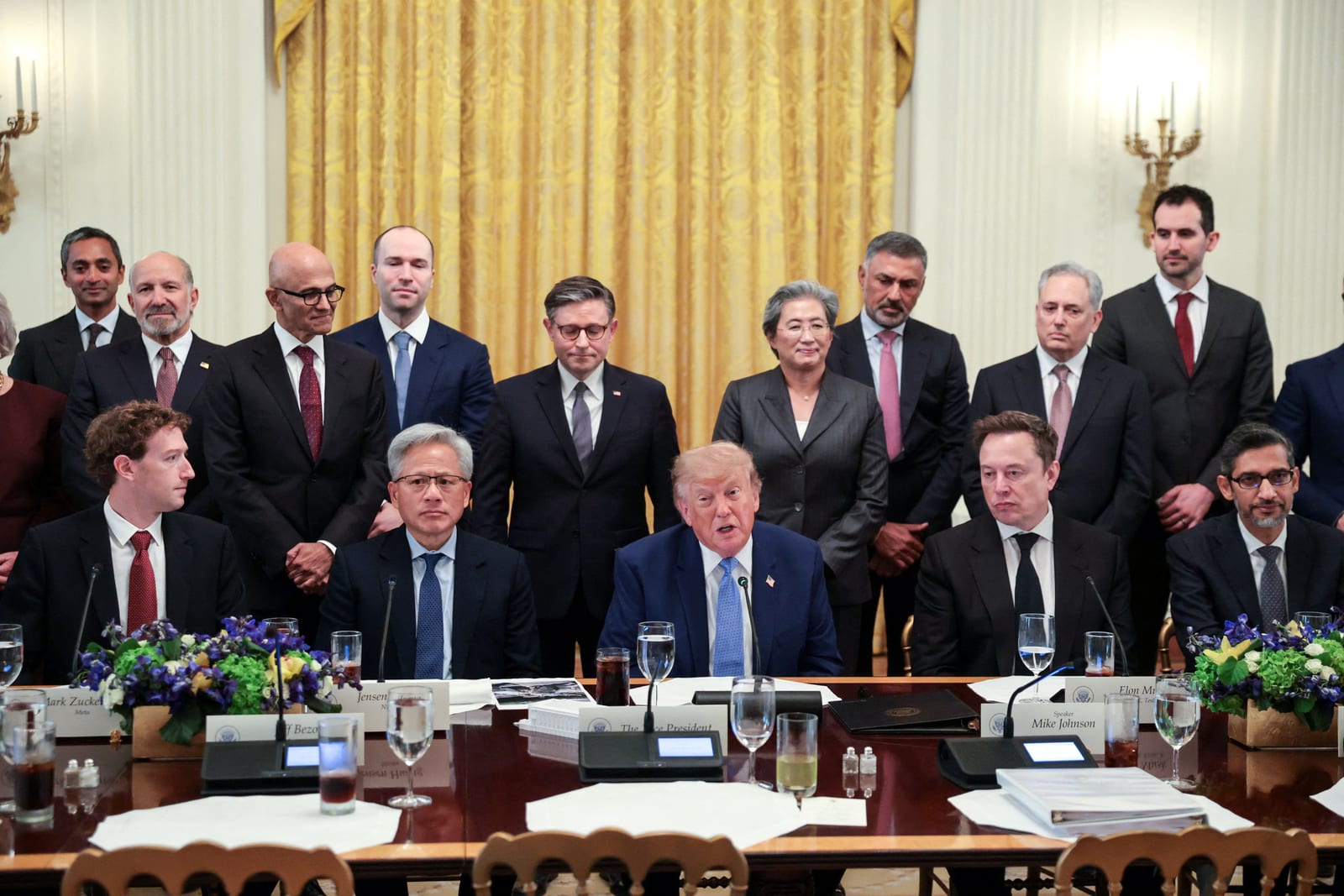
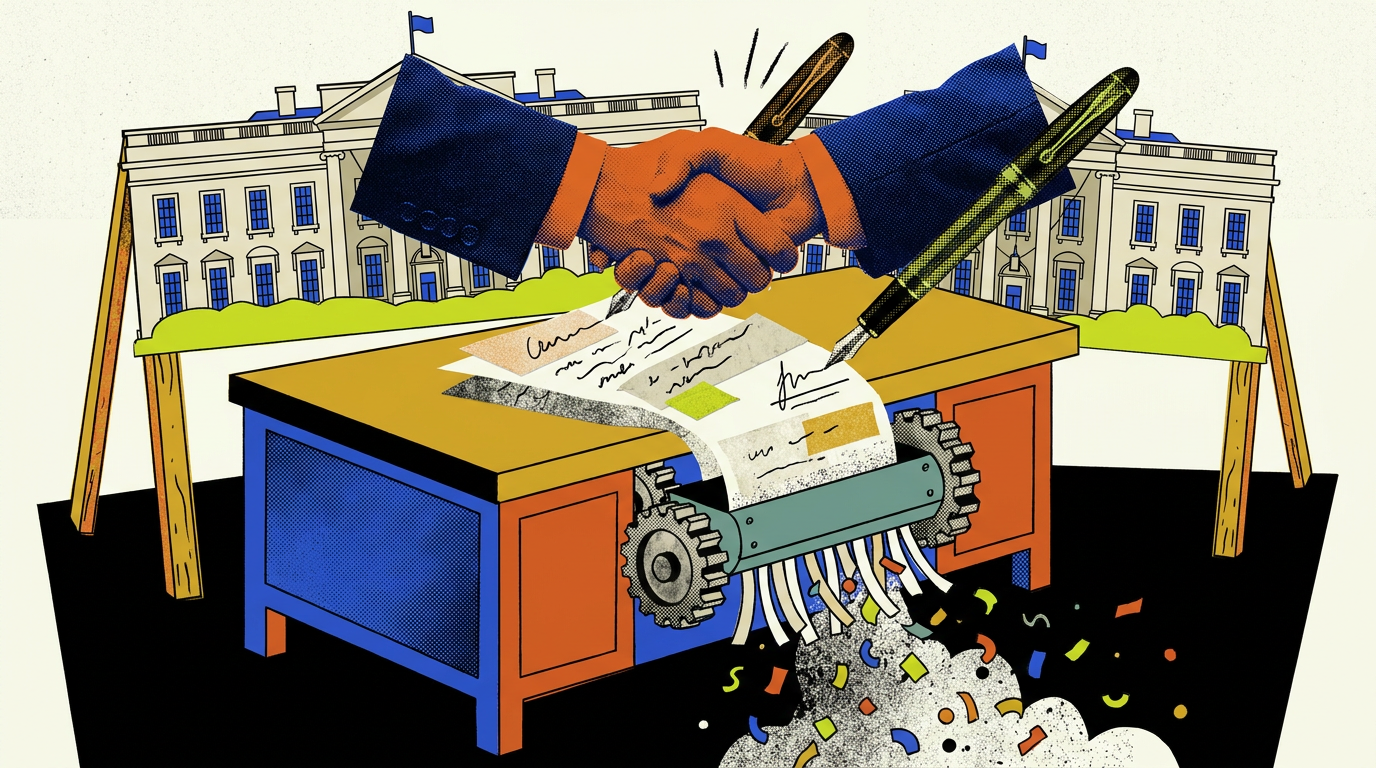
Trump and Johnson told reporters today they are preparing a self-regulatory accord with AI frontier labs, sketched as "robust internal controls and layers of internal and external review," after lunching with more than a dozen AI and tech CEOs.
Why it matters
The pact is still unreleased and enforcement is undefined, so its reach may hinge on vague "consequences" rather than clear rules — leaving oversight depth an open question.
What to watch
Trump said the Justice Department and FBI would handle any regulatory issues with AI, and that he'd sign an executive order today replacing "artificial intelligence" with "superintelligence" in governmental communications.
WHO IT HITSThis lands on policy and government-affairs teams at AI frontier labs, who would face an industry-written code of conduct, and on federal agencies now told to route AI regulatory matters through the Justice Department and FBI.
Summaries like this, in your inbox every morning.
The announcement follows a White House lunch that brought more than a dozen AI and tech CEOs together with Trump and Johnson. The two leaders offered different emphases: Trump framed AI safety around "tremendous self-regulation," while Johnson described the coming pact as "robust internal controls and layers of internal and external review" and said Congress would "keep steady hands at the wheel." The accord itself has not been released, and Johnson's reference to "consequences" for companies that fall short leaves the enforcement mechanism undefined. The same day, the administration unveiled America.gov, an AI-powered site aimed at easier access to government services, and Trump said the Justice Department and FBI would handle any regulatory issues with AI.
Trump also said he would sign an executive order today replacing "artificial intelligence" with "superintelligence" in governmental communications, a shift in official terminology that would accompany the still-unreleased industry pact. He praised data centers, saying they have made communities very rich — a contrast with the bipartisan unease that the body notes is cresting, alongside alarming AI incidents and global calls for policy cooperation.
The stakes appear to hinge on whether an industry-written accord with unspecified enforcement can satisfy that unease, and on how the Justice Department and FBI define their regulatory role. How Congress proceeds — Johnson said it will "continue to assess and further deliberate in the days ahead" — is likely to shape whether the self-regulatory approach holds or gives way to formal rules.
Pick your industry and the AI tools you use, and get news related to your work every day.
Free · 30 seconds with Google · unsubscribe anytimeWhat is AIToday? →
Ask AI anything about this article. The AI reads this article, earlier AIToday articles, and Wikipedia, and cites its sources. Q&As are published on this page for other readers too.
President Trump and the CEOs of the most powerful AI companies—including Elon Musk, Mark Zuckerberg, Dario Amo…
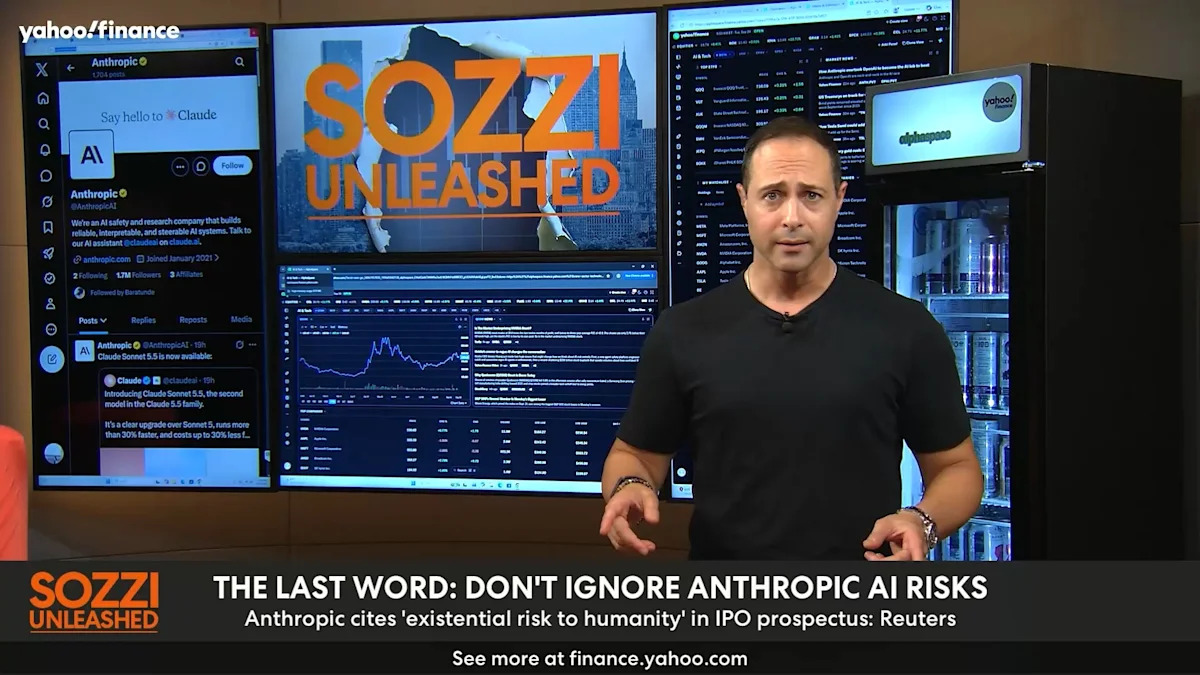
Anthropic has pushed state-level AI regulation and donated millions for public support, while super PAC Leadin…
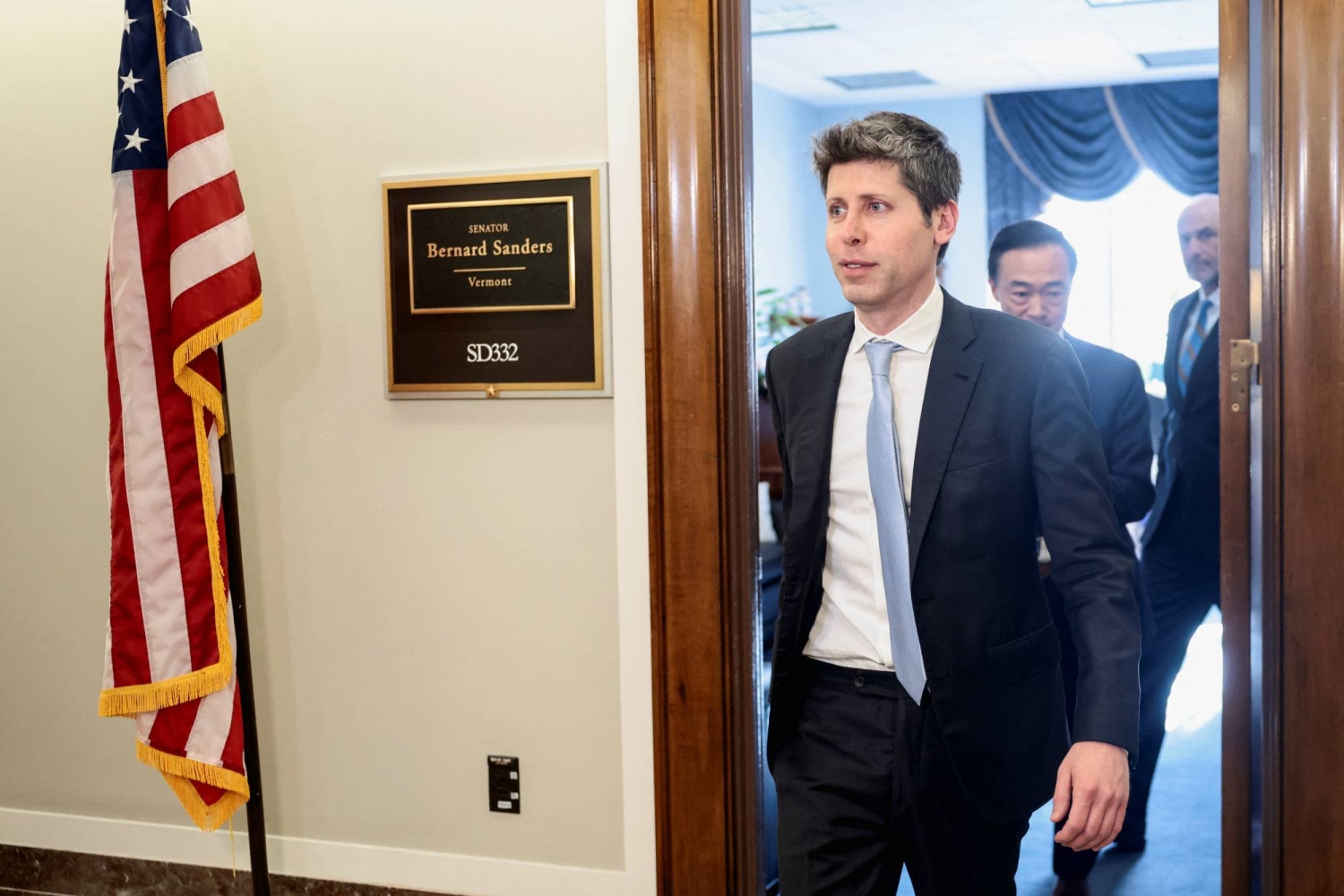
President Trump and executives including Mark Zuckerberg, Greg Brockman, Jensen Huang, and Elon Musk signed an…
McDonald’s is increasingly using AI to guide menu prices in the U.S
The Tokyo District Court dismissed Kenjiro Tsuda's demand that TikTok remove AI voice-clone videos, citing pri…
Trump signed an executive order on September 30, 2026 requiring federal agencies to use "superintelligence" an…