What happened
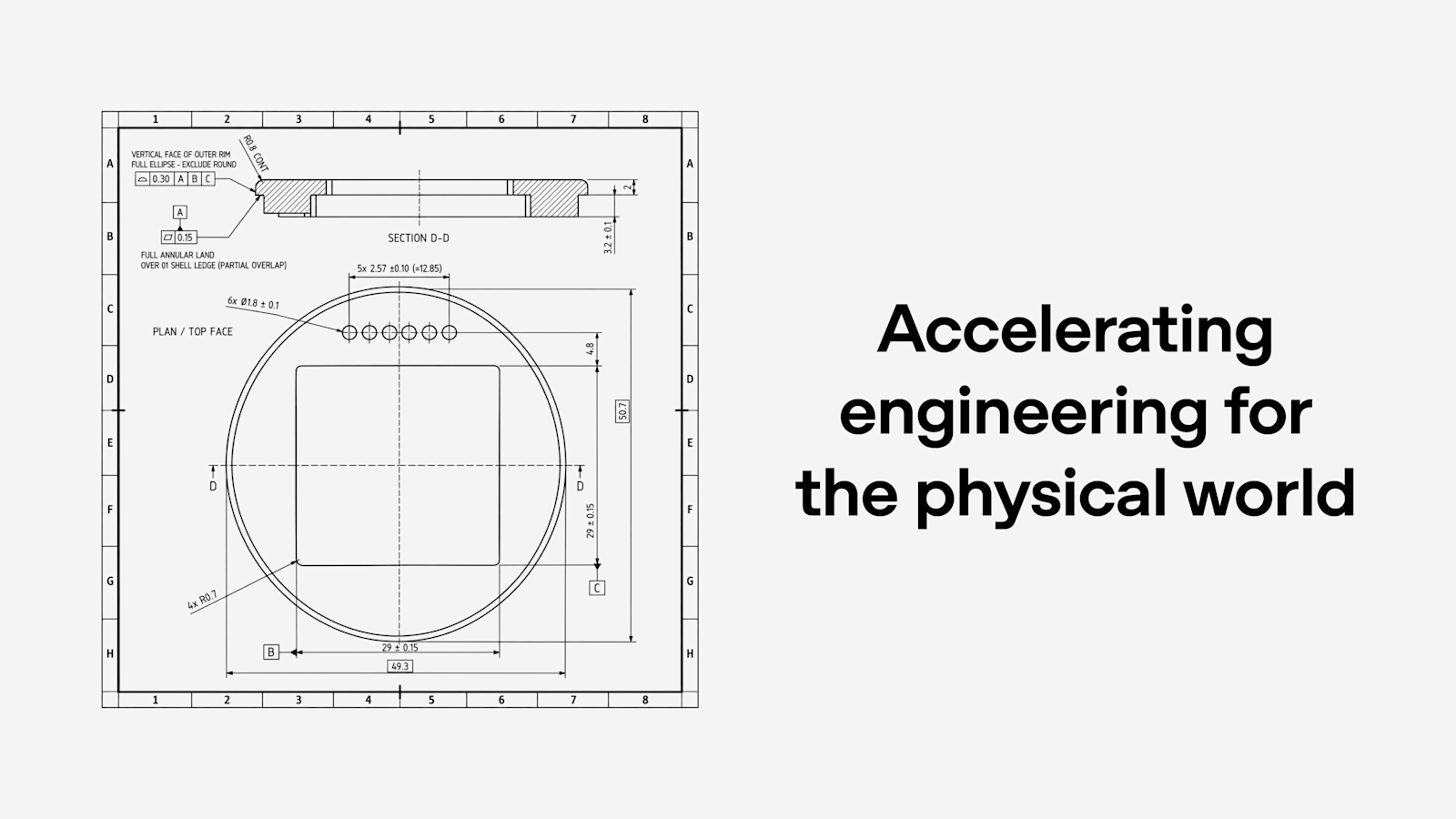
OpenAI tested Astra by having GPT-6 define requirements and design the enclosure, PCB and software for a Codex talk device; two team members finished it in under a week.
Why it matters
A contract manufacturer built prototypes in under a month, but Astra missed production limits and tolerances, showing where models still fall short for manufacturing.
WHO IT HITSHardware and mechanical/electrical engineering teams — especially those turning 3D scans into CAD models or running simulation-heavy design work — get an early look at where AI can cut manual iteration, while manufacturing engineers remain the check on whether outputs are buildable.
Summaries like this, every morning.
OpenAI frames this as a shift from chat to physical product work: models preparing drawings, setting up simulations, and coordinating changes across mechanical, electrical and software disciplines. The internal evidence is a usage signal — tokens consumed by OpenAI's hardware teams grew 23-fold since February — plus the Astra experiment, where GPT-6 handled requirements, enclosure, PCB and firmware for a device for talking to Codex.
The Astra test is presented with its limits intact. A contract manufacturer produced a small prototype batch in under a month, but the device needed several rounds of review because the model missed production limits and tolerances. OpenAI says those gaps are informing what future models must improve, which reads as an admission that design fluency and manufacturability are not the same skill.
The external collaborators show where OpenAI wants validation. Chip Ganassi Racing is expanding its work to turn 3D scans of existing parts into editable CAD models and 2D manufacturing drawings when original design files are unavailable, with CGR engineers checking accuracy and manufacturability. Mazda is a new research collaboration, with aerodynamics and crash-safety engineers using airflow and structural simulations to explore vehicle designs; OpenAI says more results will come in the coming months.
Pick your industry and the AI tools you use, and get news related to your work every day.
Free · 30 seconds with Google · unsubscribe anytimeWhat is AIToday? →
Ask AI anything about this article. The AI reads this article, earlier AIToday articles, and Wikipedia, and cites its sources. Q&As are published on this page for other readers too.
Dell Technologies ranks 10th on a list of the 10 best and cheap stocks to buy heading into 2027, trading at a…

The explainer traces optimal transport from Monge's 1781 earth-moving problem to Cuturi's 2013 Sinkhorn algori…

Google said Tuesday it will turn off AI tools for K-12 students next year unless administrators explicitly ena…
In an updated S-1 filing, Anthropic disclosed revenue of $17 billion for the quarter ended September 30, up fr…
OpenAI consumer product lead Adam Fry said at a Monday press event that ChatGPT now handles search query volum…

Netflix is gradually rolling out an "AI Discover" tab in its TV app, starting in the US for members using Engl…