What happened
Strategy One (March 2026) made Mosaic access through the MCP server available by default, letting a Strands agent on Amazon Bedrock AgentCore query two linked Mosaic models over Amazon Redshift and Amazon Aurora with no ETL.
Why it matters
With MCP access on by default, an AI agent can reach governed definitions across both sources without a custom pipeline, and row-level and object-level security are evaluated against the human caller's identity end-to-end, not a service account.
Summaries like this, in your inbox every morning.
The walkthrough builds on two earlier posts in the series that used the same Customer 360 pattern with different semantic layers: Stardog's ontology-based layer and Denodo's data virtualization platform. This third post swaps in Strategy Mosaic, whose dimensional model composes attributes, hierarchies, facts, and metrics through Strategy's metric expression syntax. The shared C360 schema is adapted from Stardog's C360 Knowledge Kit, so a reader following the series sees the same entities and keys answered by a different semantic layer.
Mosaic does not federate rows across engines at query time. It plans one query per source, pushes native SQL down, and joins the intermediate result sets in the Mosaic engine on shared attributes declared through model linking. For the representative auto-enrollment question, Amazon Aurora runs a transactional profile join while Amazon Redshift runs the fact aggregation, and Mosaic combines the results on the shared customer ID. The body notes that domain ownership follows the model boundary, with the CRM team owning Customer and the data system team owning Purchase, and neither hands over its source.
A notable detail is that Mosaic serves four native protocols from one definition: MCP for AI agents, JDBC/ODBC over Trino for SQL clients, XMLA for Power BI and Excel, and REST for custom applications. The body also describes a choice between live pushdown and in-memory execution, noting that agent traffic is repetitive and bursty, so serving from memory can turn variable per-query warehouse spend into fixed Mosaic capacity.
Pick your industry and the AI tools you use, and get news related to your work every day.
Free · 30 seconds with Google · unsubscribe anytimeWhat is AIToday? →
Ask AI anything about this article. The AI reads this article, earlier AIToday articles, and Wikipedia, and cites its sources. Q&As are published on this page for other readers too.
ASI Inc., formerly Air Space Intelligence, raised a $325 million Series C led by Spark Capital, valuing it at…

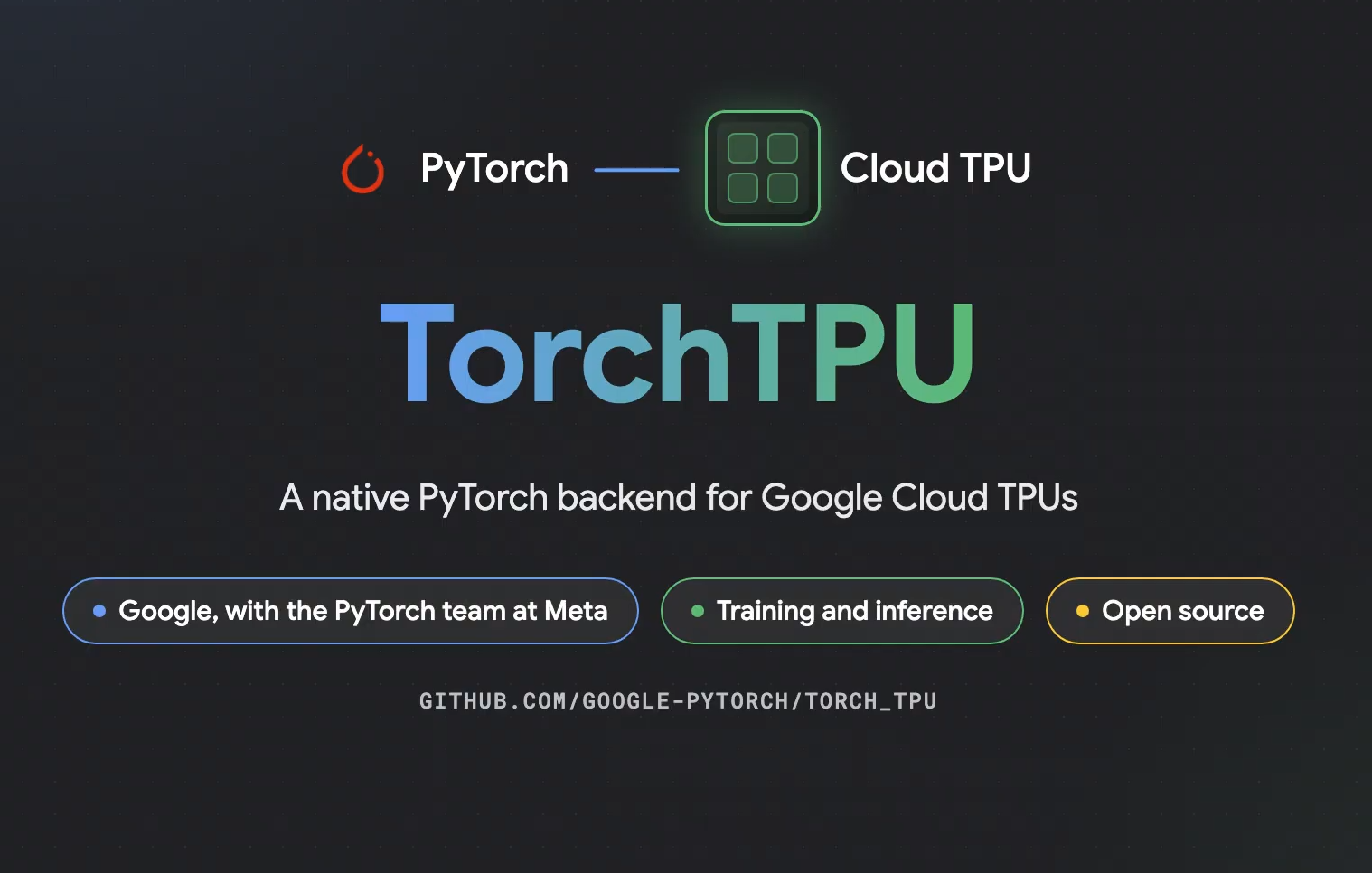
Google released TorchTPU, a version of the PyTorch framework that lets developers run existing AI apps and mod…
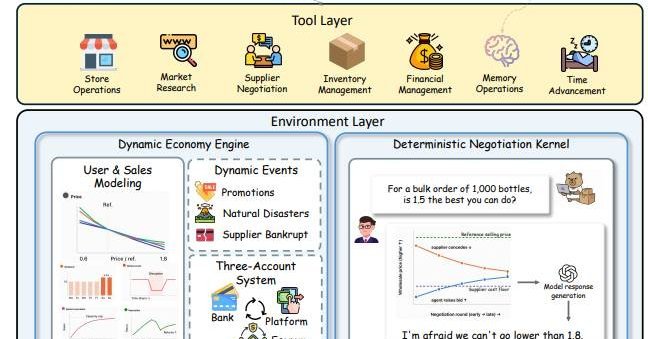
In a benchmark called E-Commerce Bench, 18 AI models ran up to four simulated shops for 365 days, using 18 too…
ITmedia's AI Plus released a 14-page booklet on using Gemini Notebook's (formerly NotebookLM) Studio feature…

Axon stock is down 54% from its 2025 peak and 30% year-to-date, even as the iShares Expanded Tech-Software Sec…

IBM Research's ALTK-Evolve turns each customer-service agent trial into short action rules and injects them in…