What happened
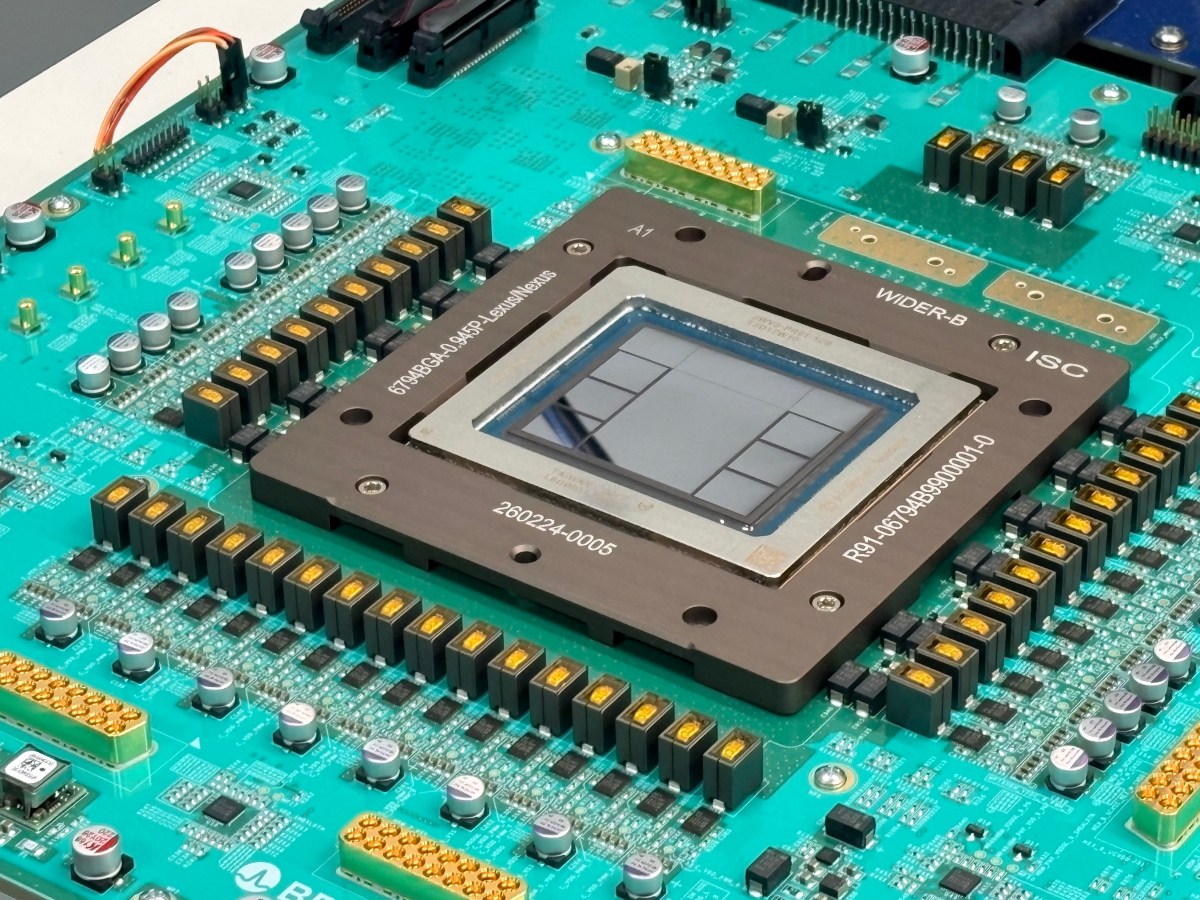
At the Hot Chips conference on Tuesday, OpenAI shared the first benchmark results for its Jalapeño chip. Tested on SemiAnalysis' InferenceX benchmark, it registered more tokens per user and more throughput per kilowatt than currently available state-of-the-art inference processors, which in the test was an Nvidia Blackwell system.
Why it matters
OpenAI's head of hardware, Richard Ho, said the results show "a very, very significant performance advance over state of the art," meaning the chip can serve more AI work per unit of power while returning responses more quickly. This is notable because the comparison is against an Nvidia system, though Ho noted the competition may have advanced by the time Jalapeño is fully deployed.
What to watch
Ho estimated Jalapeño will deploy at the end of 2026 "in very small volumes," with more significant deployment coming in 2027. It is designed to minimize delays during the prefill and communication phases of inference, which OpenAI says often act as bottlenecks.
Summaries like this, in your inbox every morning.
OpenAI's first benchmark results for Jalapeño are a significant data point in its effort to build its own hardware. The chip's performance on the InferenceX benchmark, showing an advantage over Nvidia's current Blackwell system, comes from a full-stack design approach. By developing the AI models, chip, and memory in concert, OpenAI targeted specific bottlenecks that slow down the serving of AI responses.
The chip is part of a multigenerational platform strategy, indicating a move toward tighter integration between OpenAI's software and its hardware. The deployment timeline is gradual, with very small volumes by the end of 2026 and more significant volumes the following year. This suggests that while the company is making progress, it will be some time before Jalapeño becomes a major factor in its data centers. The comparison against Nvidia was noted to be a snapshot in time, since Nvidia is likely to have advanced its own technology by the time Jalapeño reaches full deployment.
Pick your industry and the AI tools you use, and get news related to your work every day.
Free · 30 seconds with Google · unsubscribe anytimeWhat is AIToday? →
Ask AI anything about this article. The AI reads this article, earlier AIToday articles, and Wikipedia, and cites its sources. Q&As are published on this page for other readers too.
In Q2, billionaires or their funds sold six 'Magnificent Seven' AI stocks
Nvidia was rising early Friday, even as the wider chip sector kept falling, Barron's reported
ElevenLabs completed a $300 million employee tender at a $22 billion valuation, and co-founder Mati Staniszews…

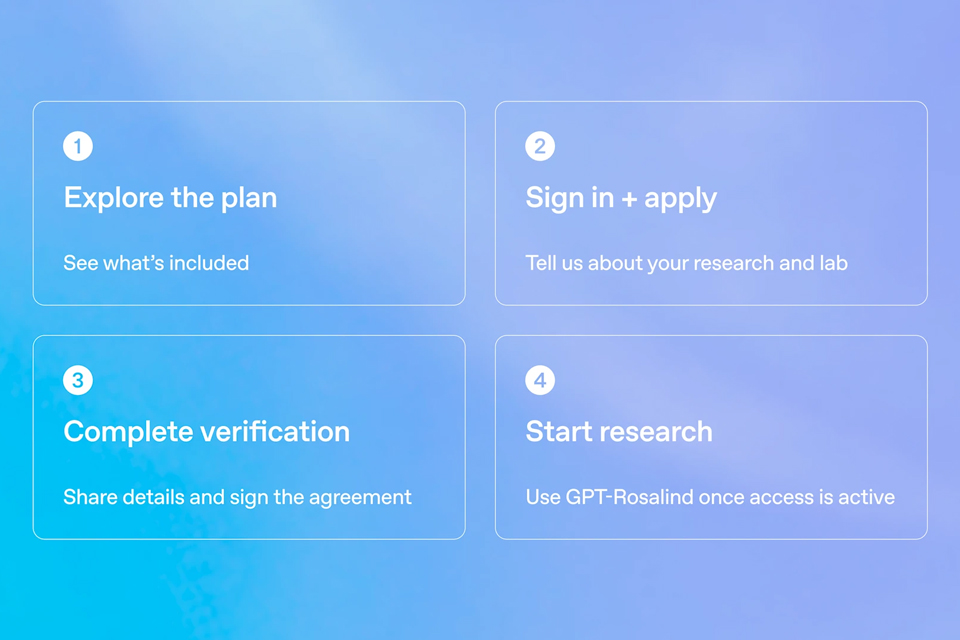
On October 15, OpenAI announced the Rosalind Academic Plan, giving approved US university labs free access to…
Neostellar Capital principal Evan Schlossman said CoreWeave's $103.7 billion in remaining performance obligati…
A Qiita article compared automated red-teaming methods for LLM apps — GCG, PAIR, and TAP — using mock implemen…