What happened
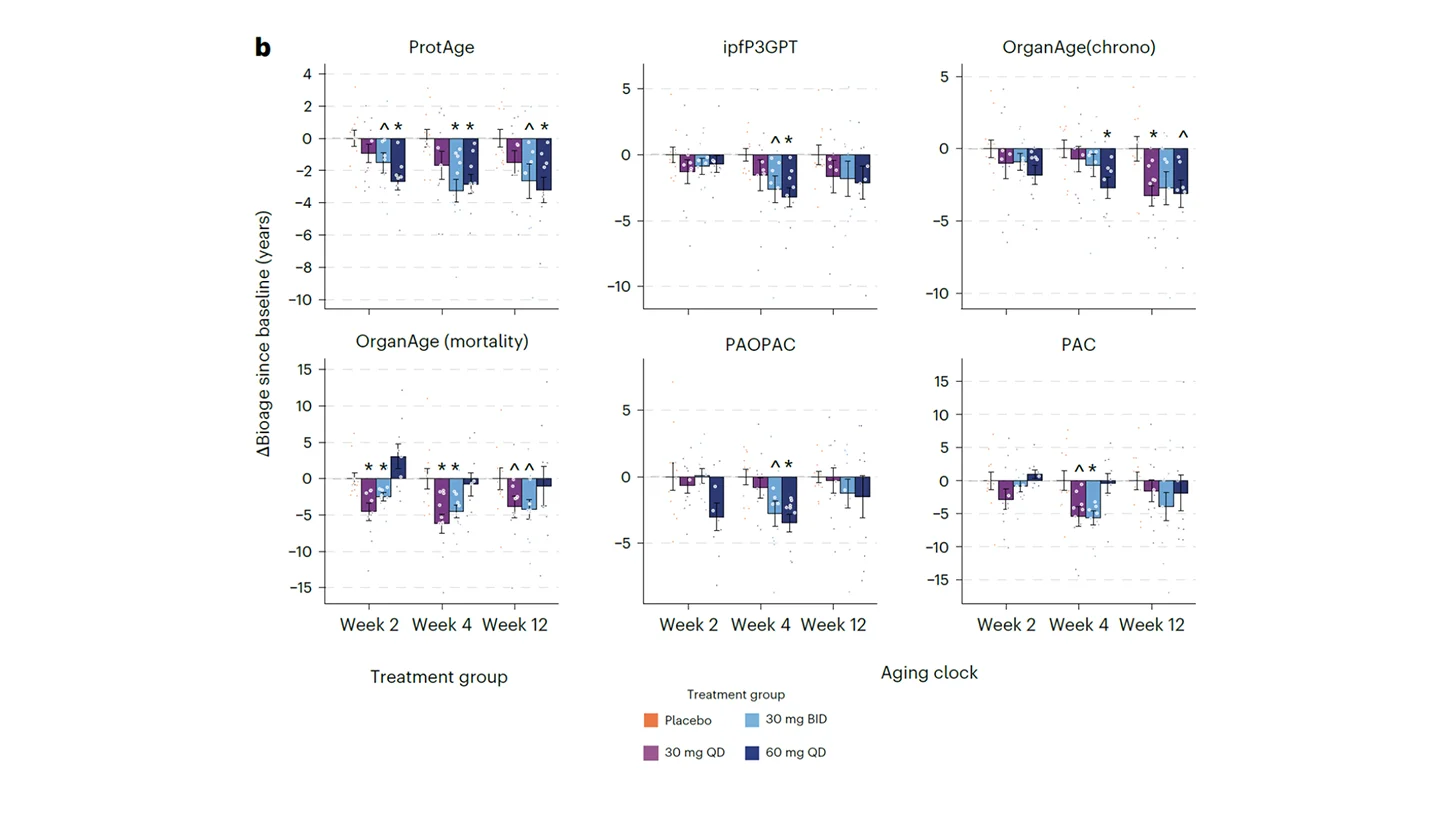
Insilico Medicine published an exploratory analysis in Nature Biotechnology showing rentosertib shifted blood markers toward younger age estimates in 42 IPF patients.
Why it matters
At week four, patients on 60 mg once daily showed estimated age reductions of 2.71 to 3.46 years across four clocks, but the analysis cannot prove the drug slows aging.
What to watch
The findings hinge on whether larger studies show durable lung-function benefit and acceptable safety; 16 participants discontinued treatment, with liver toxicity and diarrhea among the leading reasons.
WHO IT HITSPeople with idiopathic pulmonary fibrosis (IPF) and their clinicians are most directly affected, as the lung-function result offers a concrete but early medical signal they would want validated in larger trials.
Summaries like this, every morning.
The September 7 study in Nature Biotechnology builds on the underlying Phase II-style trial that ran in China from July 2023 to June 2024. That trial's results, published in Nature Medicine in June 2025, provided the medical anchor — a concrete measure of lung function improvement. The new aging analysis adds a second, more speculative layer: using blood samples from 42 of those participants, six aging clocks estimated younger predicted profiles, but with uneven statistical support.
This research is notable because it connects an AI-discovered target and AI-designed molecule to human testing. The identification of TNIK as the target and the molecule designed to inhibit it offer a clear link between AI drug discovery and patient outcomes, something often missing in early AI hype. However, the authors themselves note that a protein associated with fibrosis, LTBP2, influences all six clocks, meaning the apparent aging signal could partly reflect the disease itself rather than a genuine aging effect.
The stakes are practical. For people with IPF, the question is whether rentosertib can deliver a durable, tolerable benefit. Sixteen patients discontinued treatment, and the trial was short and conducted in one country. The broader point is that AI-designed drugs still face the same evaluation hurdles as traditional candidates. A 2024 analysis found roughly 40% success in phase II for AI-native biotech pipelines, similar to historical averages. Whether this early signal translates into meaningful patient benefit will depend on larger, longer studies that can validate both efficacy and safety — the real test for AI's contribution to medicine.
Pick your industry and the AI tools you use, and get news related to your work every day.
Free · 30 seconds with Google · unsubscribe anytimeWhat is AIToday? →
Ask AI anything about this article. The AI reads this article, earlier AIToday articles, and Wikipedia, and cites its sources. Q&As are published on this page for other readers too.
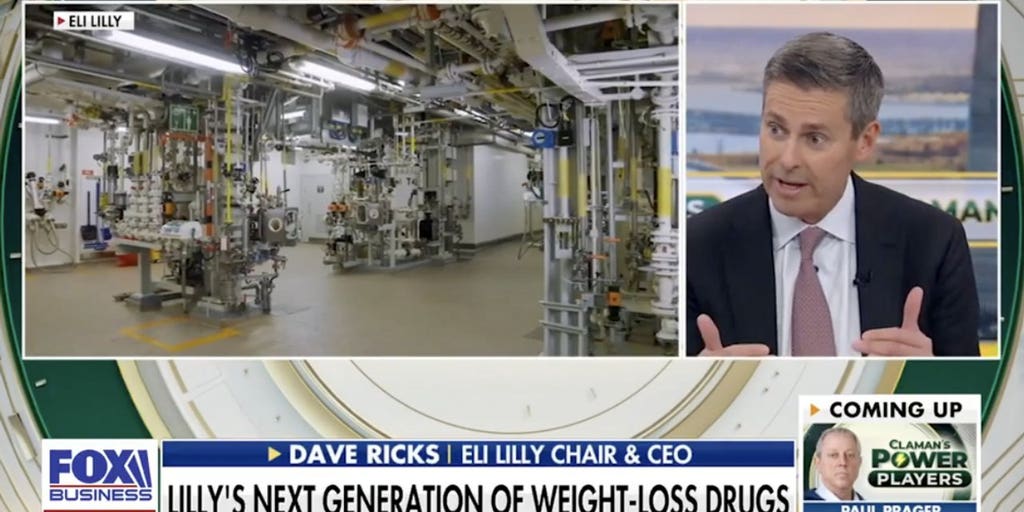
The Fox Business page titled around Eli Lilly's CEO and AI carries no reported remarks, only a video player an…
Fujifilm is using AI in antibody drug manufacturing at its CDMO business, monitoring culture medium compositio…

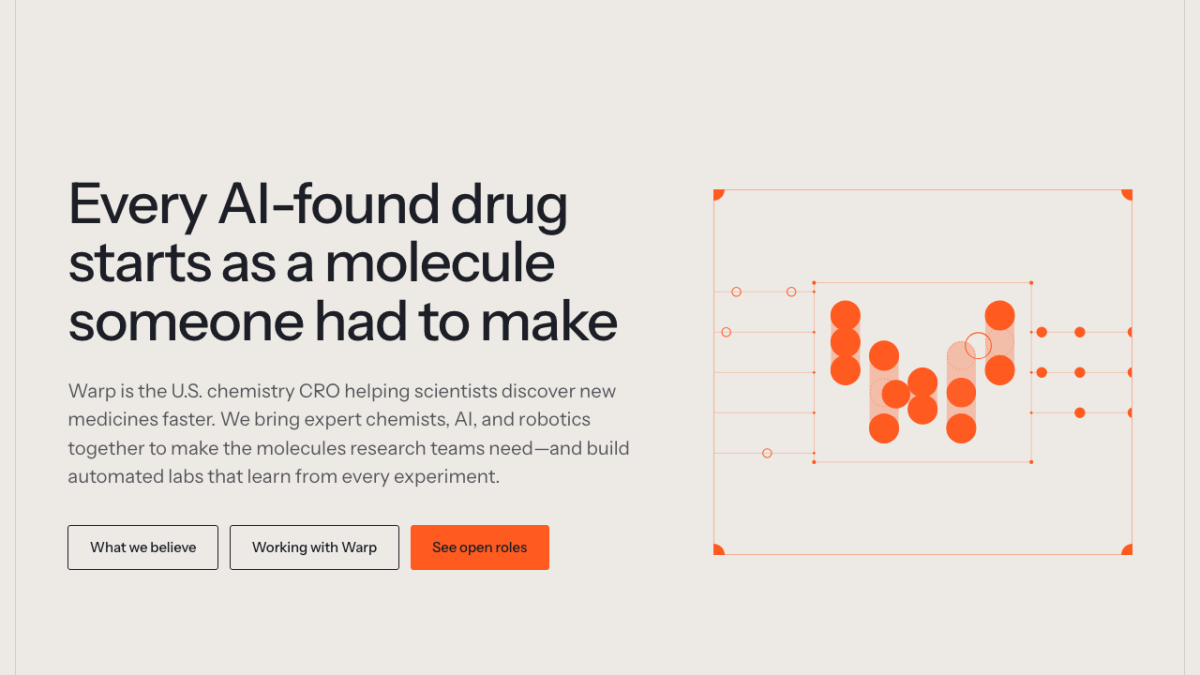
Warp Sciences, an AI-and-robot chemistry CRO led by ex-OpenAI product chief Kevin Weil, launched on the 22nd w…
Merck announced a collaboration with NVIDIA, Microsoft and Dawn Health to build an AI digital companion offeri…

Samsung Seoul Hospital rose to 4th in Newsweek's World's Best Smart Hospitals 2027, up from 15th a year earlie…

Goldman Sachs crowned Every Cure, a Frankfurt analyst team, winner of its 11th Analyst Impact Fund, awarding i…