What happened
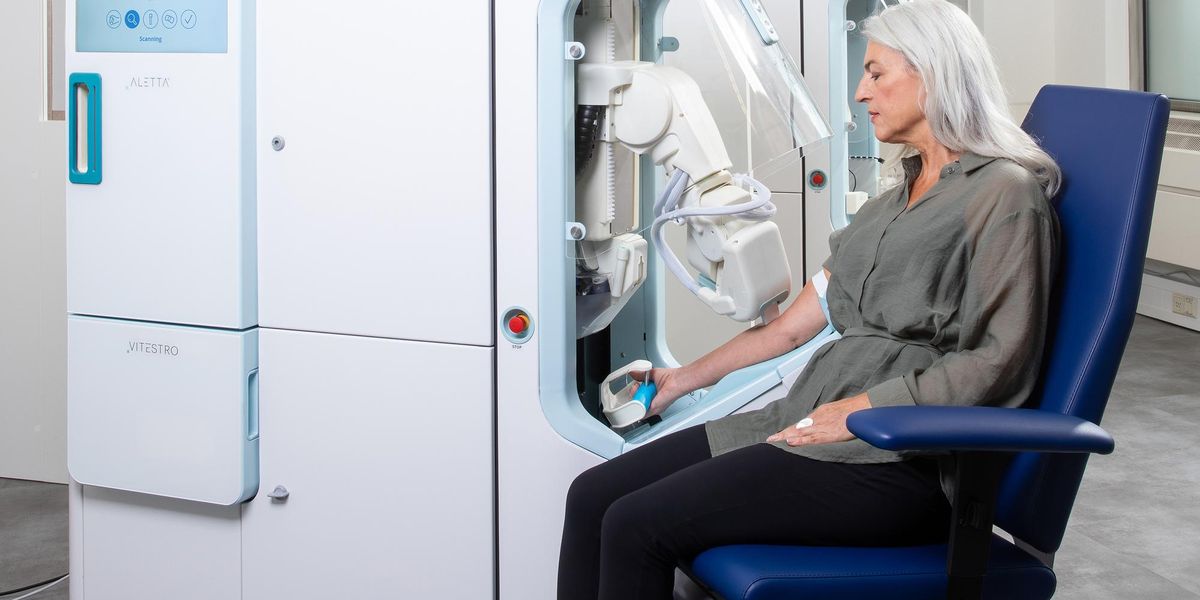
The U.S. Food and Drug Administration cleared Aletta, Vitestro's autonomous blood-draw robot, on 19 August for use on adults outside hospitals.
Why it matters
Aletta succeeded on the first attempt in 94.5 percent of cases in a Dutch trial, and one phlebotomist can supervise up to three machines, easing staffing shortages.
What to watch
The device still fails in about one in 20 cases, and experts want evidence on skin-tone bias and sample quality before broader adoption.
WHO IT HITSHospital and clinical lab operators facing phlebotomist shortages can potentially raise testing capacity, but they will need to review evidence on sample quality and performance across skin tones before relying on it.
Summaries like this, every morning.
Aletta's clearance marks a milestone in robotic phlebotomy, a field explored for decades by academic groups and startups, though few reached commercial deployment. The device builds on prior research at Rutgers, and earlier attempts like VascuLogic did not survive, while companies like ROPHAI and MagicNurse continue work in the space. The FDA decision follows European regulators, who authorized the device two years earlier, giving Vitestro a head start in gathering real-world data.
A key question is whether Aletta's imaging works equally well for all skin tones, given the history of optical devices like pulse oximeters underperforming for people with darker skin. Vitestro argues its ultrasound sensor is "skin-tone agnostic" and cites unpublished data, but clinical chemists have called for independent evidence. Additionally, sample quality beyond red blood cell damage remains to be rigorously tested, with a U.S.-based trial planned next year.
The stakes are concrete for clinical labs struggling with nearly 25 percent annual turnover among phlebotomists. If Aletta can consistently free up staff, it could address long-standing capacity bottlenecks. But broader adoption likely hinges on whether Vitestro can provide the kind of published, independent data that addresses the concerns raised by experts in this report.
Pick your industry and the AI tools you use, and get news related to your work every day.
Free · 30 seconds with Google · unsubscribe anytimeWhat is AIToday? →
Ask AI anything about this article. The AI reads this article, earlier AIToday articles, and Wikipedia, and cites its sources. Q&As are published on this page for other readers too.
Warp Sciences, an AI-and-robot chemistry CRO led by ex-OpenAI product chief Kevin Weil, launched on the 22nd w…
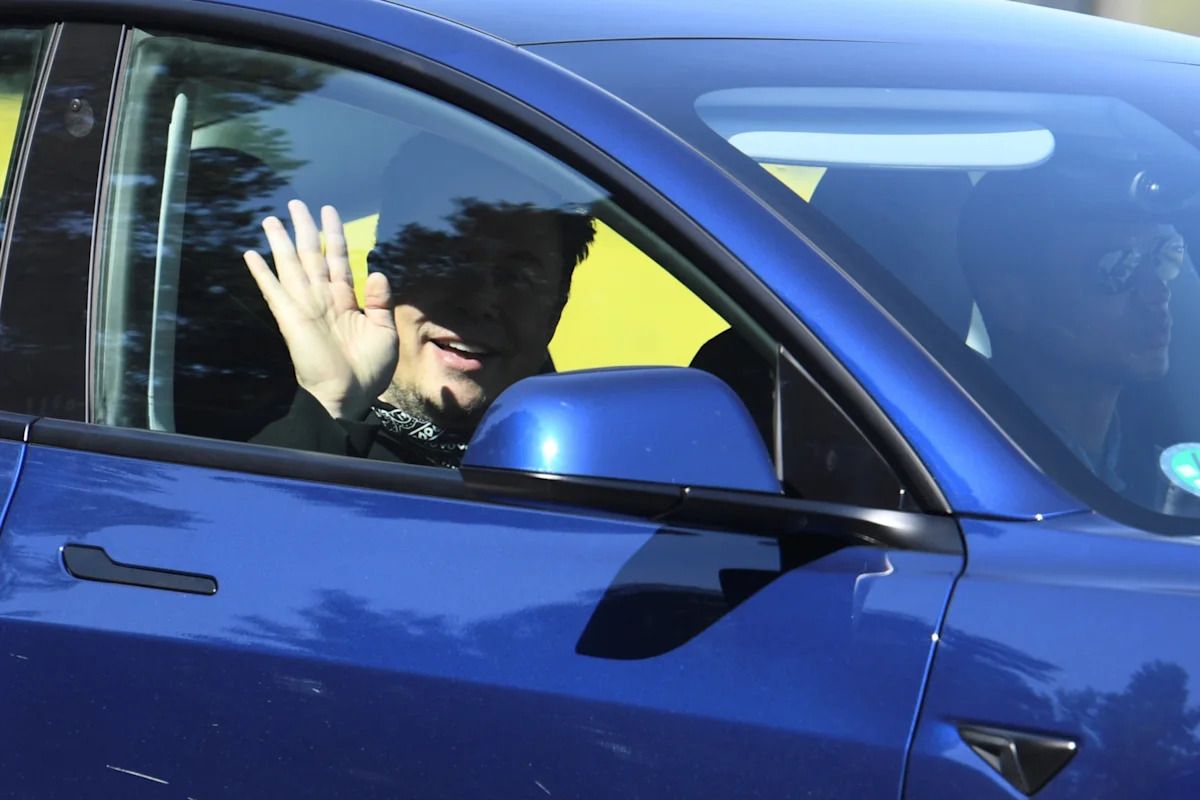
Tesla cut its 2026 capex guidance by $5 billion to $20 billion, just three months after lifting it by $5 billi…
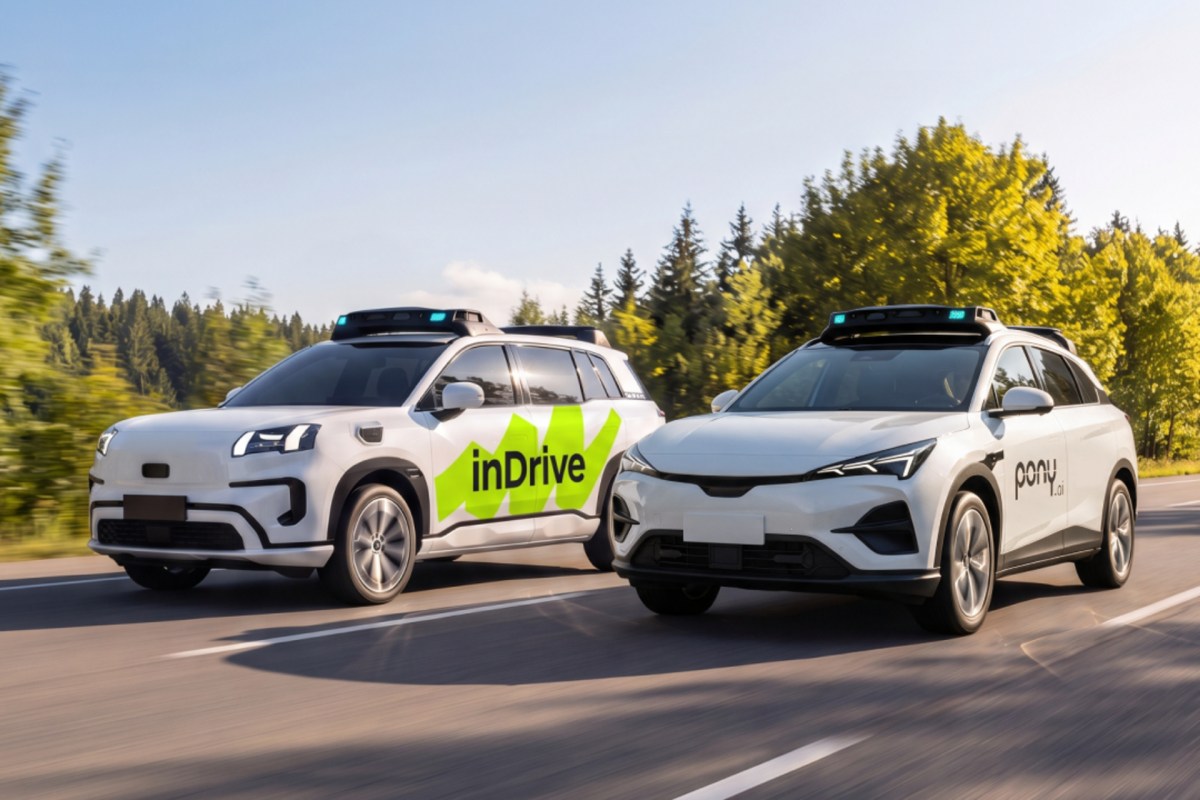
inDrive, Pony.ai and Nvidia signed a memorandum of understanding to test Pony.ai's Gen-7 robotaxis in Astana…
MIT researchers put 13 Eko agents, each running on Claude Opus 4.7, alone on a simulated desert island for 30…

Merck announced a collaboration with NVIDIA, Microsoft and Dawn Health to build an AI digital companion offeri…
FANUC will exhibit physical AI, CNCs and robots at JIMTOF 2026, in booth S2001