Anthropic has significantly loosened Fable 5's biology restrictions, cutting false positives by about 85 percent so users can now handle routine tasks like interpreting lab results and answering medical questions.
The company kept strict guardrails on dual-use research areas such as virology, toxicology, and molecular design, reasoning that biological risks cannot be contained like cyberattacks and that bad actors might gain otherwise unavailable capabilities.
What happened
Anthropic reduced false positives in Fable 5's biology safety filters by about 85 percent, allowing the model to handle far more biology tasks like interpreting lab results, understanding symptoms, and answering medical questions. Previously, nearly all biology queries were blocked and rerouted to the less capable Opus 5.
Why it matters
Scientists had criticized the blanket biology restrictions as too broad. The change lets researchers use Fable 5 for routine medical and lab work. Anthropic still blocks dual-use topics—virology, toxicology, and molecular design—because the company says these could give bad actors capabilities unavailable elsewhere, and biological risks like released viruses cannot be shut down the way cyberattacks can.
What to watch
Anthropic is building access programs so researchers can eventually use the restricted biology features, suggesting a path to controlled access for legitimate researchers in sensitive areas.
Ask the AI about this article →
Anthropic's decision to loosen biology restrictions on Fable 5 reflects mounting pressure from the scientific community against overly broad safety filters. The company had faced sharp criticism for blocking nearly all biology queries, forcing users to rely on the less capable Opus 5 model instead. By tuning its classifier to let benign queries through while maintaining blocks on sensitive dual-use research, Anthropic is attempting to balance utility with safety—a persistent tension in AI governance.
The company's rationale for maintaining strict controls on virology, toxicology, and molecular design rests on a concrete threat assessment. Anthropic cites evidence from U.S. intelligence agencies, analysis of ChatGPT conversations seeking bioweapon instructions, joint warnings from researchers, and a Stanford project that used AI to design fully synthetic viruses. Unlike cyberattacks, which can be contained or reversed, a released virus presents an uncontrollable risk. This distinction underpins Anthropic's decision to keep guardrails in place even as it opens access to routine biology work.
For example, today's edition would include:
AI-summarized, only the topics you pick — one digest a day via Email, Slack, or Discord.
Free · takes 30 seconds · unsubscribe anytimeWhat is AIToday? →
Ask AI anything about this article. Q&As are published on this page for other readers too.
CBTS Technology Solutions LLC launched Forge Agents, a platform that turns a plain-language job description in…

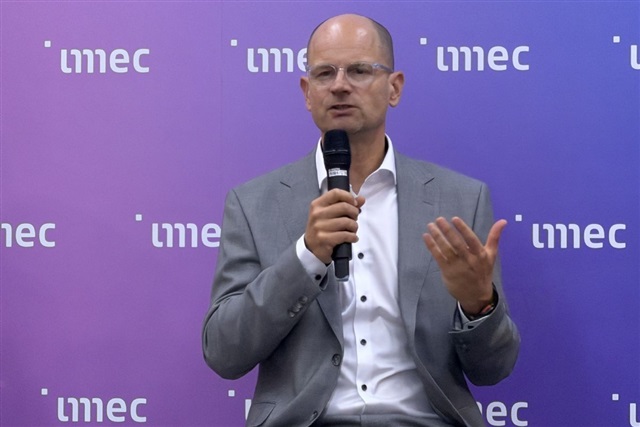
Imec CEO Patrick Vandenameele said at SEMICON Taiwan 2026 that the Belgian research center is broadening its c…
Alphabet's AI Overviews now reach over 2.5 billion monthly users through Google Search, and its ad business ge…
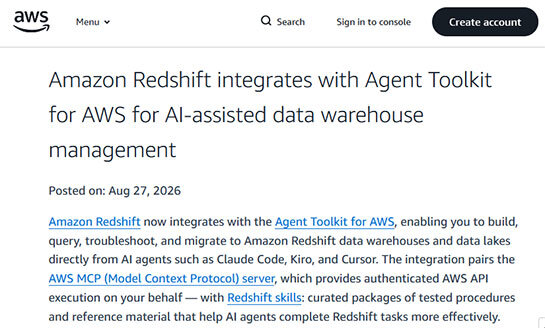
Amazon Web Services (AWS) has integrated its fully managed data warehouse service, Amazon Redshift, with Agent…
Visual Studio Code 1.135 now includes an experimental 'Rubber Duck' feature that lets developers request a sec…
Sonos announced a new app update with generative AI features, a new soundbar called the Beam Ultra, and its se…