What happened
OpenAI released GPT-6.1 Terra on October 26 US Pacific time, with a 1,050,000-token context window, 128,000-token max output, and standard API pricing of $1.00 per million input tokens and $5.00 per million output tokens.
Why it matters
At half the standard token rates of its predecessor, Terra lets teams run tasks like image understanding, computer operation, and writing at lower cost per token, though actual savings depend on token usage per job.
WHO IT HITSEngineering and finance teams building on the OpenAI API gain a cheaper high-volume option for document, image, and screen-operation tasks, but they will need to re-measure cost per completed job rather than trust the token price alone.
Summaries like this, every morning.
GPT-6.1 Terra arrives the day after OpenAI's Day 21 notice, which reset usage quotas for Codex and ChatGPT Work. The company framed the reset and the model release as separate actions: the reset restores quota, while Terra changes what that quota can accomplish.
The model's benchmark results are the main evidence OpenAI offers for that claim. On Terminal-Bench 4.0, at maximum reasoning effort, Terra scored 50.3% versus 21.5% for GPT-5.6 Terra, a 28.8-point gain. OpenAI also reports a drop in error rate on its internal benchmark of difficult questions, from roughly 22.3% to 4.3% at maximum effort. Both figures come from OpenAI's published evaluations, not from independent reproduction.
For teams planning adoption, OpenAI's own guidance puts Terra in the middle of a four-model lineup: Luna for simple bulk tasks, Sol for complex code and business decisions, and Astra for the hardest research and design work. The practical question is whether Terra's lower per-token price holds when measured against total task cost, including retries and tool calls.
Pick your industry and the AI tools you use, and get news related to your work every day.
Free · 30 seconds with Google · unsubscribe anytimeWhat is AIToday? →
Ask AI anything about this article. The AI reads this article, earlier AIToday articles, and Wikipedia, and cites its sources. Q&As are published on this page for other readers too.
Google previewed Genie 4, an AI model that builds interactive 3D worlds from text descriptions, adding audio l…

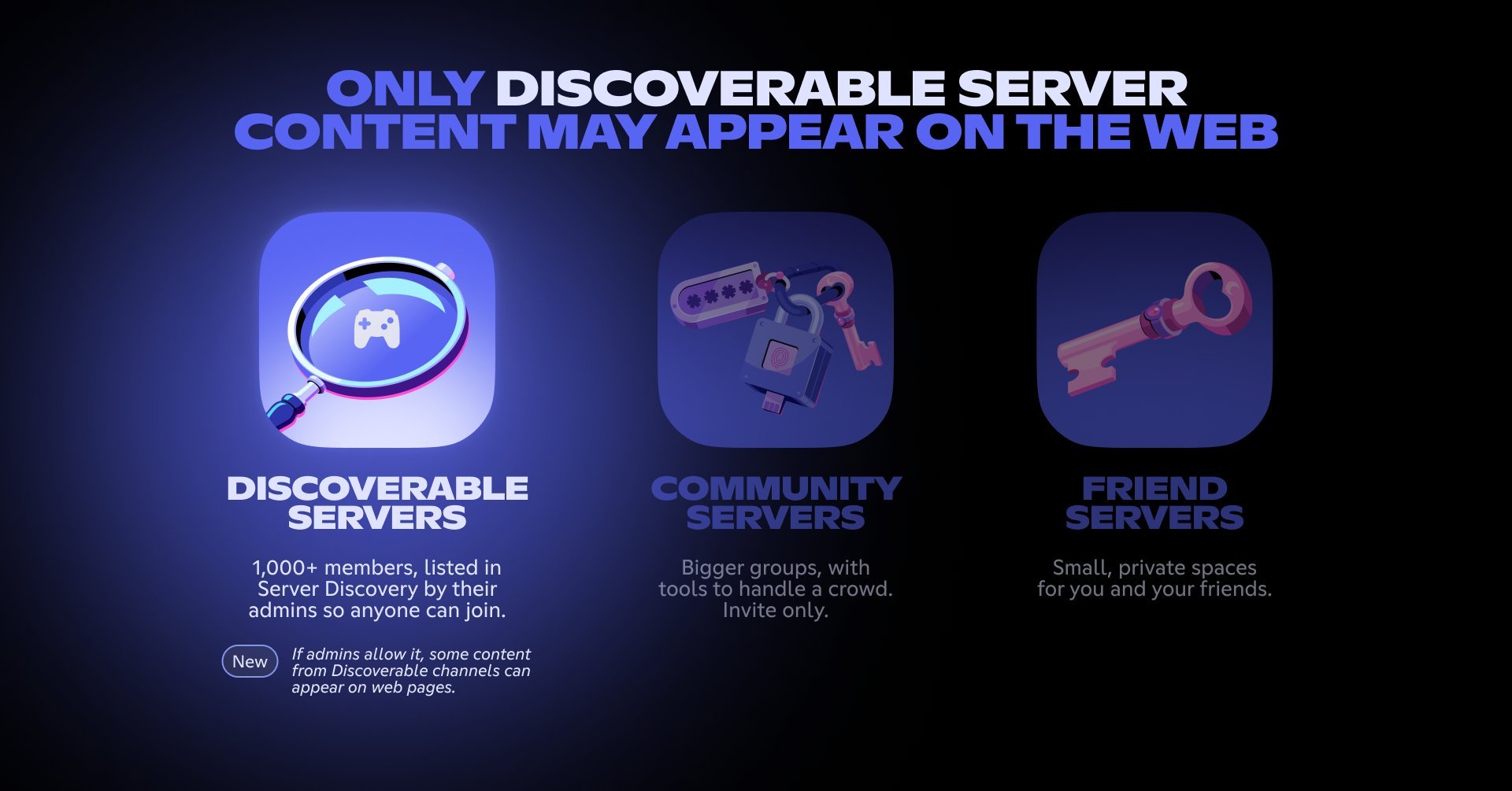
Discord said AI summaries of public channels go live November 16, and posted message text becomes searchable f…
Anthropic released its S-1 on Monday targeting a valuation of around $2 trillion and disclosed $16.8 billion i…

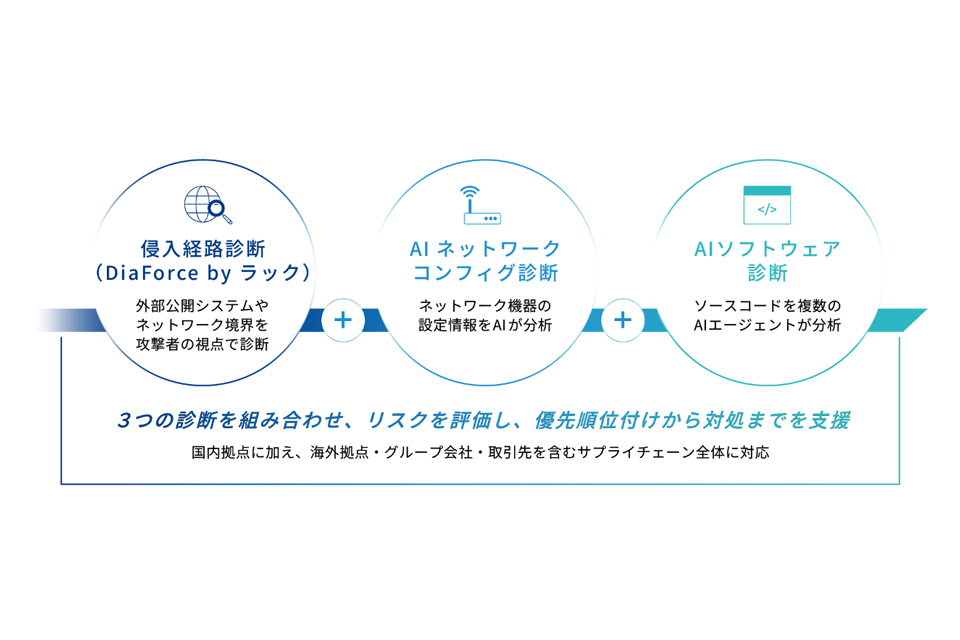
KDDI, with KDDI Research and LAC, began offering an "AI Vulnerability Management Solution" on October 28 that…
Meta announced Muse on September 8, 2026, an agent that plans tasks, uses a dedicated Muse Secure VM browser…
OpenAI marked Day 19 of its 28-day update run on October 24, 2026, releasing Codex CLI 0.164.0 and changing Co…