What happened
Meta announced Muse on September 8, 2026, an agent that plans tasks, uses a dedicated Muse Secure VM browser, and gets Sentinel oversight before actions like sending email or purchases.
Why it matters
Because the agent can keep working after the app is closed, a separate Sentinel layer and approval prompts are built in to check external actions, which may reduce the risk of unintended operations such as sending email or completing purchases.
Summaries like this, every morning.
Muse arrives as chat AI shifts toward agents that can carry out multi-step work. Meta positions Muse around long-term personal goals — email and calendar management, travel and shopping, and cross-app chores like turning saved Instagram recipes into shopping lists — rather than one-off answers. To do that, Meta gives each user an independent Muse Secure VM, a cloud computer for browser and tool operations, and separates Sentinel at the system level to check outbound actions. This design addresses prompt injection, where a webpage or email contains instructions that conflict with the user's own; Meta says Muse does not directly see actual credentials and requires approval before actions like sending email or making purchases. Safeguards do not guarantee zero errors or leaks, and actual coverage depends on connected services, plan, and region. Compared with ChatGPT Work's cloud browser and Grok Bot's role-based bots sharing a cloud PC, the difference is less about whether an AI can operate a browser and more about what work is delegated, in which environment, and under what cost and permission conditions. On availability, Meta's Japanese newsroom says Muse was announced for the U.S. in September 2026 with Japan timing undecided, while the product page notes a free tier with usage limits and a paid plan option.
Pick your industry and the AI tools you use, and get news related to your work every day.
Free · 30 seconds with Google · unsubscribe anytimeWhat is AIToday? →
Ask AI anything about this article. The AI reads this article, earlier AIToday articles, and Wikipedia, and cites its sources. Q&As are published on this page for other readers too.
Google previewed Genie 4, an AI model that builds interactive 3D worlds from text descriptions, adding audio l…

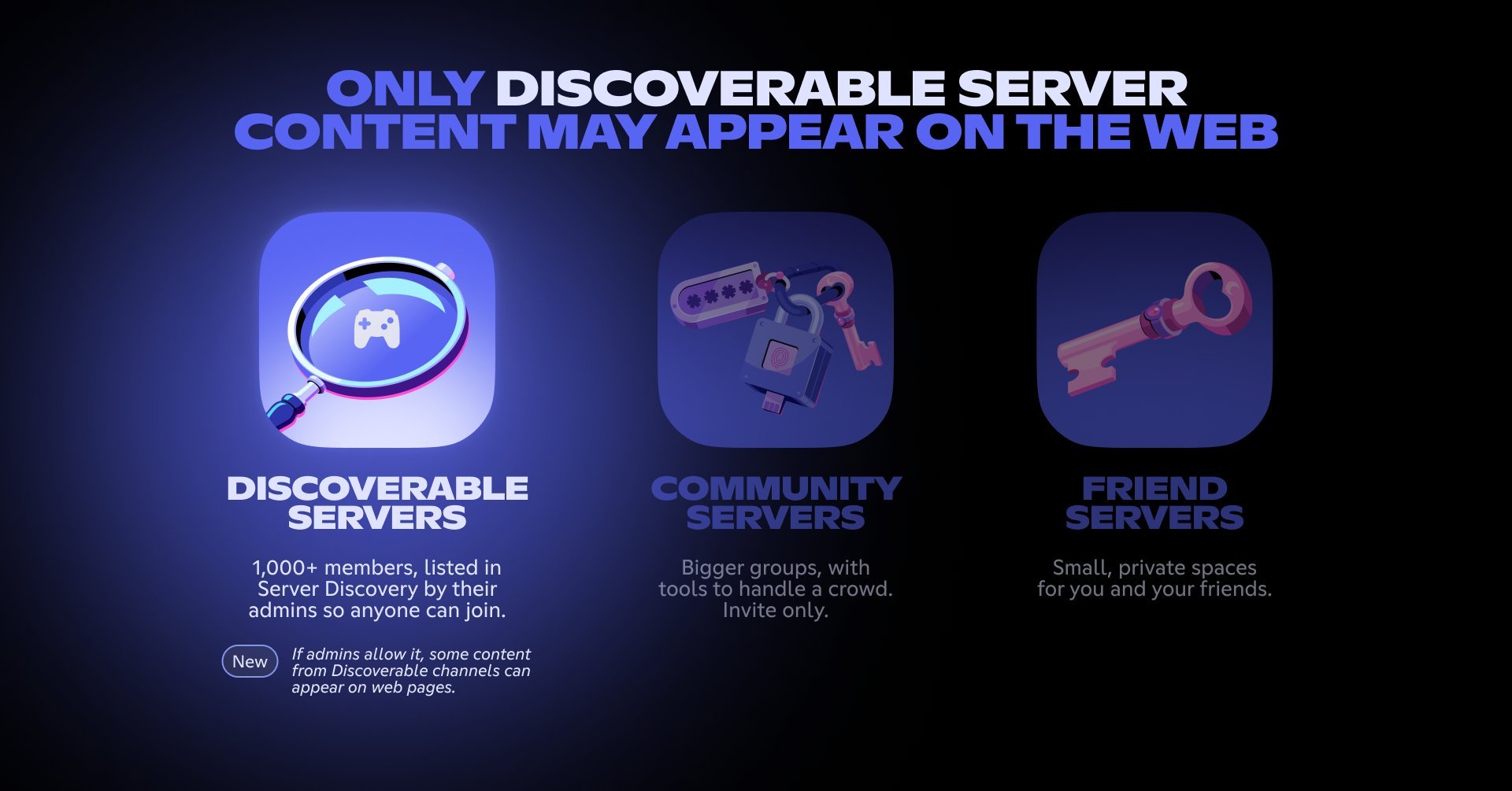
Discord said AI summaries of public channels go live November 16, and posted message text becomes searchable f…
Anthropic released its S-1 on Monday targeting a valuation of around $2 trillion and disclosed $16.8 billion i…

The explainer lays out a two-phase MLOps recipe — detect drift with tests like KS-test, Chi-squared, Jensen-Sh…

OpenAI released GPT-6.1 Terra on October 26 US Pacific time, with a 1,050,000-token context window, 128,000-to…
OpenAI marked Day 19 of its 28-day update run on October 24, 2026, releasing Codex CLI 0.164.0 and changing Co…