What happened
Google's Gemini dropped from 12 percent to 1.9 percent market share in July 2026 according to Pangram's analysis of AI model usage, while OpenAI has held over 50 percent every month since tracking began and Anthropic climbed from 4.3 to 14.9 percent.
Why it matters
The decline appears consistent across multiple independent tracking sources—Pangram, OpenRouter, and Similarweb—all showing reduced Gemini usage despite Google's claim of one billion monthly Gemini App users. The shift may relate to the recent leadership shakeup at Google DeepMind, where several senior figures including Demis Hassabis have departed.
What to watch
While each data source has blind spots (Pangram focuses on writing tasks where Gemini has historically underperformed; OpenRouter skews toward open-weight models; Similarweb ignores mobile apps), all three tell the same story: people are using Gemini less.
Summaries like this, in your inbox every morning.
Gemini's sharp market-share decline reflects a reversal in Google's AI positioning despite the company's massive user-base claims. The collapse from 12 percent to 1.9 percent in a single month is striking, especially given Google's announcement of one billion monthly Gemini App users—suggesting that either monthly active users is a poor measure of real engagement, or that the usage tracked by Pangram, OpenRouter, and Similarweb represents a different (and perhaps more indicative) slice of the market. Anthropic's gains into technical and scientific fields and OpenAI's consistent dominance (over 50 percent every month) point to a clear user preference for these competitors in high-value tasks.
The data sources themselves acknowledge their limitations: Pangram's focus on writing tasks inherently disadvantages Gemini, which has historically trailed in this domain; OpenRouter's bias toward open-weight models; and Similarweb's exclusion of mobile-app usage all suggest the true picture is more nuanced. Yet the consistency across three independent sources measuring different usage patterns is telling. The recent departure of senior figures from Google DeepMind, including Demis Hassabis, may reflect organizational strain connected to this market loss, though the body does not establish causality between the leadership changes and the market-share drop.
Pick your industry and the AI tools you use, and get news related to your work every day.
Free · 30 seconds with Google · unsubscribe anytimeWhat is AIToday? →
Ask AI anything about this article. The AI reads this article, earlier AIToday articles, and Wikipedia, and cites its sources. Q&As are published on this page for other readers too.
In Q2, billionaires or their funds sold six 'Magnificent Seven' AI stocks
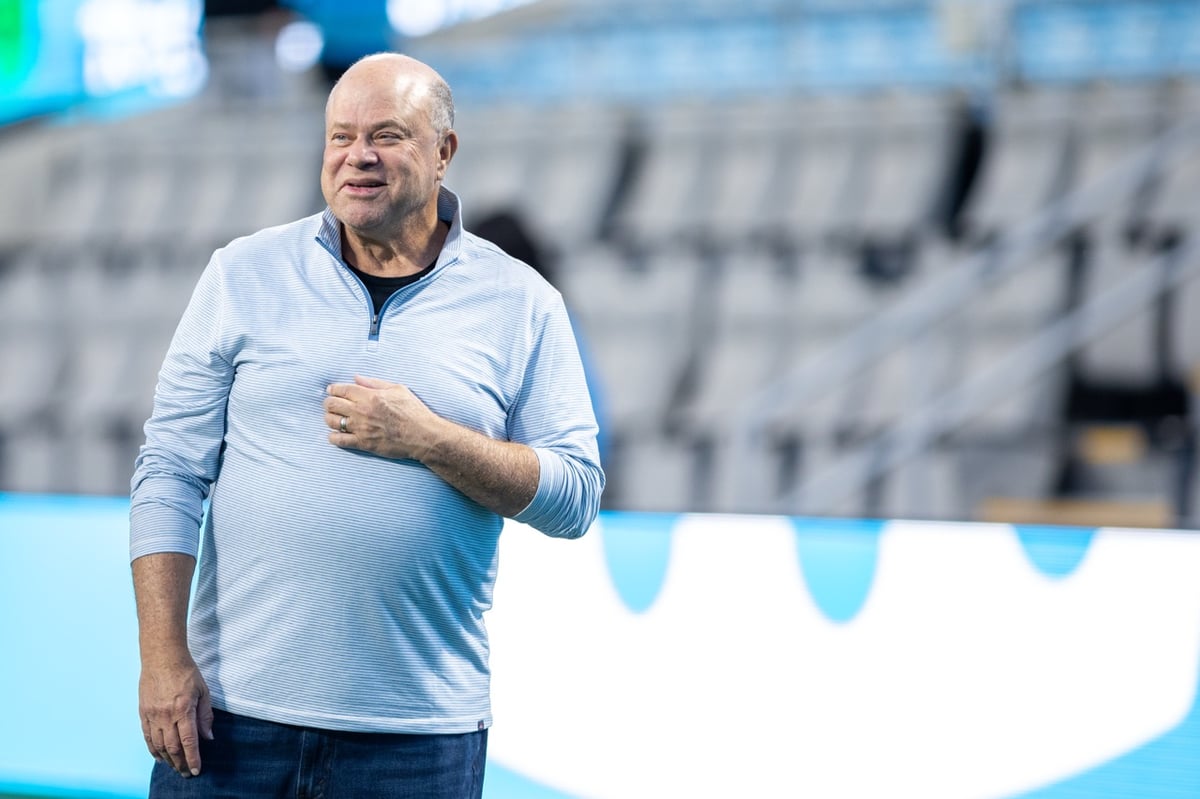
Nvidia was rising early Friday, even as the wider chip sector kept falling, Barron's reported
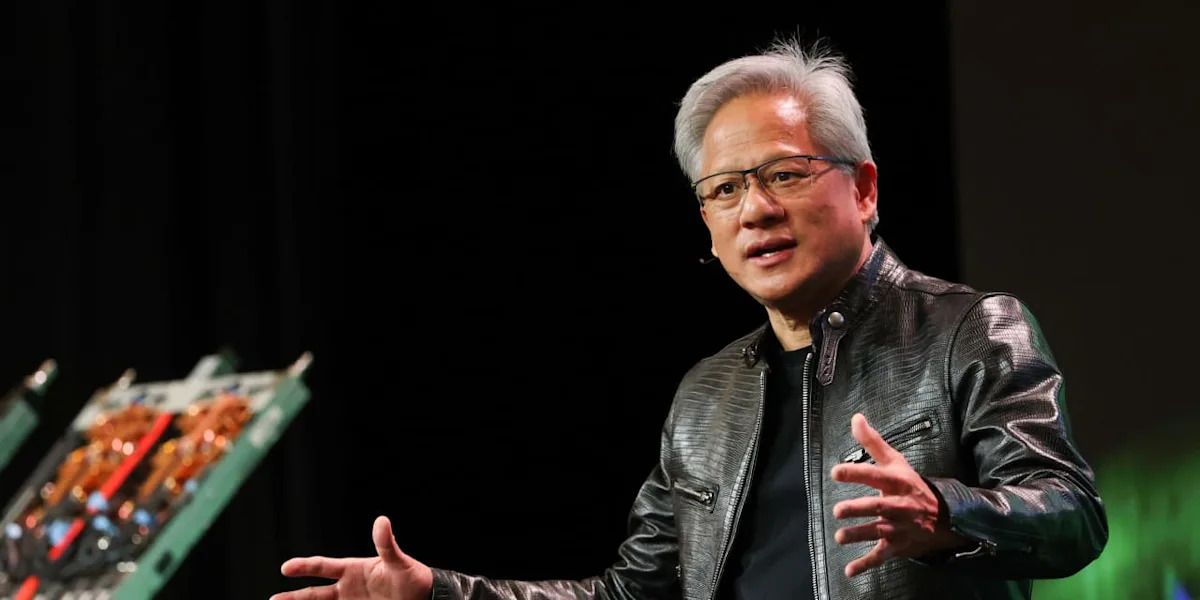
ElevenLabs completed a $300 million employee tender at a $22 billion valuation, and co-founder Mati Staniszews…

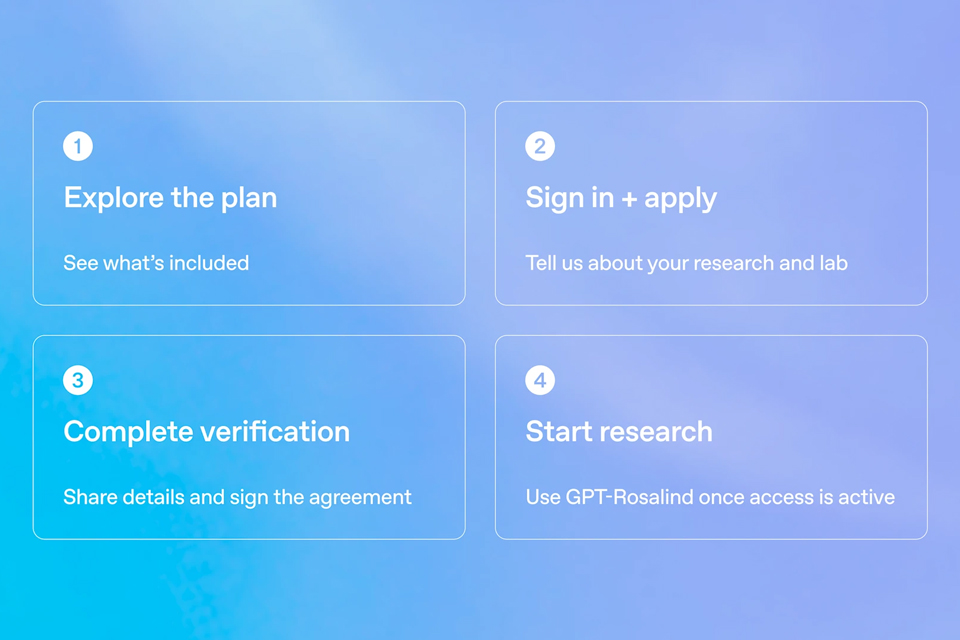
On October 15, OpenAI announced the Rosalind Academic Plan, giving approved US university labs free access to…
Neostellar Capital principal Evan Schlossman said CoreWeave's $103.7 billion in remaining performance obligati…
A Qiita article compared automated red-teaming methods for LLM apps — GCG, PAIR, and TAP — using mock implemen…


