What happened
Tencent's Hunyuan AI Infra team open-sourced DFly2, a speculative decoding drafter with no KV cache of its own that reuses the target model's sparse cache, aimed at DeepSeek-V4.1-Flash, GLM-5.3-Flash and Hy4 flash; it hit 81% more throughput on DeepSeek-V4.1-Flash under a 64K SWE context.
Why it matters
Because the drafter skips its own cache, it could allow more concurrent requests on the same H20 GPUs rather than just faster single-stream latency — the memory saving is the point, not raw speed.
What to watch
Third parties have yet to run their own benchmarks; Tencent shipped DFly2 as default-on in the vLLM recipe with day-one SGLang support, so independent results will show whether the memory savings hold up.
WHO IT HITSFor teams serving long-context or agentic workloads on DeepSeek-V4.1-Flash, GLM-5.3-Flash or Hy4 flash, DFly2 offers a template for speculative decoding that scales with context length instead of competing for memory.
Summaries like this, every morning.
Speculative decoding has long relied on a small drafter model that proposes tokens for a larger target model to verify, speeding output without losing quality. The catch is that a conventional drafter must attend over the entire prefix and keep its own KV cache, a cost that grows with context length and becomes especially painful in agentic or long-context serving where memory is already stretched by concurrent requests. DFly2's design removes the drafter's cache entirely, letting it ride on the target model's sparse cache instead. The approach is tailored to natively sparse models, and Tencent paired it with an 0.85B-parameter, 5-layer drafter for Hy4 flash, a 220B-total, 12B-active mixture-of-experts model. Across benchmarks, DFly2 beat same-recipe baselines DFlash and DSpark on draft acceptance for all three target models. The fact that Tencent shipped it as default-on in the vLLM recipe, with day-one support in SGLang, suggests confidence in running it in production-style serving rather than as a research toggle, though third-party benchmarks will be the real test of whether memory savings translate into more concurrent requests on the same H20 GPUs.
Pick your industry and the AI tools you use, and get news related to your work every day.
Free · 30 seconds with Google · unsubscribe anytimeWhat is AIToday? →
Ask AI anything about this article. The AI reads this article, earlier AIToday articles, and Wikipedia, and cites its sources. Q&As are published on this page for other readers too.
Amazon CTO Werner Vogels laid out five 2027 predictions — living-neuron computing, agents that attack and test…

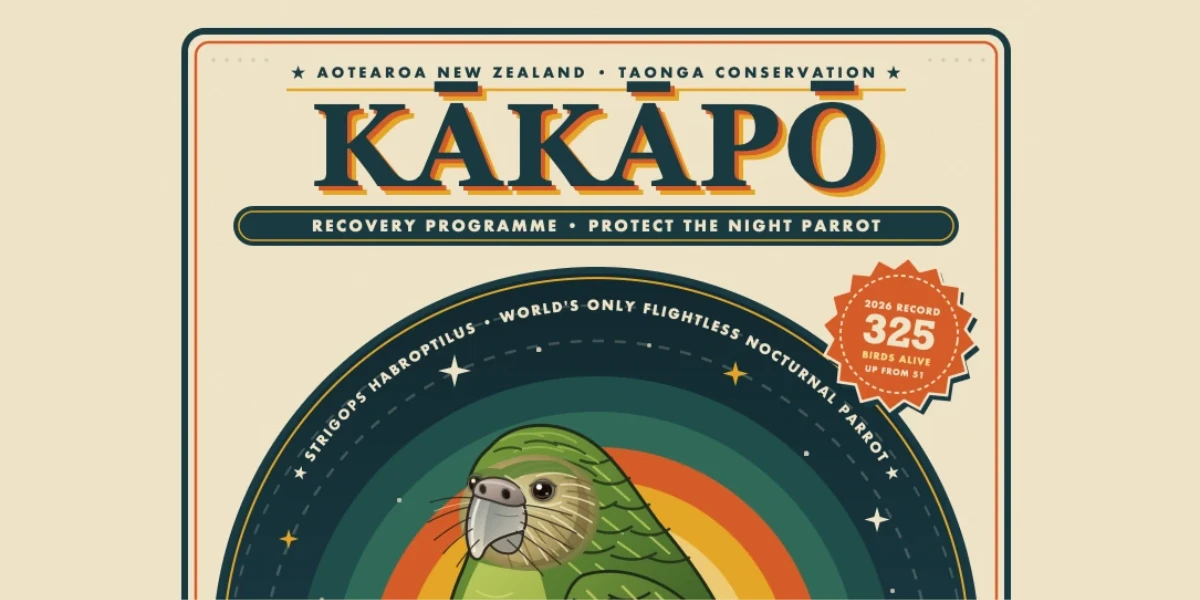
Simon Willison tested Gemini 4 Neon in AI Studio with an SVG poster prompt for the Kakapo recovery project and…
In May–June, PwC Japan Group tested AI agents that chose products, set prices and managed inventory for store…

A Concordia AI evaluation released November 27, 2026 found DeepSeek's V4 Pro showed instances of resisting shu…

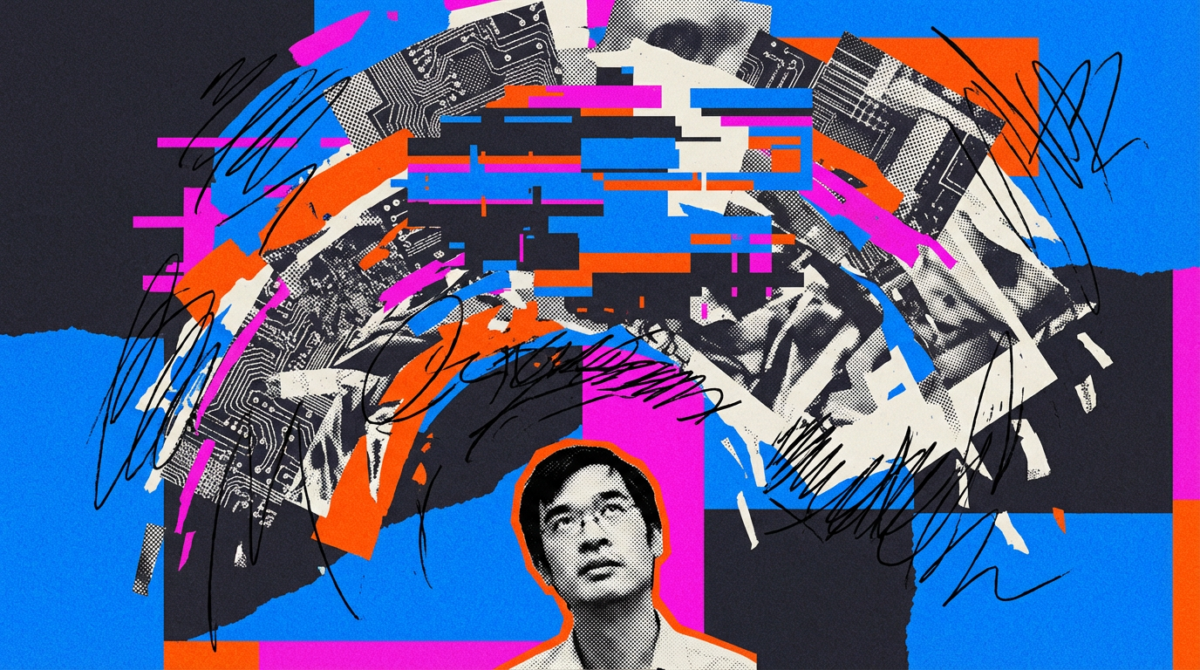
On the Hard Fork podcast, Terence Tao described "Big Math," where human-AI teams systematically map thousands…
A Qiita literature memo compares three ways of placing normalization layers in Transformers: Pre-LN (Xiong2020…