
What happened
Gartner presented findings on August 27, 2026, at its Digital Workplace Summit. A survey of business leaders found that while 62.3% say they actively pursue digital upskilling, 55.1% of employees are dissatisfied with their company's efforts.
Why it matters
Many firms invest in training but see poor results because programs are disconnected from actual work and lack management support. Gartner notes that AI-era upskilling should focus on applying skills on the job, not just completing courses.
What to watch
Gartner advises embedding training into daily workflows, personalizing programs to employee levels, and measuring how work changes rather than completion rates. Management's own AI adoption is seen as increasingly important.
Summaries like this, every morning.
The findings come as companies race to build AI-related skills, but Gartner's research suggests a disconnect between intention and impact. While nearly two-thirds of leaders say they are actively pursuing upskilling, the majority of employees feel their efforts fall short. The core issue appears to be that training is often treated as a standalone event rather than integrated into daily tasks.
Gartner specifically points to the need for a more practical approach in the AI era, where learning happens while using AI at work, not just through formal courses. It also highlights that management's own engagement with AI matters—leaders who adopt AI themselves tend to see better results. This suggests the burden is not only on employees but also on managers to model and support continuous learning.
The implication for businesses is that they may need to rethink how they measure training success. Gartner advises moving beyond completion metrics to assessing whether work performance changes. As AI capabilities expand, the ability to apply new skills in real job contexts could become a key differentiator, though the article does not specify when such changes might occur.
Pick your industry and the AI tools you use, and get news related to your work every day.
Free · 30 seconds with Google · unsubscribe anytimeWhat is AIToday? →
Ask AI anything about this article. The AI reads this article, earlier AIToday articles, and Wikipedia, and cites its sources. Q&As are published on this page for other readers too.
OpenAI is discussing a $30 billion investment led by UAE backers with Coatue expected to join, valuing the com…
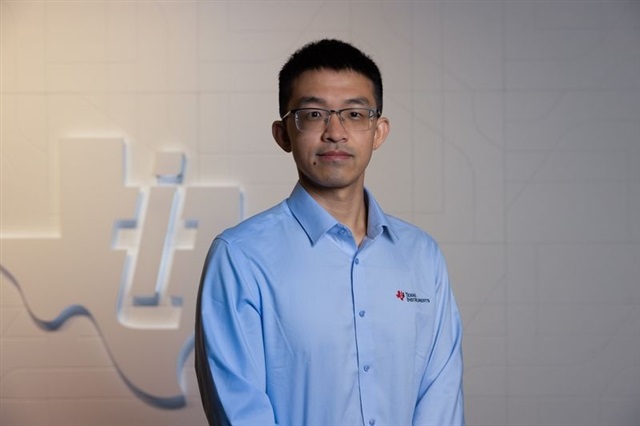
Patrick Zeng, TI's data center thermal management general manager, told DIGITIMES that liquid cooling will shi…
CoreWeave unveiled its Zero Trust AI Framework at Nvidia GTC, built around customer-controlled model, data and…

The Nasdaq tumbled on AI fears, while the Dow managed to hold onto gains, per Barron's Review & Preview

Treasury Secretary Scott Bessent dismissed "systemic" economic risks from the AI boom, the Financial Times rep…

Microsoft announced in September 2026 that Copilot now combines Chat, Cowork, Code and Autopilot in one interf…