What happened
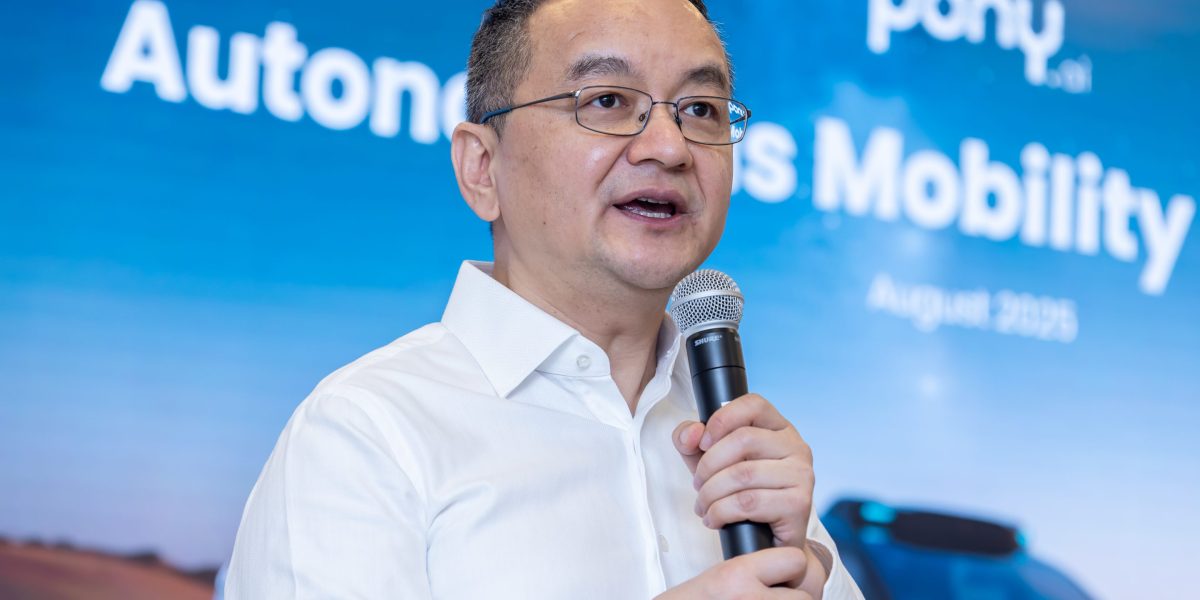
Pony.ai founder and CEO James Peng said at the Fortune Leaders Forum in Macau on Sept. 8 that robotaxis will be common worldwide within five years, asserting the technology problem is essentially solved.
Why it matters
Pony.ai averages about 25 rides per day per vehicle across commercial services in Beijing, Guangzhou, Shenzhen and Shanghai, showing robotaxi use is expanding beyond tech enthusiasts to diverse riders.
What to watch
Pony.ai's expansion hinges on regulatory environments and taxi market costs in new cities. Watch its Uber partnership to deploy more than 2,000 robotaxis across Europe and 200 to South Korea by 2028.
WHO IT HITSCity planners and urban policymakers may need to reconsider parking infrastructure and urban design if robotaxis become widespread. Riders in cities where Pony.ai expands could gain a new transportation option, while traditional taxi operators may face increased competition.
Summaries like this, every morning.
James Peng's prediction at the Fortune Leaders Forum comes as Pony.ai, founded in 2016, already operates commercial robotaxi services across four major Chinese cities. The company's average of about 25 rides per day per vehicle suggests usage is moving beyond novelty, with Peng emphasizing that riders span different age groups and professions, not just tech enthusiasts.
Pony.ai's international push includes an expanded Uber partnership to deploy more than 2,000 robotaxis across Europe and an agreement to bring 200 robotaxis to South Korea by 2028. Peng says he selects expansion cities based on relatively expensive taxi markets and favorable regulations, with Uber partnerships helping build trust with governments. Competitors WeRide and Baidu are also expanding abroad in Southeast Asia and Europe, while Peng credits China's "supportive" regulatory environment for the country's strength in autonomous driving.
The financial picture remains mixed: robotaxi revenue reached $12.1 million in Q2, up almost 700% year over year, yet the company still reported an operating loss of $65.7 million. The broader stakes involve urban transformation, as Peng argues robotaxis could reduce parking needs since most private cars are used only about two hours daily. The outcome likely hinges on whether cities adopt favorable regulations and whether economics improve enough to offset ongoing losses.
Pick your industry and the AI tools you use, and get news related to your work every day.
Free · 30 seconds with Google · unsubscribe anytimeWhat is AIToday? →
Ask AI anything about this article. The AI reads this article, earlier AIToday articles, and Wikipedia, and cites its sources. Q&As are published on this page for other readers too.
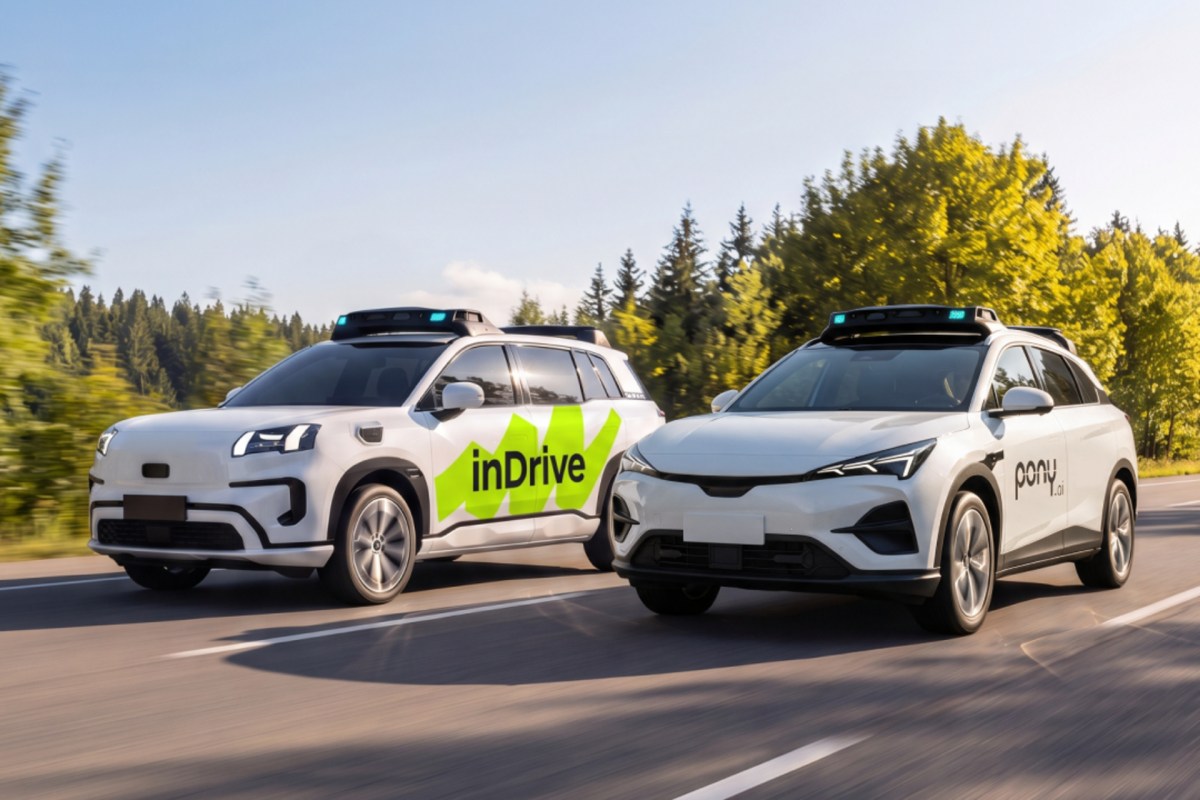
inDrive, Pony.ai and Nvidia signed a memorandum of understanding to test Pony.ai's Gen-7 robotaxis in Astana…
A Tesla car hit and killed a man on a highway while in automated driving mode
Tesla reported a mixed set of financial results in its third-quarter 2026 earnings, with its energy-storage bu…

Level 3 (L3) autonomous driving penetration in China is forecast to exceed 35% by 2030, supported by falling s…
KDDI developed an AI agent for 1対N remote monitoring in レベル4 autonomous driving

Tesla's third quarter showed its vehicle business regaining some per-car profitability, even as total sales st…