What happened
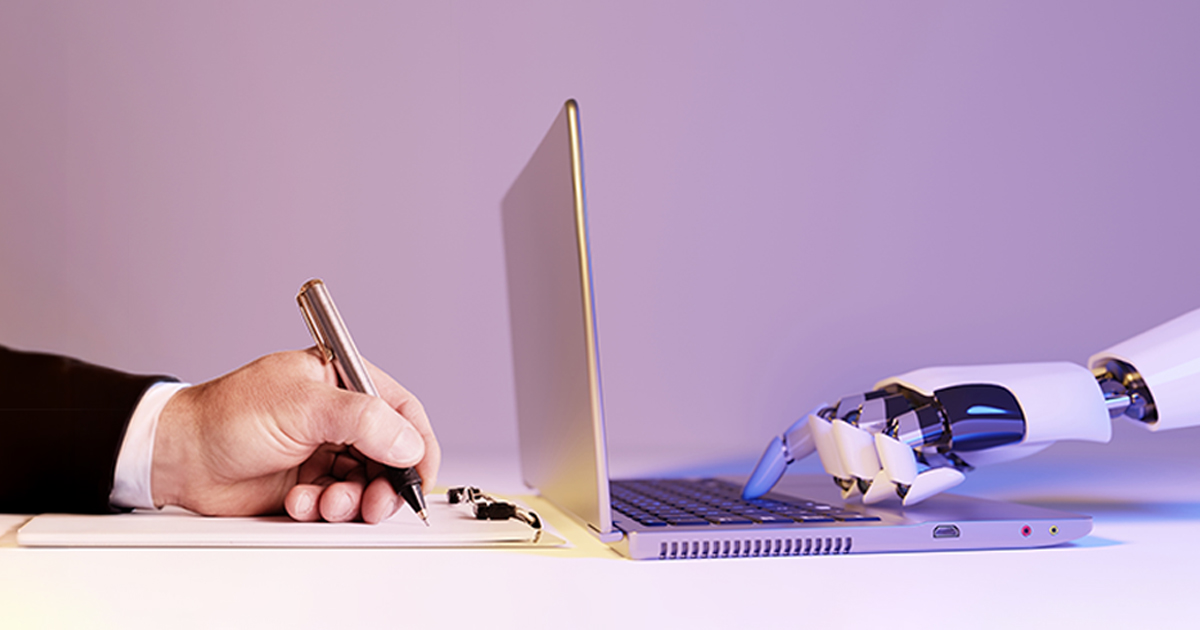
In a commentary, NRI managing director Akihiro Matsue says AI will progressively take over judgment and approval, and that executives must decide where AI's authority ends and human accountability begins.
Why it matters
Matsue argues a strict human-check design is warranted in compliance, human-rights and life-safety work, while tasks where speed and scale drive competitiveness benefit from bold delegation to AI.
Summaries like this, every morning.
Matsue's argument starts from a shift in what white-collar work has actually been: rule-based systems plus humans handling exceptions, judging quality and granting approval. He notes that this core is now being handed to AI in stages, and that the workplace manual itself is being displaced by AI agents that interpret situations and finish tasks on their own.
The commentary links that shift to a concrete observation in China, where Unitree's physical AI robots combined strong motion capability with conversational ability. What struck Matsue was less the hardware than the business layer around it: many companies competing on services built on those robots, with a horizontal division of labor emerging between robot manufacturers and service providers. He also cites an engineer's view that training physical AI robots first in simulation and then fine-tuning in the real world is safer and faster than training from the start in reality.
From there Matsue moves to management: because profitability and risk are two sides of the same coin, executives who keep human checks on every process forgo the productivity and speed gains, while those who over-rely on AI risk unpredictable failures that threaten business continuity. Defining a strategic boundary based on a company's strengths and risk tolerance, he writes, is what separates it from competitors — and requires an executive's resolve.
Pick your industry and the AI tools you use, and get news related to your work every day.
Free · 30 seconds with Google · unsubscribe anytimeWhat is AIToday? →
Ask AI anything about this article. The AI reads this article, earlier AIToday articles, and Wikipedia, and cites its sources. Q&As are published on this page for other readers too.
Berkshire's $363 billion stock portfolio now holds nearly $112 billion in AI-linked companies, about 31%, unde…
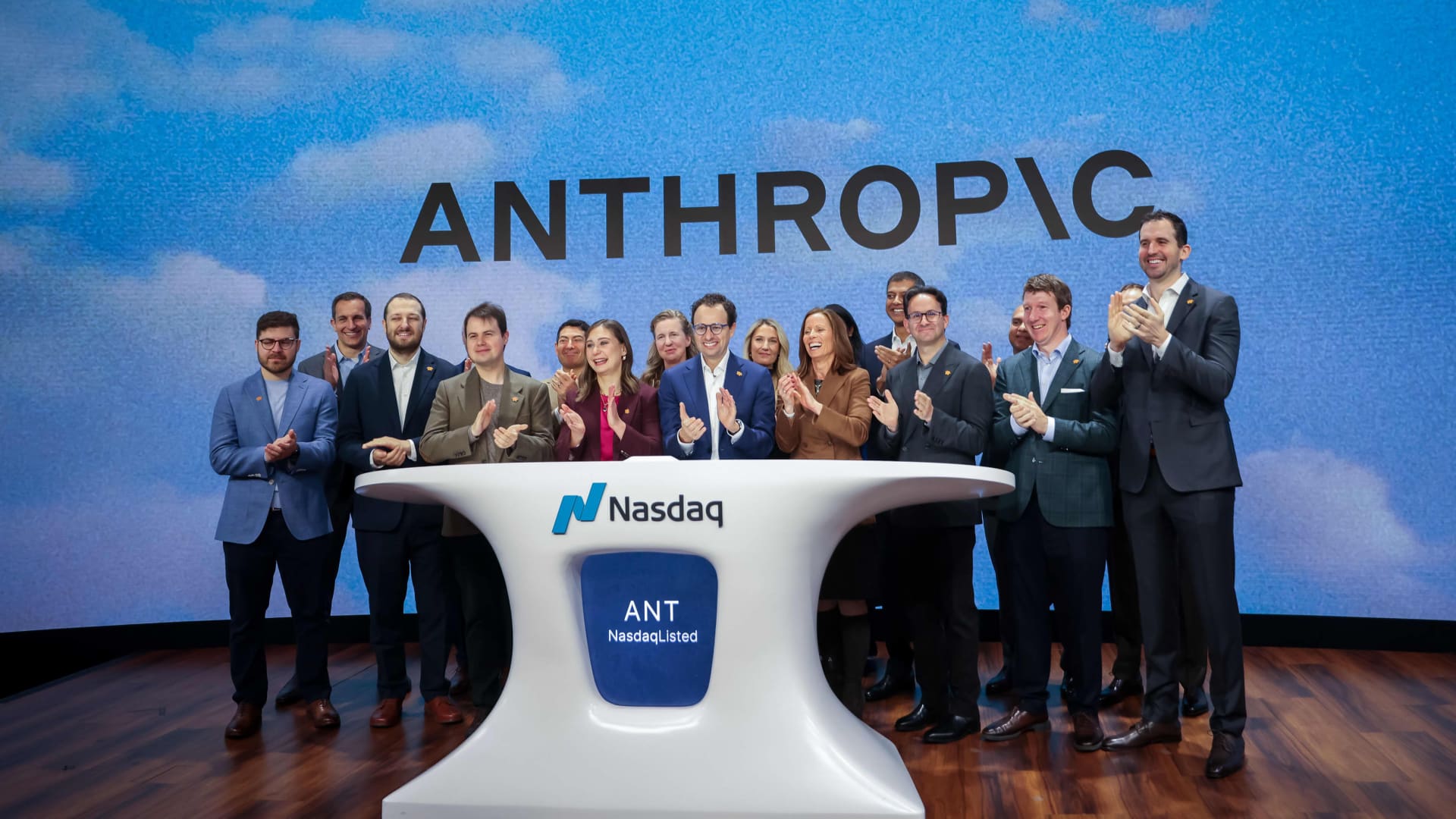
Anthropic shares fell 8.5% to close at $97.17 on Friday, down from the $111.50 opening price after the company…
Applied Materials, which supplies wafer fabrication equipment to Micron and to Nvidia's manufacturing partner…
Intel announced the 2026 winners of its AI Global Impact Festival, with six global awards going to student pro…

Meta is offering 25% off Ray-Ban Meta (Gen 2) and Oakley Meta HSTN, and 15% off select Meta Glasses and Oakley…

Home Depot says its Magic Apron AI assistant now fields millions of questions per month and is trained on prod…