What happened
London-based robotics startup morph emerged from stealth with backing from investors including 8VC, Copper, Qubit Health Capital, Valia Ventures, Blue Lion, Harvey Spevak (chairman of Equinox Group), and musician Pharrell Williams. The company has developed soft robotic cells that embed sensing and adaptive control directly into deformable materials, enabling real-time morphological change and stiffness adjustment.
Why it matters
morph's approach challenges the industry assumption that hardware and software can be developed separately. By integrating AI models and continuous learning directly into soft materials, the company aims to create robots that sense, adapt, and respond to their environment in real time—a shift that could make robotics safer for human interaction and more practical for environments beyond industrial warehouses. The use of soft, deformable materials also promises better manufacturing scalability and cost efficiency.
What to watch
morph is initially focusing on healthcare applications including athletic performance, injury prevention, and mobility support, with plans to scale across healthcare, automotive, and industrial safety. The company operates on a B2B model, positioning itself as a software, design, and fabrication partner for robotics developers working on problems that require deformable or soft components.
Summaries like this, in your inbox every morning.
Pick your industry and the AI tools you use, and get news related to your work every day.
Free · 30 seconds with Google · unsubscribe anytimeWhat is AIToday? →
Ask AI anything about this article. The AI reads this article, earlier AIToday articles, and Wikipedia, and cites its sources. Q&As are published on this page for other readers too.
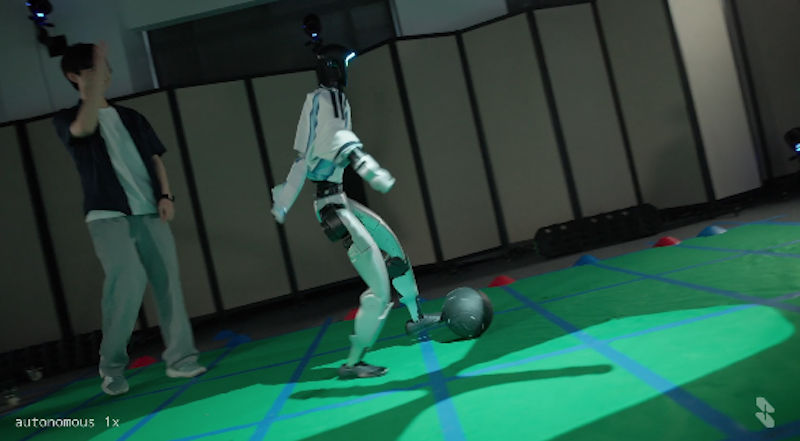
Skild AI used Nvidia Isaac Sim to give its S1 model one objective — score a goal — and let it compete against…
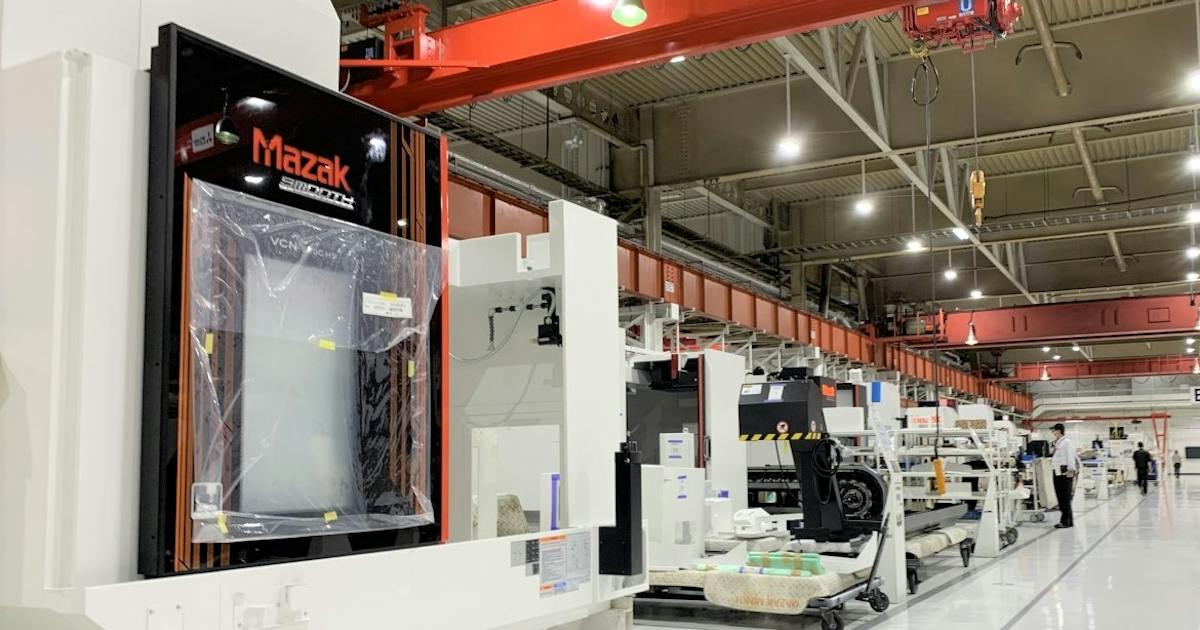
Yamazaki Mazak and ABEJA said on the 16th they will start joint development of physical AI, using ABEJA's ABEJ…
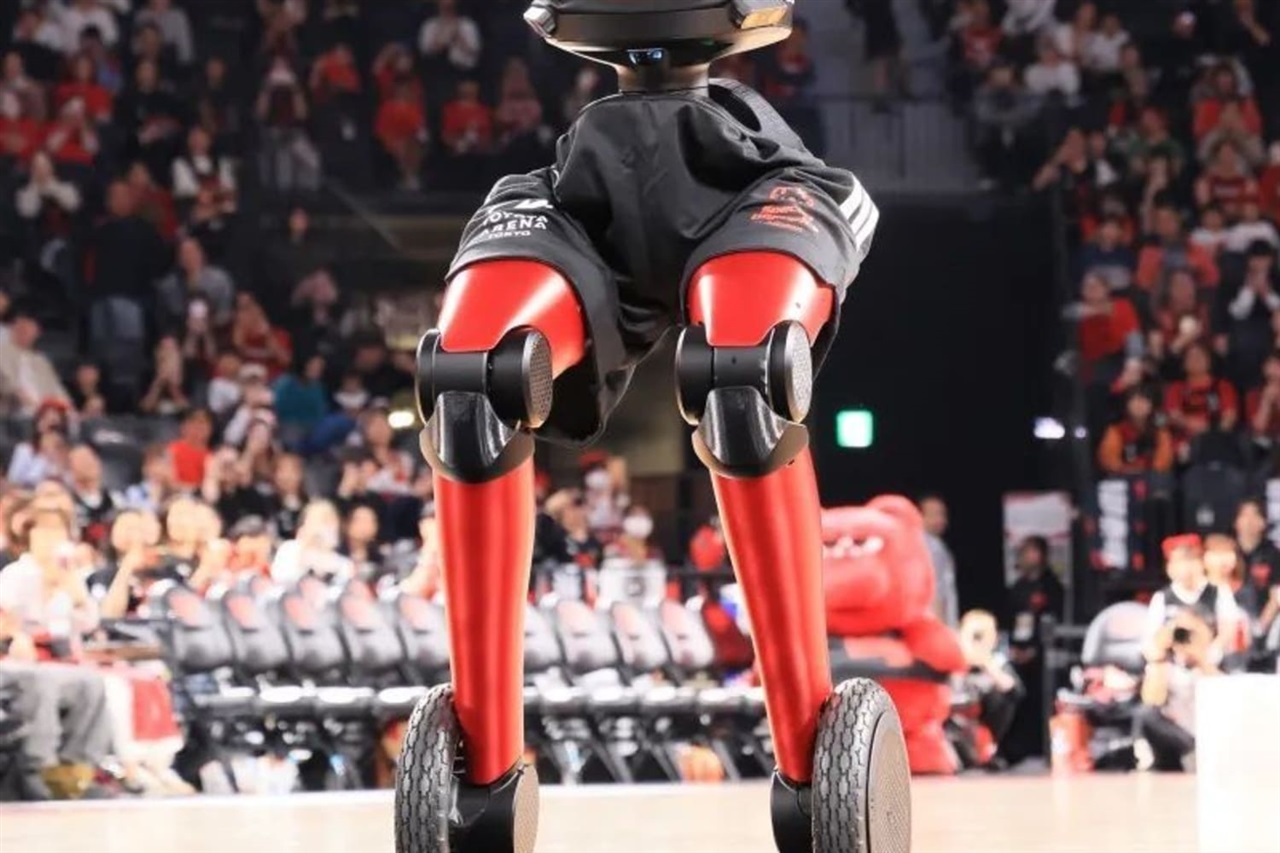
Toyota Motor's Japan Mobility Show Bizweek 2026 booth centers on its AI basketball robot CUE7, has no other ex…
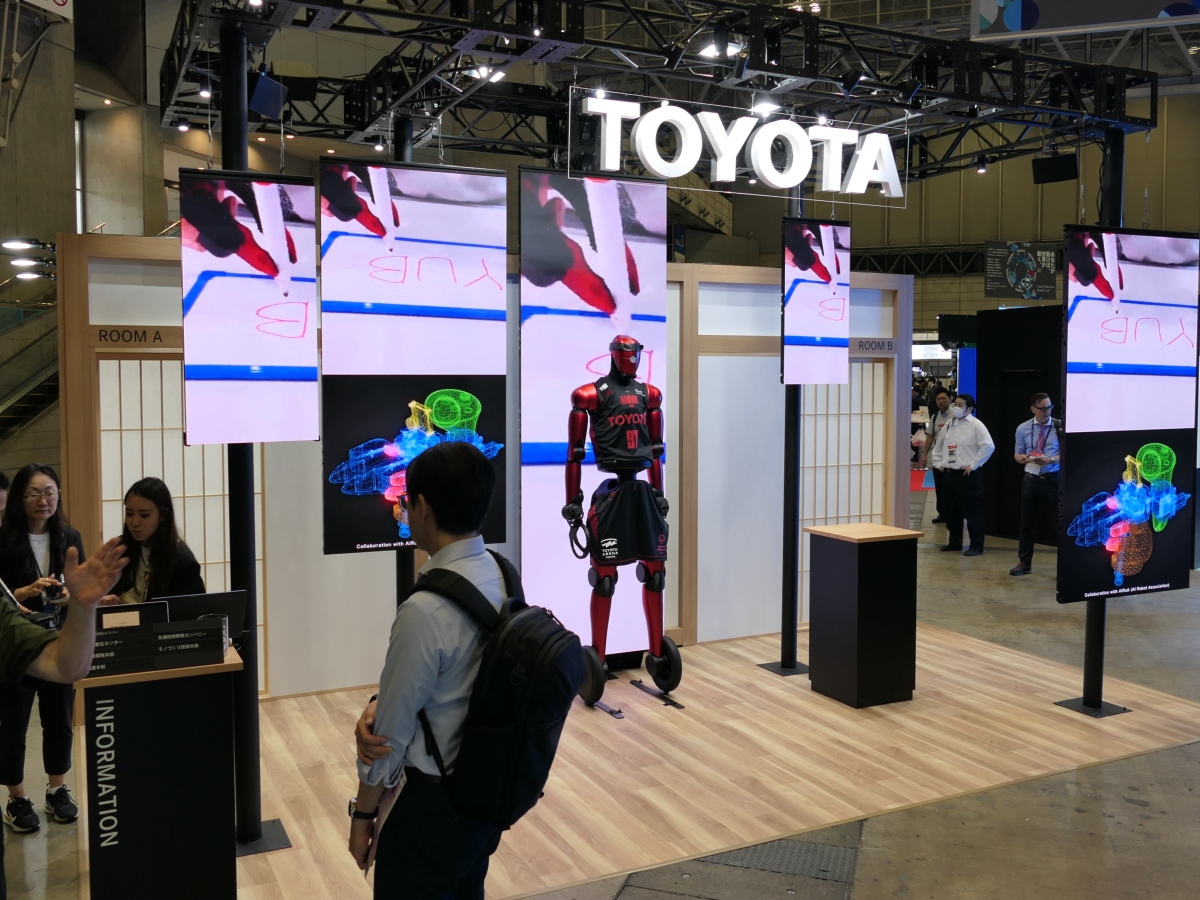
Japan Mobility Show Bizweek 2026 showcased Physical AI applications, including Toyota's basketball-playing rob…
Google pitched Gemini 4 Argon as one model for robot control, simulation and training-data review, saying it s…
Researcher Sammy Azdoufal discovered Energize Lab's Eiliko robot stores 13 million conversations from 68,000 t…