What happened
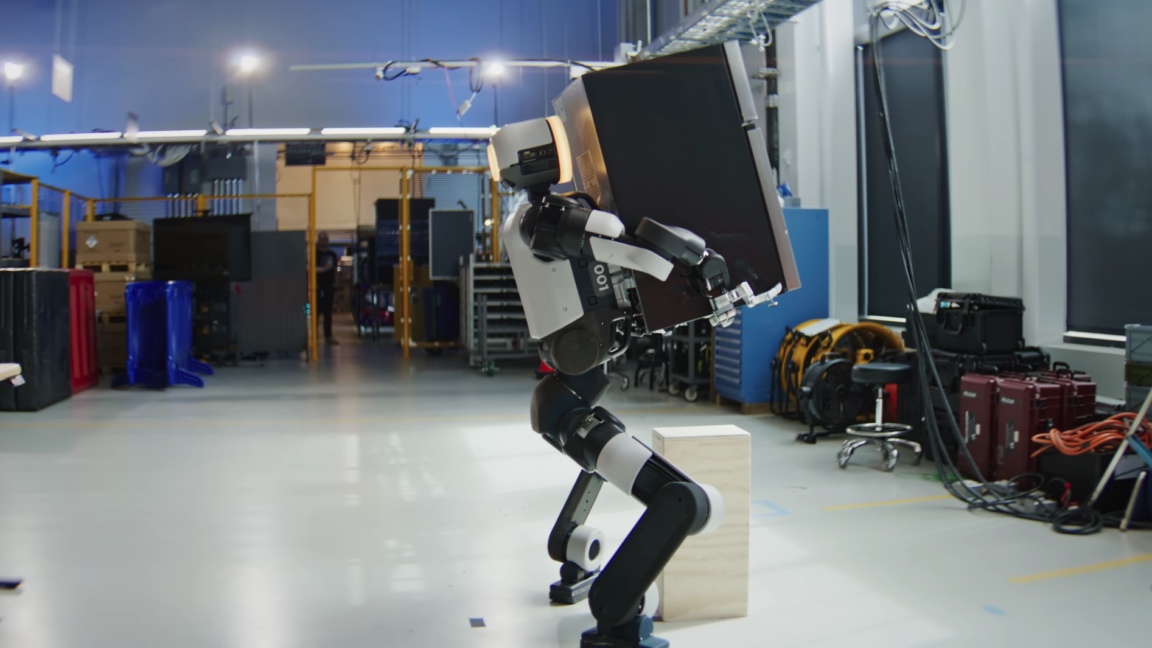
South Korea's government and top tech companies are committing $1 trillion(約160兆円) to three major projects: Samsung and SK Hynix will spend $585 billion(約94兆円) on new chip fabrication plants to double the country's DRAM production within five years; SK Group, GS Group, and Naver will invest $357 billion(約57兆円) in large-scale AI data centers across multiple provinces; and Hyundai Motor Company is committing $5.8 billion(約9300億円) to build a robot manufacturing facility and AI data center, with plans to produce 30,000 Atlas humanoid robots each year by 2028.
Why it matters
South Korean memory chip makers have enjoyed record profits and stock valuations due to AI industry demand, but this has created supply shortages and higher prices for consumer electronics worldwide. The megaprojects reflect President Lee Jae Myung's stated goal to "secure the core elements of AI faster than any other country." However, the initiatives are triggering public debate: labor unions are pushing back against humanoid robot deployment in factories, and government officials have encouraged tech companies to share their unprecedented AI-driven profits with workers and suppliers.
What to watch
The new semiconductor fabs in South Korea's southwestern region may need significant time to become operational—SK Hynix Chairman Chey Tae-won noted that it took nine years to build a previous chip manufacturing cluster. South Korea's Ministry of Climate, Energy and Environment is working to secure 6.3 gigawatts of electricity and 650,000 tons of water for the southwestern chip plants, plus an additional 8 gigawatts for the AI data centers. The government aims to commercialize humanoid robots in 10 major industries by 2028 and train 10,000 workers as "AI robotics specialists" over the next five years.
Summaries like this, in your inbox every morning.
Pick your industry and the AI tools you use, and get news related to your work every day.
Free · 30 seconds with Google · unsubscribe anytimeWhat is AIToday? →
Ask AI anything about this article. The AI reads this article, earlier AIToday articles, and Wikipedia, and cites its sources. Q&As are published on this page for other readers too.
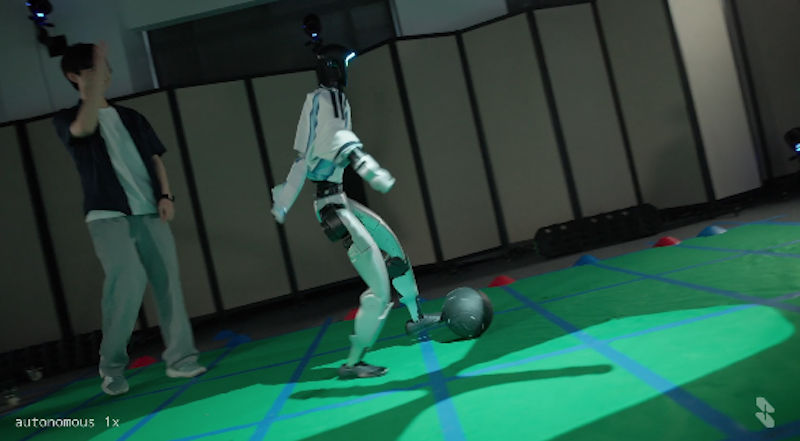
Skild AI used Nvidia Isaac Sim to give its S1 model one objective — score a goal — and let it compete against…
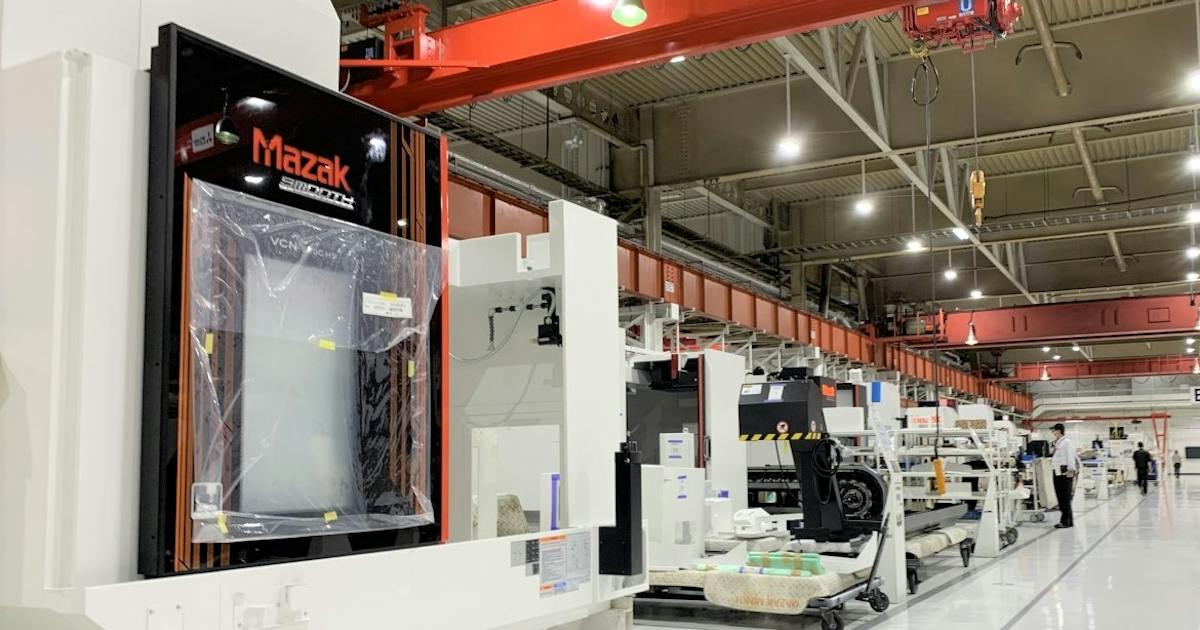
Yamazaki Mazak and ABEJA said on the 16th they will start joint development of physical AI, using ABEJA's ABEJ…
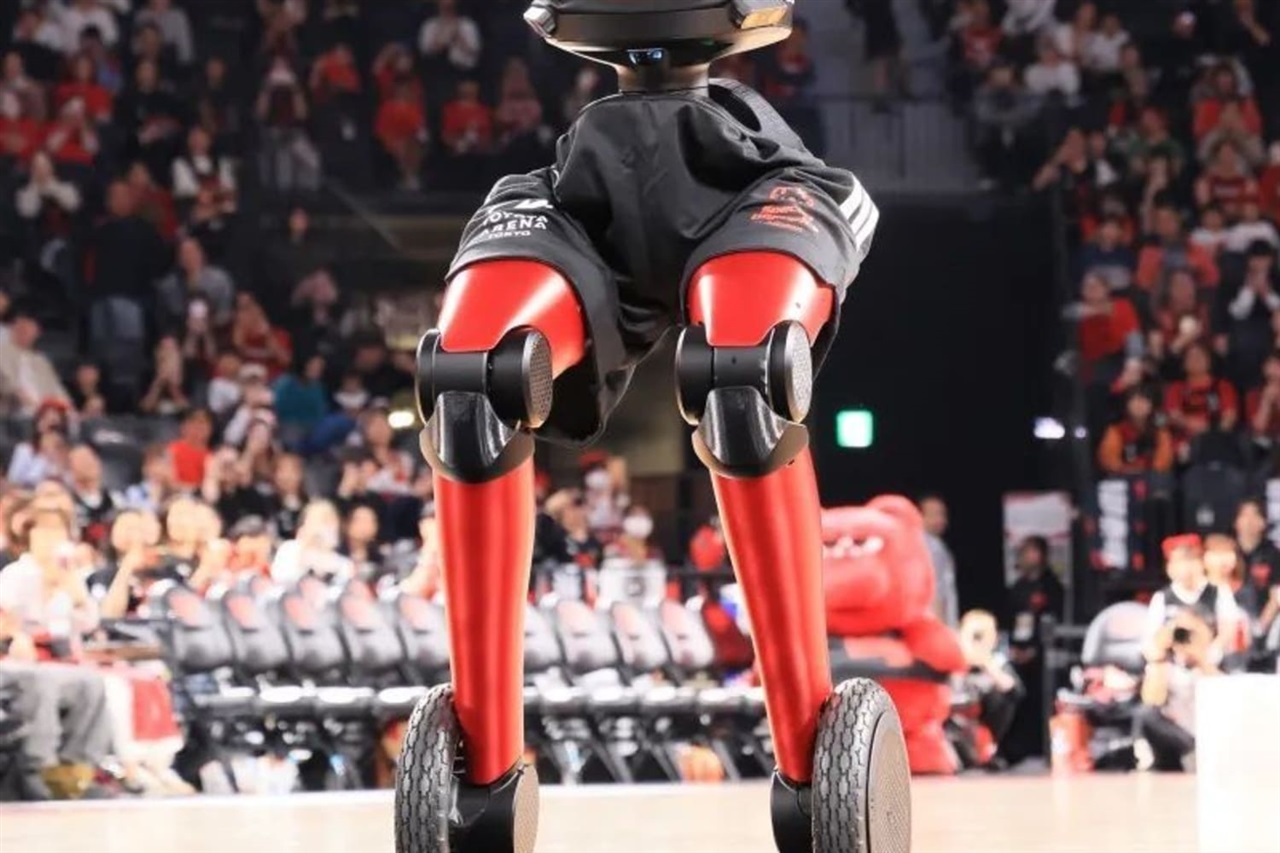
Toyota Motor's Japan Mobility Show Bizweek 2026 booth centers on its AI basketball robot CUE7, has no other ex…
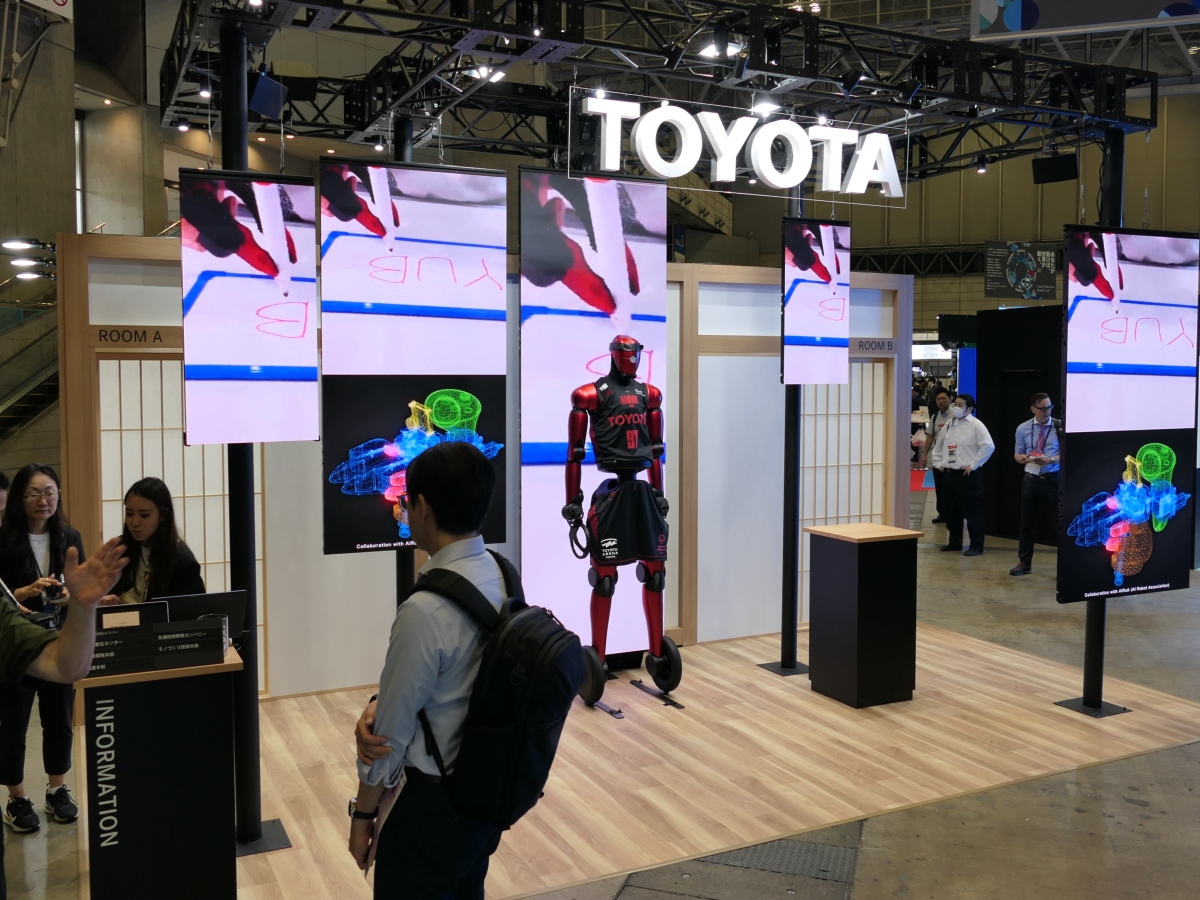
Japan Mobility Show Bizweek 2026 showcased Physical AI applications, including Toyota's basketball-playing rob…
Google pitched Gemini 4 Argon as one model for robot control, simulation and training-data review, saying it s…
Researcher Sammy Azdoufal discovered Energize Lab's Eiliko robot stores 13 million conversations from 68,000 t…