OpenAI is integrating ChatGPT Health with Epic's EHR system to let clinicians import patient data and ask AI questions.
The integration is read-only and includes direct access in some workflows.
OpenAI also added a plug-in for public healthcare data sources.
What happened
OpenAI said today that it is integrating ChatGPT Health with Epic's electronic health record (EHR) system, which holds data for over 325 million patients, to let clinicians import patient data and ask AI questions. In certain systems, ChatGPT will also be integrated directly within EHR workflows.
Why it matters
Clinicians can now access and summarize patient information like appointment notes, lab results, medications, and specialist documentation. The integration is read-only — AI doesn't write anything back — and OpenAI has maintained that AI is not suitable for diagnosis or treatment, despite deep integrations with medical systems.
What to watch
OpenAI also added a Healthcare Public Data plug-in that can fetch information from sources including ClinicalTrials.gov, CMS Coverage, RxNorm, DailyMed, and PubMed. Organizations with a Business Associate Agreement can also use ChatGPT Work, Codex, apps, and connectors for compliant workflows.
Ask the AI about this article →
This move marks a significant step for OpenAI in embedding its AI into clinical workflows via Epic, a major EHR system used across U.S. healthcare. The read-only design addresses safety concerns by preventing AI from altering records, yet the integration's value lies in summarizing and synthesizing data that clinicians already have. OpenAI's earlier rollout of ChatGPT for health to all U.S. consumers saw 300 million health-related queries per week, showing strong demand for AI-assisted health information. However, the company's assertion that AI is not suitable for diagnosis or treatment sits against a backdrop of lawsuits—one from a Florida pastor alleging a near-fatal recommendation and another from family members of a user blaming ChatGPT for dosage advice. OpenAI's internal survey of over 4,300 physicians across 27 clinical use cases found 99.1% of responses were safe, but even a small error rate can have serious consequences in healthcare.
For example, today's edition would include:
AI-summarized, only the topics you pick — one digest a day via Email, Slack, or Discord.
Free · takes 30 seconds · unsubscribe anytimeWhat is AIToday? →
Ask AI anything about this article. Q&As are published on this page for other readers too.
Google DeepMind chief Koray Kavukcuoglu said being at the frontier of AI is the only thing that matters to the…

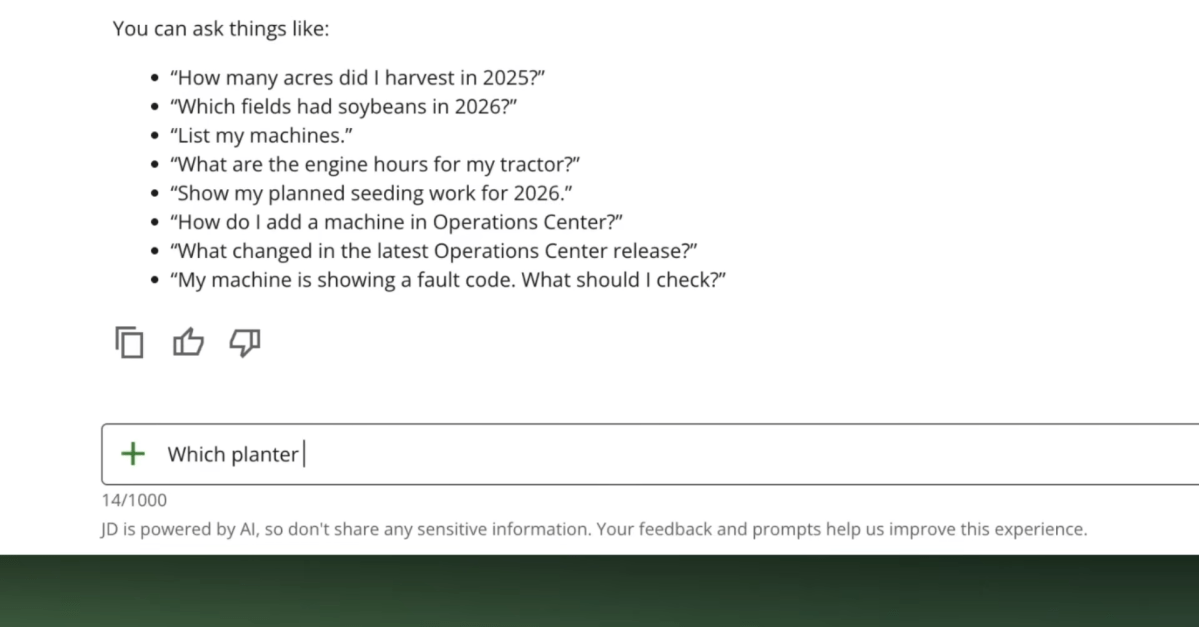
John Deere is testing an AI assistant called “JD” that answers farmers' questions on topics like equipment set…
Google has launched Google Pics, a new suite of creative design tools for Workspace users, built around Gemini…

Google is launching Google Pics, an AI-powered image creation and editing tool that will be part of Google Wor…

Google DeepMind launched agentic video understanding across Gemini 3.7 Flash, 3.6 Flash, and 3.5 Flash-Lite

Jamf, which manages Apple devices for over 76,000 organizations, built a system using AWS services to enforce…