What happened
ResearchAndMarkets.com added "The Global Humanoid Robots Market 2026-2036" report, which says the sector is moving from prototyping to structured commercial deployment, led by automotive and logistics. Cumulative industry funding surpassed $9.8 billion in 2025.
Why it matters
The market is shifting from early-stage prototypes to paying industrial pilots, with first-wave robot prices at $80,000 to $250,000. In February 2026, Apptronik raised $520 million at about a $5 billion valuation, and Mobileye announced the $900 million acquisition of Mentee Robotics.
What to watch
Whether the three waves play out hinges on cost reductions and supply chain scale bringing prices to $5,000 to $25,000 for consumer and education markets in 2027-2033, and on regulation for elder care from 2030.
WHO IT HITSManufacturers, logistics and warehousing operators evaluating pilot deployments will face robot price points of $80,000 to $250,000 in the first wave, while investors and robotics startups in China, the U.S. and Israel are seeing funding and consolidation activity.
Ask the AI about this article →
Summaries like this, in your inbox every morning.
The report frames humanoid robots as leaving the lab. Persistent labor shortages in manufacturing, logistics and warehousing are cited as strengthening demand for robots that can operate in complex industrial environments, while advances in embodied AI, electromechanical systems and automation technology are making deployment more feasible. Investment has followed: cumulative industry funding surpassed $9.8 billion in 2025, and in February 2026 Apptronik raised $520 million in a round backed by Google and Mercedes-Benz, valuing it at approximately $5 billion. Mobileye's announced acquisition of Mentee Robotics for approximately $900 million points to convergence between autonomous driving and robotics. China is another center, with 610 financing deals worth 50 billion yuan (approximately $7 billion) in the first nine months of 2025, 2.5 times the prior-year level.
The report lays out three adoption waves. The first, from 2025 to 2030, centers on automotive manufacturing, logistics and warehousing at robot prices of $80,000 to $250,000, with named programs involving BYD and UBTECH, GXO and Agility Robotics, BMW and Figure AI, and Mercedes-Benz and Apptronik. The second, projected for 2027 to 2033, targets consumer, developer and education markets at $5,000 to $25,000, supported by supply chain integration, manufacturing scale and component cost reductions; Unitree's R1, priced at approximately $5,600, illustrates the lower-cost potential. The third, from 2030 onward, addresses medical and elder care, where regulatory requirements may slow adoption but aging populations across Asia and Europe make the opportunity significant long-term.
The stakes likely hinge on whether component costs and manufacturing scale fall fast enough to open the consumer and education wave, and on how regulation shapes elder care adoption.
For example, today's edition would include:
AI-summarized, only the topics you pick — one digest a day via Email, Slack, or Discord.
Free · 30 seconds with Google · unsubscribe anytimeWhat is AIToday? →
Ask AI anything about this article. Q&As are published on this page for other readers too.
TDK has introduced a 10μF version of its MLCC that uses the company's own resin electrodes, with the design ai…
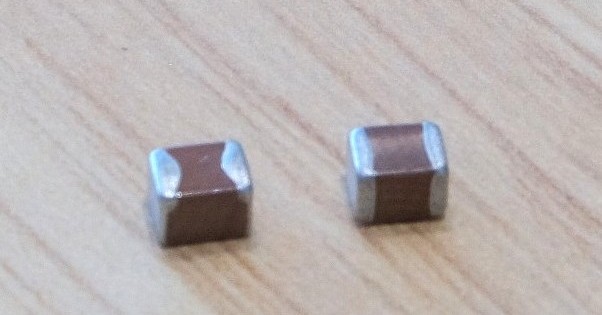
TDK said it has started mass production of multilayer ceramic capacitors rated at 100V and 10μF, targeting AI…

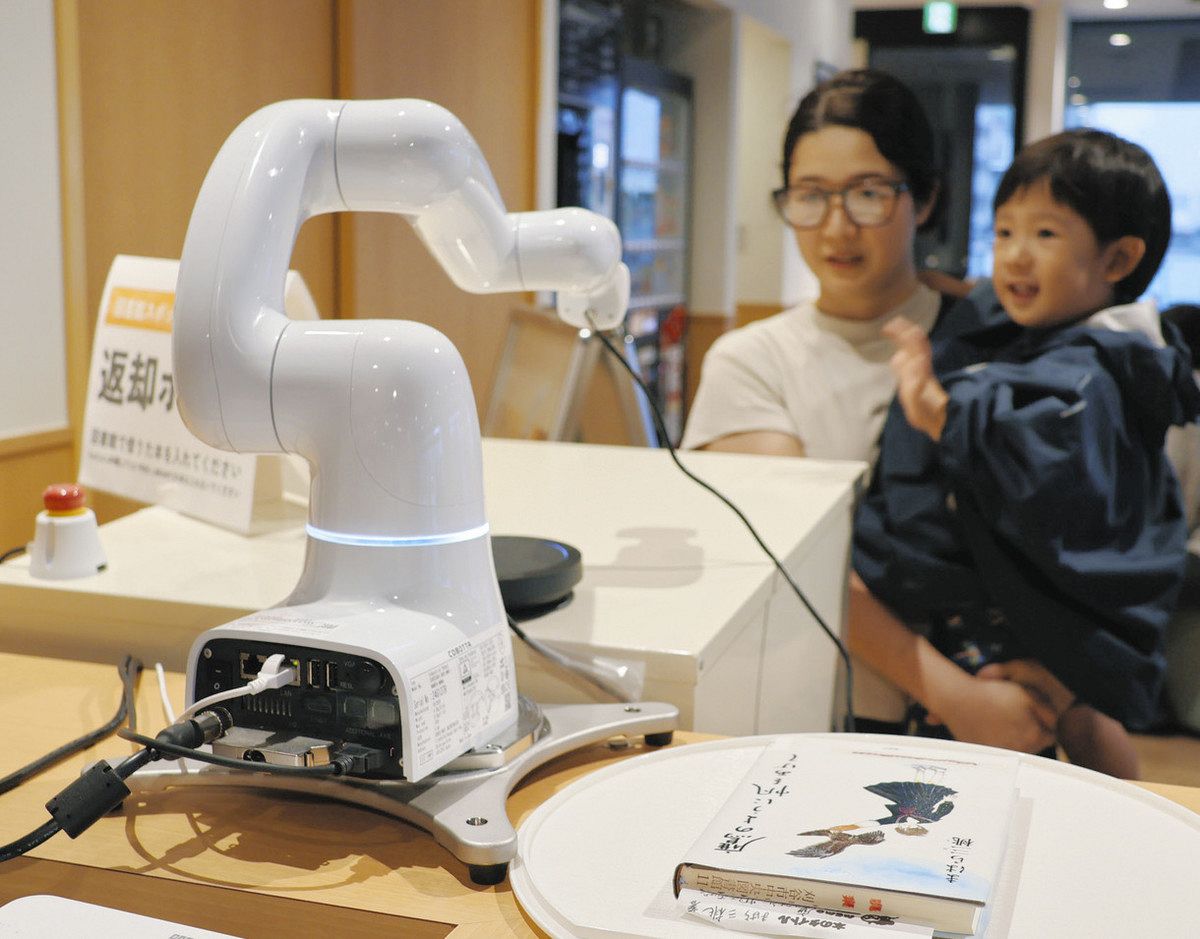
Two AI-equipped robots are appearing on a limited-time basis at Karikoko, a community exchange facility near K…
PepsiCo used Siemens' Digital Twin Composer, built on Nvidia Omniverse, to model a U.S
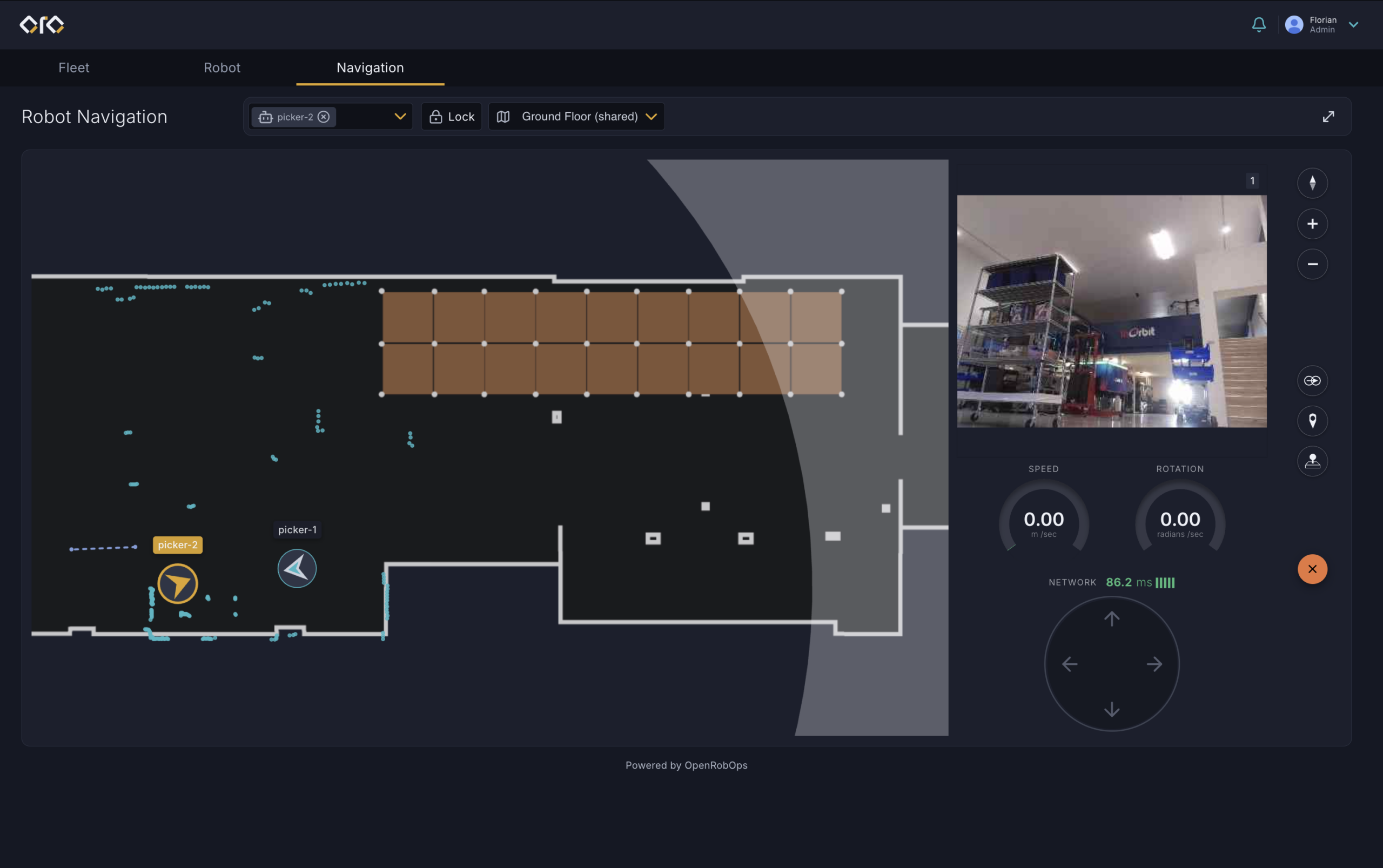
InOrbit.AI released OpenRobOps, an Apache 2.0 open-source robot fleet operations foundation it calls the indus…
XPeng Motors is extending its self-developed Turing AI chip from intelligent driving into humanoid robots