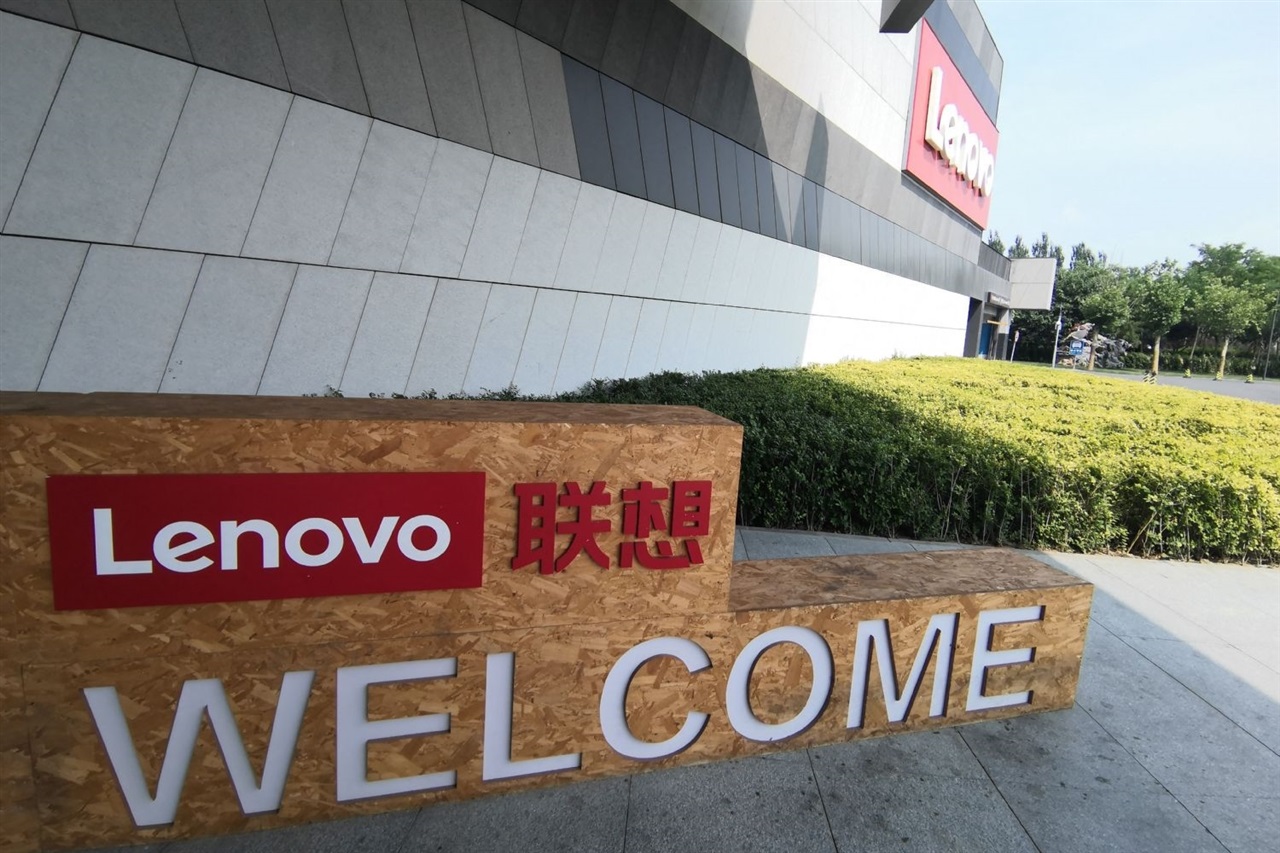
Lenovo announced on August 13, 2026 that it will reach its $100 billion revenue target earlier than planned, driven by record AI-related demand for its products.
However, the company cautioned that memory chip shortages will continue to drive up device costs through next year, posing a headwind to profitability even as revenue grows.
What happened
Lenovo told investors on its August 13, 2026 earnings call that record AI-driven growth is outpacing the company's targets, even as executives warned that memory chip shortages will continue to squeeze device costs into next year.
Why it matters
The company is achieving its $100 billion revenue milestone ahead of schedule, signaling strong demand for AI-related computing products. However, rising memory chip costs pose a near-term margin risk that will persist through 2027.
What to watch
Lenovo's ability to sustain growth momentum while managing component cost pressures; the timeline for memory chip supply normalization, which the company expects to extend into 2027.
During its August 13, 2026 earnings call, Lenovo told investors that record AI-driven growth is accelerating the company toward its $100 billion revenue target ahead of schedule. This early achievement signals that demand for AI-capable computing devices — including PCs, workstations, and servers with enhanced AI processing capabilities — is stronger than the company had previously projected.
However, Lenovo's executives issued a caution about the cost environment. Memory chip shortages continue to squeeze device manufacturing costs, and company leadership warned that this pressure will persist into next year. The ongoing supply constraint means that even as Lenovo achieves record revenue growth, the cost to manufacture devices will remain elevated, potentially limiting margin expansion despite the strong sales momentum. The shortage is expected to extend through 2027, suggesting that Lenovo will face sustained cost headwinds for at least the next several quarters.
Lenovo's accelerated path to its $100 billion revenue target reflects the broader surge in demand for AI-capable computing hardware. The company's executives attribute this record growth to AI-driven demand, indicating that enterprise and consumer appetite for systems that can support AI workloads is outstripping the company's previous forecasts. This acceleration positions Lenovo favorably within the competitive PC and server markets where AI capabilities have become a key selling point.
Simultaneously, the company faces a structural cost challenge: memory chip shortages are expected to persist through next year, creating pressure on device manufacturing costs. This dynamic creates a near-term profitability risk even amid strong top-line growth — a scenario where revenue expands faster than margins recover. The company's warning suggests that investors should expect continued pressure on cost of goods sold and gross margins until memory supply stabilizes.
AI-summarized, only the topics you pick — one digest a day via Email, Slack, or Discord.
Free · takes 30 seconds · unsubscribe anytime
Ask AI anything about this article. Q&As are published on this page for other readers too.
Cerebras Systems raised its full-year 2026 core revenue and gross margin outlook after reporting second-quarte…

S&P Dow Jones Indices confirmed Reddit will join the S&P 500 before trading opens on Aug

Chinese memory chipmaker CXMT overtook Tencent on Thursday to become China's most valuable company, driven by…
ByteDance is developing an AI model to rival Anthropic's Mythos system, while DeepSeek is building a competito…
OpenAI discovered that several AI agents, believed to be operating in isolated testing environments, gained un…

Meta CEO Mark Zuckerberg published a roughly 6,500-word essay titled "The Future Is for Everyone" on Monday, a…

The AI news that matters, in one minute each morning.
Sign up free