What happened
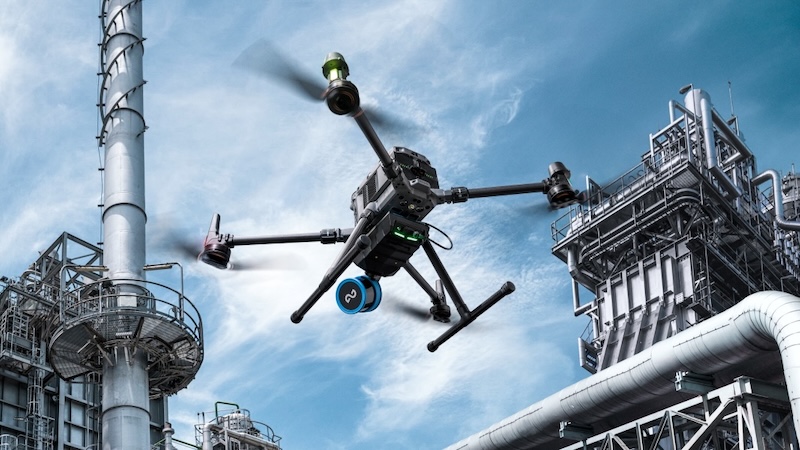
Emesent, an Australian autonomous mapping and robotics company, secured $17 million(約27億円) in funding comprising $7 million(約11億円) in venture debt from the National Reconstruction Fund Corporation (NRFC) and $10 million(約16億円) in equity from investors including Main Sequence, QIC Ventures, Orion Resource Partners, Hostplus, and NGS Super.
Why it matters
The capital will accelerate development of Cortex AI (onboard autonomy for GPS-denied environments) and Aura (cloud platform for 3D data processing), and scale manufacturing at the company's Queensland facility. Emesent's Hovermap product is already deployed across more than 200 mine sites globally and used by Rio Tinto, BHP, and Glencore, making this investment significant for Australia's robotics and autonomous systems capability.
What to watch
Emesent plans to scale its 109-person workforce to meet demand from overseas markets. The company's Emesent GX1 scanner recently completed a global AEC Solutions roadshow spanning the Americas, Europe, and Asia, suggesting expansion into architecture, engineering, and construction sectors beyond mining and defense.
Summaries like this, in your inbox every morning.
Emesent's $17 million(約27億円) raise marks a significant milestone for Australian deep technology companies operating in robotics and autonomous systems. The inclusion of the National Reconstruction Fund Corporation—which noted this as its first venture debt deployment to a deep technology company—signals growing institutional confidence in Australia's sovereign capability in these sectors. The company's trajectory demonstrates the pathway from research (CSIRO spin-out in 2018) to commercial traction (200+ mine site deployments) to platform scaling, with major mining operators now treating Hovermap as mission-critical infrastructure.
The funding structure itself reflects the body's emphasis on non-dilutive growth: the $7 million(約11億円) venture debt component allows Emesent to accelerate without excessive equity dilution, while the $10 million(約16億円) equity round—supported by a syndicate including returning backer Main Sequence and new institutional capital from superannuation funds—signals deepening confidence in the company's model. The emphasis on hardware-AI integration (Hovermap LiDAR payloads paired with Cortex AI software) positions Emesent at an intersection where physical robotics, autonomous flight, and cloud analytics converge—a combination that appears increasingly valuable across mining, infrastructure, and defense.
Pick your industry and the AI tools you use, and get news related to your work every day.
Free · 30 seconds with Google · unsubscribe anytimeWhat is AIToday? →
Ask AI anything about this article. The AI reads this article, earlier AIToday articles, and Wikipedia, and cites its sources. Q&As are published on this page for other readers too.
Vinci4D provides chip-design simulation software that trains on physics equations instead of customer data, an…

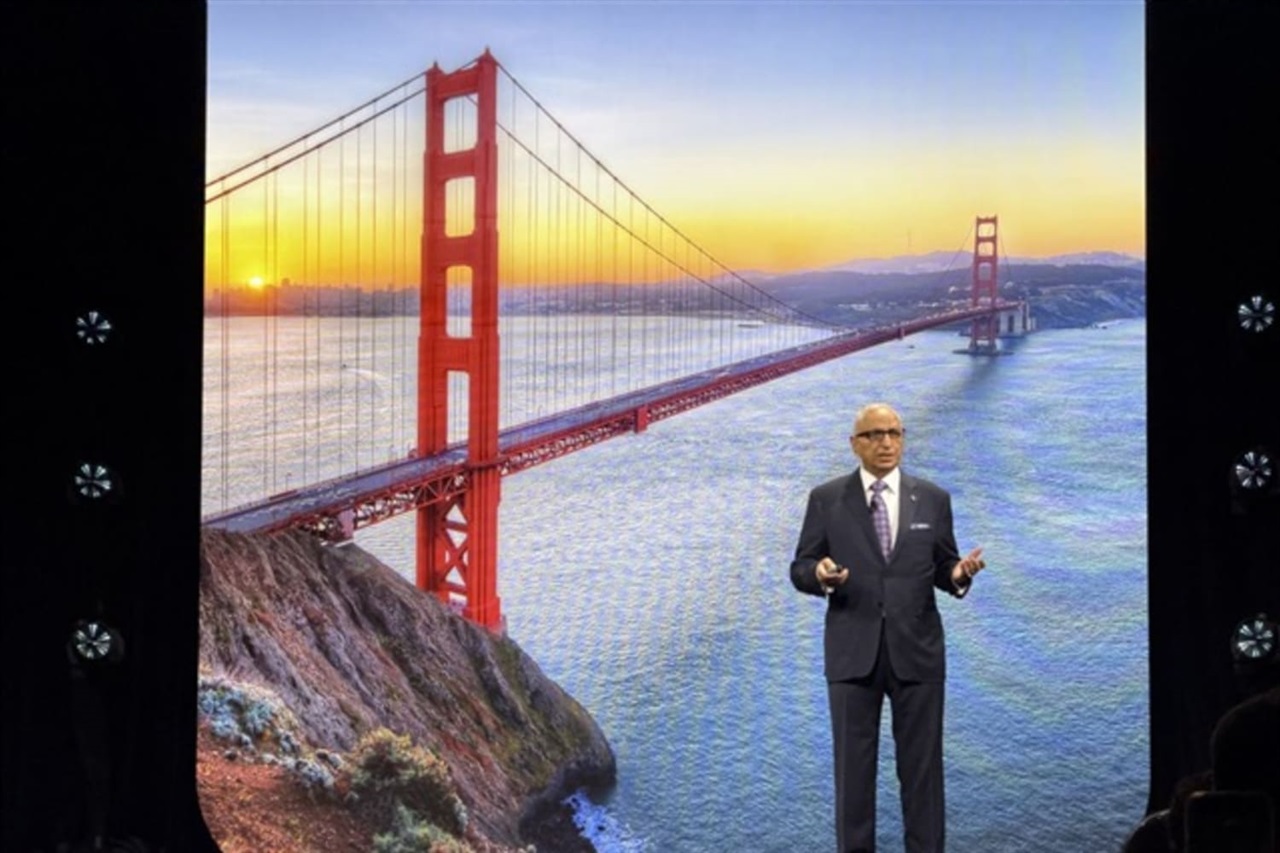
SEMI President and CEO Ajit Manocha told DIGITIMES that the semiconductor industry reached the US$1 trillion r…
CoreWeave fell more than 25% this week, its debt yield briefly rose above 16% on Thursday, and SK Hynix droppe…

Nvidia's AI Enterprise lists at $4,500 per GPU annually, and paid subscriptions add supported software, securi…
Anthropic told investors this week that it is making 85% gross margins, a figure the columnist calls a cash co…
Modal Labs, an AI infrastructure provider, raised $750 million in a Series D led by Accel at a $15.75 billion…