What happened
24/7 Wall St. set a $531.86 price target on Taiwan Semiconductor Manufacturing, about 16.53% above its $456.41 price, rating TSM a buy at 90% confidence.
Why it matters
That call implies the market may be undervaluing the company's earnings power, so investors holding or considering the stock have a concrete benchmark for the coming year.
What to watch
The thesis hinges on whether 2nm yields keep gross margin within guidance and on any rise in cross-strait tensions or cuts to hyperscaler AI spending, which are the key signals flagged.
WHO IT HITSThis lands on investors deciding whether to hold or add Taiwan Semiconductor Manufacturing stock, and on portfolio managers weighing it against chip customers that trade at higher multiples.
Summaries like this, in your inbox every morning.
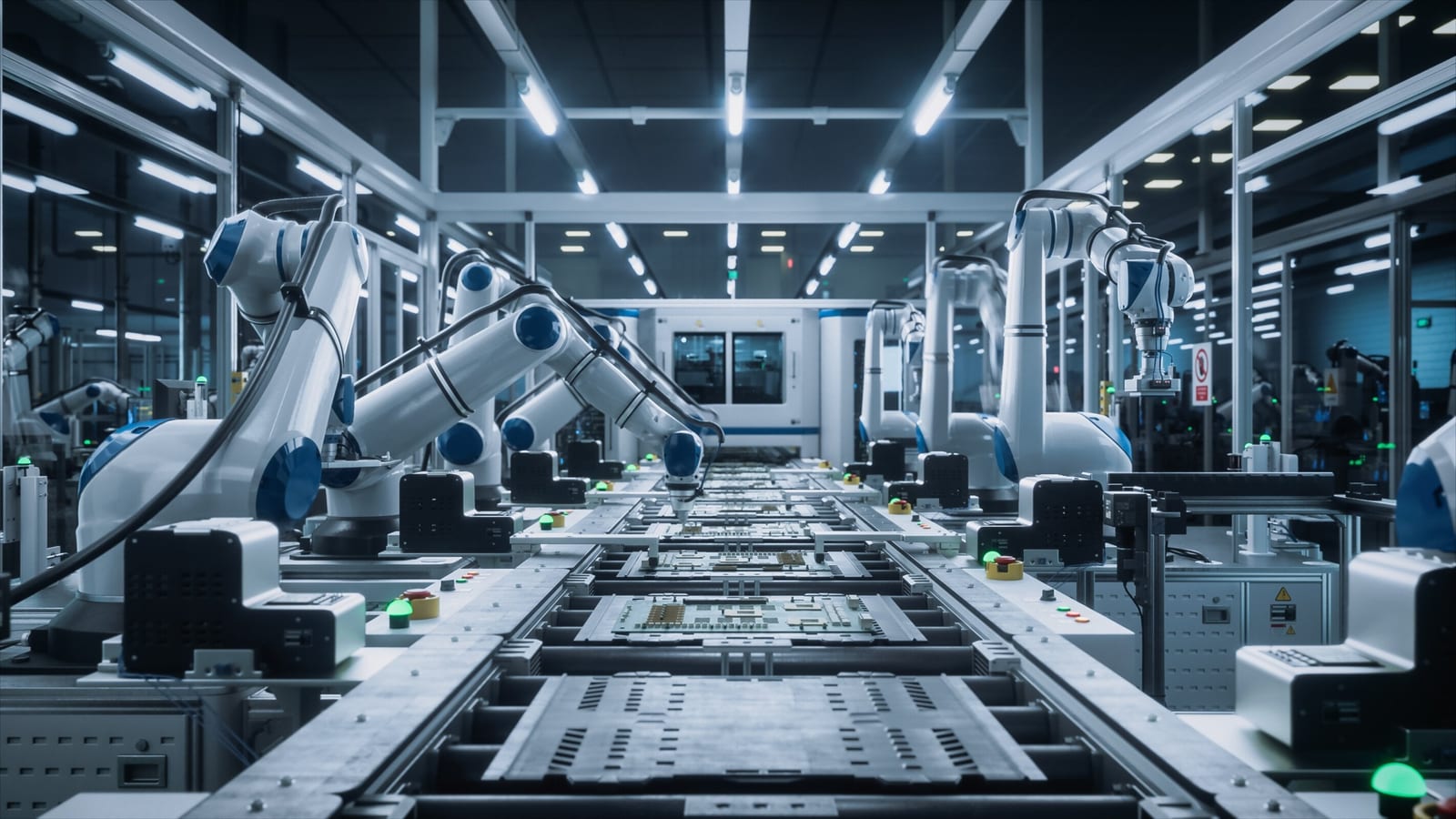
The bullish call rests on a business that sits at the center of the AI chip supply chain. TSMC makes the chips inside nearly every major AI accelerator, and its second-quarter results showed high-performance computing rising 20% quarter over quarter to 66% of revenue. Management now expects 2026 revenue growth slightly above 40% in USD terms, up from close to 30% in January, while net income grew 77.4%.
That operating momentum has not been fully reflected in the share price, according to the report. TSMC trades at just 22x forward earnings, cheaper than several of the customers and suppliers that depend on it. The stock has gained 51.32% year to date and sits about 4.5% below its 52-week high, yet the valuation gap is the crux of the buy case.
The path from here hinges on execution and geopolitics. The 2nm ramp reduces gross margin by 3 to 4 percentage points, and overseas fabs add more pressure. Taiwan-China tensions and US export controls remain overhanging risks. Even the low end of third-quarter gross margin guidance, 65%, is well above the long-term 56%+ target, so the margin dilution appears manageable for now. The key signals to monitor are whether 2nm yields keep gross margin within guidance, along with any rise in cross-strait tensions or cuts to hyperscaler AI spending — the factors that would most directly test the 24/7 Wall St. thesis.
Pick your industry and the AI tools you use, and get news related to your work every day.
Free · 30 seconds with Google · unsubscribe anytimeWhat is AIToday? →
Ask AI anything about this article. The AI reads this article, earlier AIToday articles, and Wikipedia, and cites its sources. Q&As are published on this page for other readers too.
Manulife Financial Corporation launched a first-of-its-kind CoverMe travel insurance plugin in ChatGPT in late…

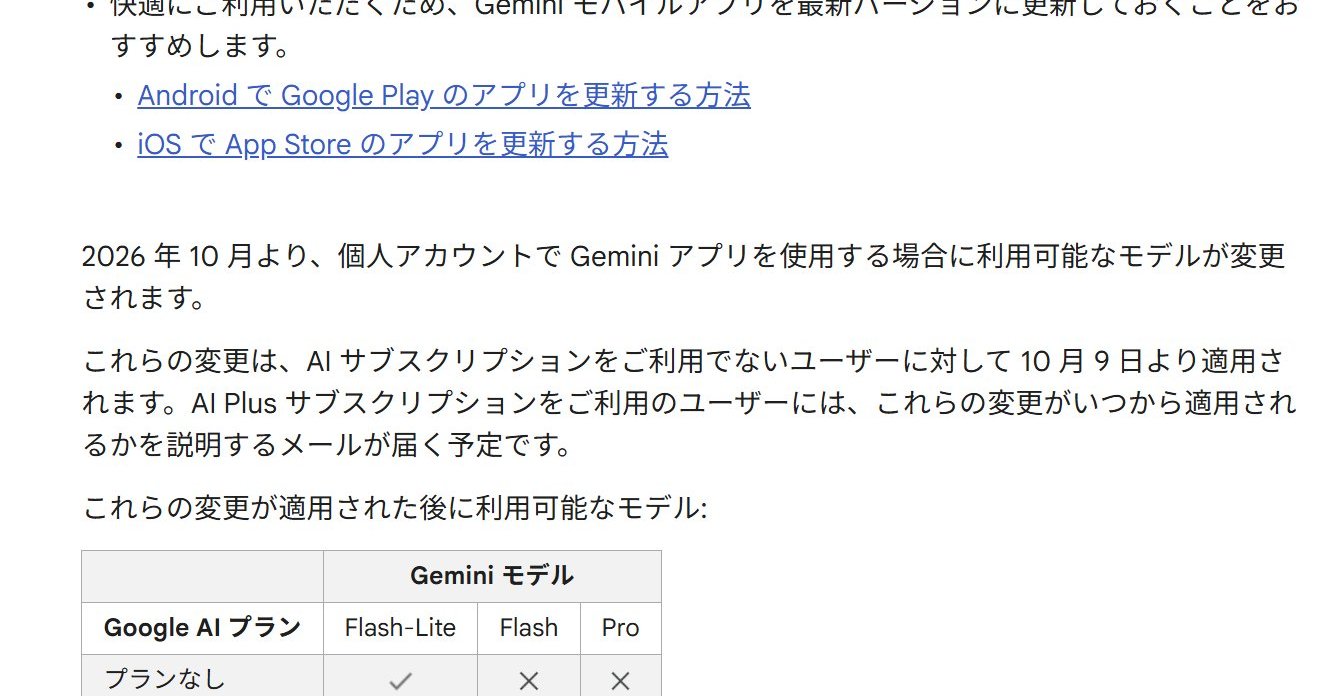
Google said free Gemini app users will be restricted to the "Flash-Lite" model starting October 9; "Flash" nee…
Nvidia expects AI spending to grow to $3 trillion to $4 trillion annually by 2030, while it reported $96 billi…

David Robinson, who led safety reporting on OpenAI's main products, resigned, saying the company's culture is…

On September 25, Bank of America reiterated a Buy rating on Advanced Micro Devices and raised its price target…
Amazon set up an $8b special purpose vehicle to buy Nvidia Grace Blackwell chips and lease them back to AWS cl…