What happened
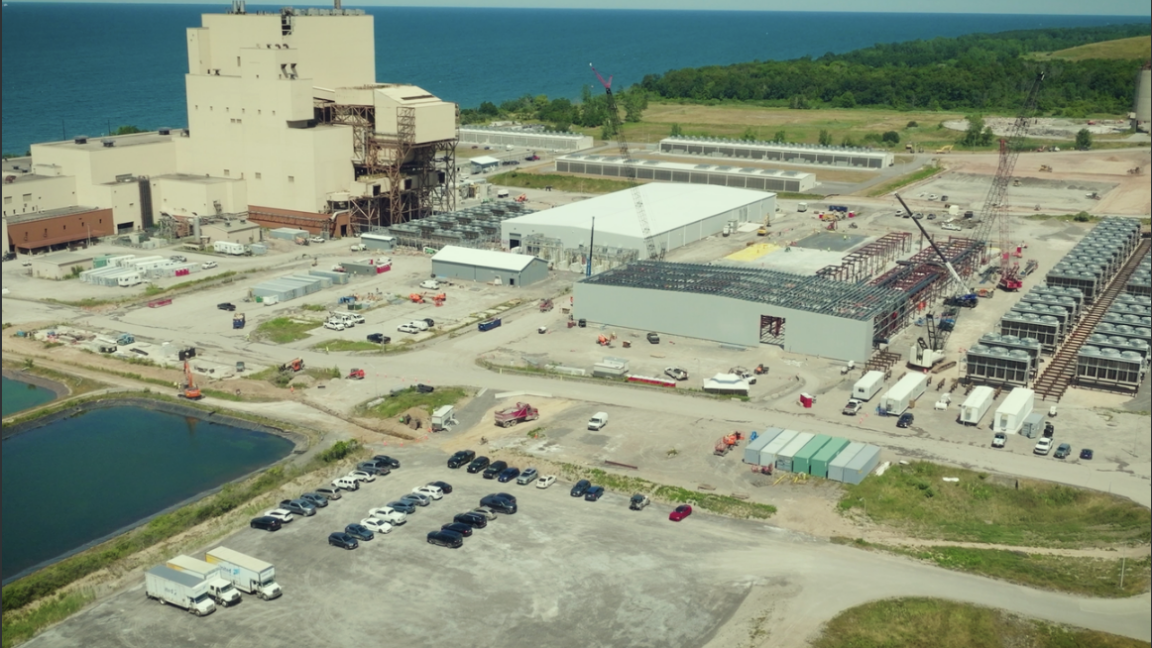
A fire broke out in early June in an unfinished building at the Lake Mariner data center in Somerset, New York, a $3.2 billion campus owned and operated by TeraWulf. Firefighters found no working alarm, no suppression system, and three dead hydrants; safety documents reportedly burned in the blaze.
Why it matters
The site involves a complex web of stakeholders—TeraWulf, UK-based Fluidstack, Google, and Anthropic—making responsibility for safety, operations, and finances diffuse. TeraWulf said it is responsible for operational safety and emergency preparedness, but the local fire chief said hydrants are still dry as of mid-August.
What to watch
Accountability hinges on whether promised benefits materialize. A 2024 planning board presentation said the full buildout would bring 35–40 jobs at a facility drawing up to 500 megawatts, far below the 165 permanent jobs and $85 million in capital investment promised in 2019.
Ask the AI about this article →
Summaries like this, in your inbox every morning.
The Lake Mariner situation illustrates a growing pattern in AI infrastructure: legal, operational, financial, and reputational responsibilities are split across multiple companies. TeraWulf leases land from a company owned by its own CEO, operates the site, and will have Fluidstack run it, while Google holds warrants for a 14 percent equity stake and guarantees lease payments, and Anthropic's compute demand justifies the buildout. When something goes wrong, assigning blame becomes surprisingly murky.
This diffusion matters because local communities bear the costs. Somerset residents face noise complaints and strained water supplies, while promised benefits have shrunk—165 jobs promised in 2019 became 35–40 in a 2024 presentation. The fire department entered "kind of blind" without functional hydrants, and two months later the water supply problems remain unfixed.
The stakes may hinge on whether state legislation closes these gaps. The Responsible Data Center Development Act would require environmental reviews, renewable transitions by 2040, and community investments, but it remains unsigned three months after passage. Governor Hochul's executive order creates a one-year moratorium on hyperscale permits, but it does not reach Lake Mariner since its permits predate the order. Whether accountability becomes enforceable likely depends on whether the broader legislation passes and how companies respond to scrutiny as the AI buildout boom continues.
For example, today's edition would include:
AI-summarized, only the topics you pick — one digest a day via Email, Slack, or Discord.
Free · 30 seconds with Google · unsubscribe anytimeWhat is AIToday? →
Ask AI anything about this article. Q&As are published on this page for other readers too.
Berkshire Hathaway's top AI-related holdings are Apple (20.2% of portfolio), Alphabet (7.4%), and Moody's (3.4…

Broadcom reported Q3 2026 revenue of $29.6 billion, up 86% year-over-year, with AI semiconductor revenue jumpi…

Caterpillar's power generation backlog grew 92% year over year to more than $72 billion in Q2 2026, driven by…
Jabil's shares have risen 36.2% year to date, beating the Electronic Manufacturing Services industry's 23.6% g…

San Jose is positioning itself as a hub for physical AI (AI that operates in the real world, such as robotics)…

AMD's Q2 FY2026 revenue hit $11.54 billion, up 50.1% year over year, with Data Center revenue at $6.72 billion…