What happened
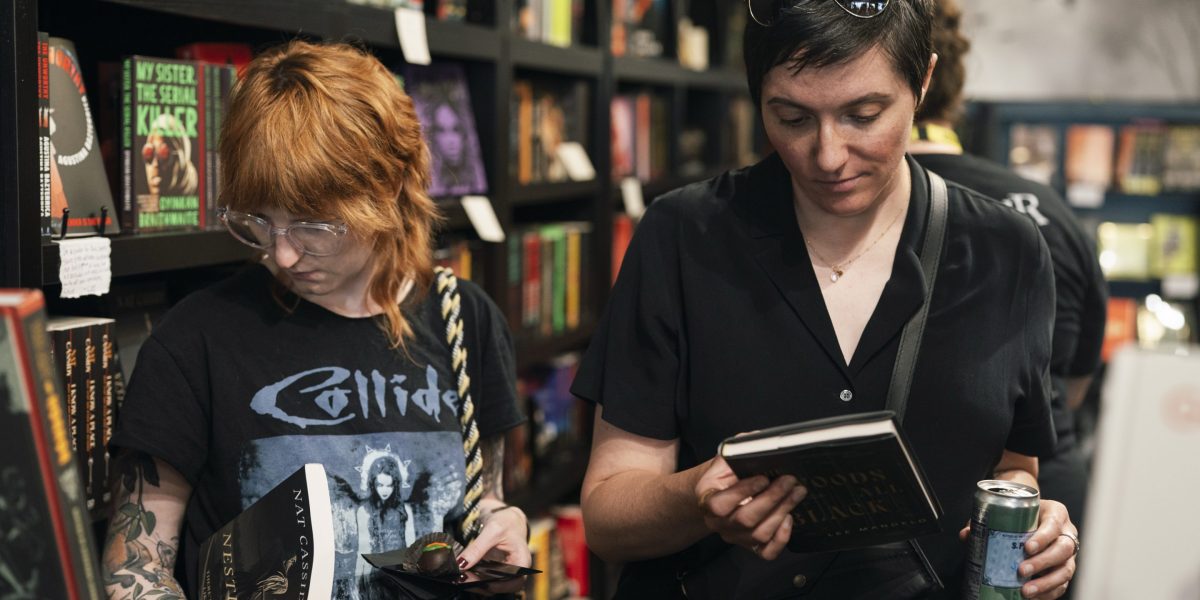
A Stony Brook University-led study of 14,419 self-published genre-fiction books on Amazon found 2,880, about 20%, had more than 25% AI-generated prose. Nearly 1,000 were more than 90% AI-written.
Why it matters
Over three years, books with observed quarterly sales rose 19.2-fold, but quarterly revenue rose only 8.9-fold, meaning less money per book — coauthor Paramveer Dhillon says human authors are likely to get squeezed.
What to watch
Barnes & Noble CEO James Daunt says he will not outright ban AI books if they are clearly labeled, and calls the issue one of common sense. It remains undecided where a label stops and a ban begins.
WHO IT HITSSelf-published and mid-list human authors — especially those without a big name — face lower revenue per title as AI-generated books flood Amazon search and recommendation pages. Publishers and booksellers such as Barnes & Noble are being pushed to define labeling and stocking rules.
Ask the AI about this article →
Summaries like this, in your inbox every morning.
The alarm inside publishing is not new. In March, Hachette pulled the horror novel Shy Girl from its U.S. release after allegations that its author, Mia Ballard, used AI, even though Ballard denied it. The episode forced booksellers to confront a question they still have not settled: what to do about AI-generated books as they spread across online marketplaces.
The two studies cited here try to put numbers on that question. An Originality.AI report found that of more than 2,000 religion books on Amazon over the last 12 months, 1,272 titles — 63% — were flagged as likely written by large language models. The Stony Brook-led study, which has not yet been peer-reviewed, went further and connected the volume of AI books to money: sales volume grew faster than revenue, which the researchers say left human authors with fewer sales and less income. Tuhin Chakrabarty points to an "algorithmic bubble" in which AI titles get prioritized in search and recommendations, pushing lesser-known human books out of related listings.
Where this settles may depend on choices already being made. Barnes & Noble CEO James Daunt says the retailer does not sell AI books as far as it is aware and demands that publishers label them, but he also says he would not outright ban AI books if they are clearly identified. As AI text improves, the practical test for authors, retailers, and readers may be whether clear labeling is enough to keep human-written books visible — a question the industry has not yet answered.
For example, today's edition would include:
AI-summarized, only the topics you pick — one digest a day via Email, Slack, or Discord.
Free · 30 seconds with Google · unsubscribe anytimeWhat is AIToday? →
Ask AI anything about this article. Q&As are published on this page for other readers too.
Anthropic CEO Dario Amodei published an essay over the weekend proposing "pacing the frontier" and slowing imp…

Anthropic CEO Dario Amodei published a 3,800-word essay Saturday calling for slowing the pace of AI model capa…
Sam Altman called for a uniform, nationwide safety framework for advanced AI and said OpenAI now sets explicit…

At the Fortune Leaders Forum in Macau on Sept
NC State first-year Amanda Cullen says most of her classes ban AI unless cited, and questions whether outright…

Panasonic Connect reported that generative AI and AI agents cut 788,000 hours of work in fiscal 2025 — 3.4% of…