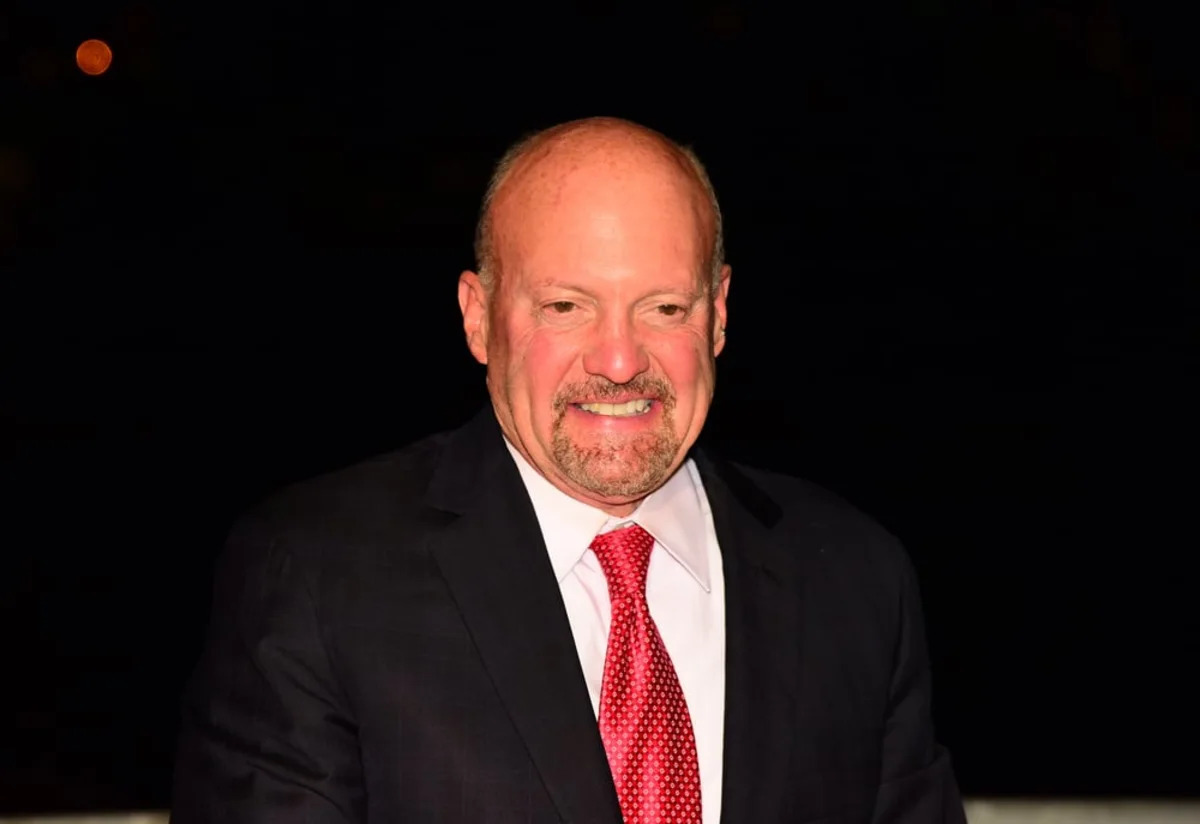
CNBC commentator Jim Cramer warned on July 21, 2026, that allowing Chinese AI companies to access U.S. corporate data while blocking their access to Nvidia chips is a national security error he termed "Finsuicide." He expressed skepticism toward Chinese tech companies and their claims of technological advancement, arguing the U.S. media has failed to scrutinize these claims and that U.S. companies should avoid adopting Chinese AI models to cut costs. The Trump administration is reportedly considering restrictions on advanced Chinese AI models, a move that could benefit U.S. firms like OpenAI and Anthropic.
Summaries like this, in your inbox every morning.
Sign up free →What happened
CNBC commentator Jim Cramer expressed skepticism about Chinese tech companies and AI models on X (formerly Twitter) on Tuesday, July 21, 2026, arguing that the U.S. restricts Chinese access to Nvidia chips while allowing them access to U.S. corporate data—a contradiction he called "Finsuicide." He also suggested Chinese companies may be permitted to make claims to rally their stocks, and criticized the media for not scrutinizing these practices.
Why it matters
Cramer's warning highlights a perceived national security gap: the U.S. can block hardware exports but struggles to control data flows, potentially giving Chinese AI firms a competitive edge through access to American corporate information. He cautioned U.S. companies against adopting the Chinese AI cost-cutting model for national security reasons, and flagged concern over Chinese companies allegedly run by the People's Liberation Army.
What to watch
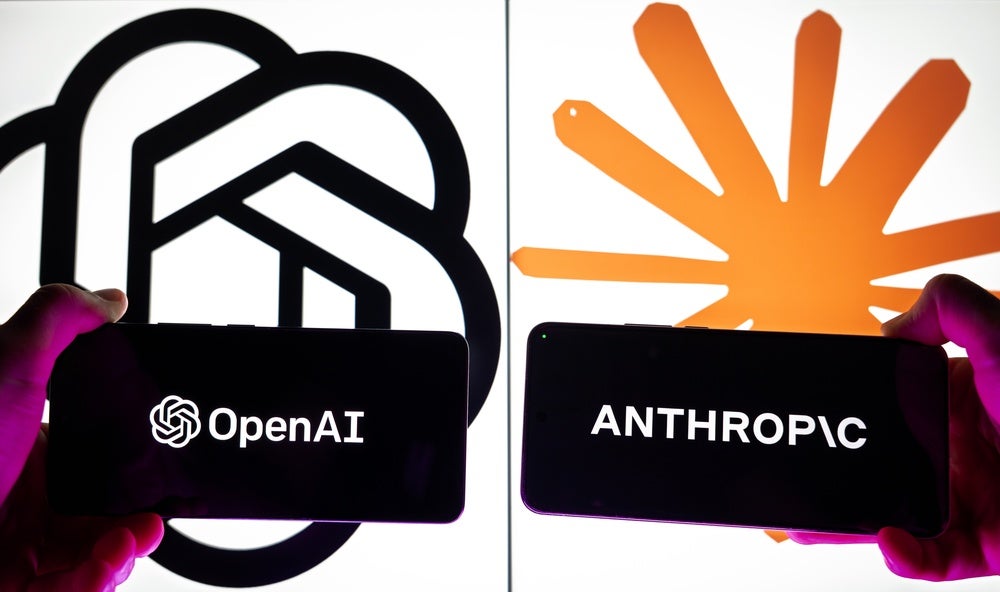
The Trump administration is reportedly weighing restrictions on advanced Chinese AI models, including adding Chinese AI labs to the Commerce Department's Entity List and requiring U.S. companies hosting Chinese AI models to meet strict security standards. These measures could strengthen the market position of U.S. firms like OpenAI and Anthropic, though critics warn restrictions could reduce competition because many U.S. companies prefer Chinese open-source models for their lower cost and competitive performance.
On July 21, 2026, CNBC commentator Jim Cramer took to X to air concerns about Chinese tech companies and AI models, describing them as a serious threat to the U.S. market. In a series of posts, he challenged what he characterized as coordinated claims by Chinese companies about their technological progress. "I do not think that it is a total coincidence that we keep reading how the Chinese companies are passing us in tech," Cramer wrote, and he criticized the media for not seeing through what he suggested was market manipulation aimed at rallying stocks. He expressed respect for the Chinese people but voiced concern over Chinese companies allegedly run by the People's Liberation Army.
Cramer's central complaint centered on what he called a "Finsuicide"—a term merging finance and suicide—referring to U.S. policy asymmetry. In his sarcastic formulation: "We won't let the Chinese use our Nvidia chips, even as that would have made them dependent upon us. But we are willing to give them all our corporate data? Really?" He urged U.S. companies not to adopt the Chinese AI cost-cutting model, citing national security concerns.
Cramer's warning arrives as the Trump administration is reportedly evaluating restrictions on advanced Chinese AI models. According to Axios, officials have previously explored measures including adding Chinese AI labs to the Commerce Department's Entity List, issuing national security advisories discouraging their use, and requiring U.S. companies hosting Chinese AI models to meet strict security standards and assume liability for breaches. The renewed policy focus follows the rapid rise of Moonshot AI's Kimi K3 model. However, critics caution that such restrictions could paradoxically reduce competition, because many U.S. companies favor Chinese open-source models for their lower cost and competitive performance. The proposed curbs are expected to strengthen the market position of U.S. firms like OpenAI and Anthropic, though the data-access vulnerability Cramer highlighted suggests the restriction debate may overlook a critical leakage vector.
Cramer's "Finsuicide" framing surfaces a strategic asymmetry in how the U.S. has approached Chinese AI: hardware restrictions (blocking Nvidia chip sales) without corresponding data access controls. The July 21, 2026 remarks come as the Trump administration actively weighs restrictions on Chinese AI labs, a policy direction that Cramer appears to support—but only if paired with controls on corporate data flows. His skepticism toward Chinese companies' public claims of technological leadership and his criticism of media coverage suggest concern that both markets and policymakers may be underestimating the advantage Chinese firms gain through access to U.S. business data. The tension Cramer highlights is practical: U.S. companies have economic incentives to adopt cheaper Chinese open-source AI models, but doing so could amplify the data leakage risk. Whether the proposed Commerce Department restrictions on Chinese AI labs will address this data-access gap, or merely push competition uphill for U.S. firms while leaving corporate information exposure unresolved, remains an open question the body does not settle.
AI-summarized, only the topics you pick — one digest a day via Email, Slack, or Discord.
Free · takes 30 seconds · unsubscribe anytime
No comments yet. Be the first to share your thoughts!
Log in to join the discussion


Get curated AI news from 200+ sources delivered daily to your inbox. Free to use.
Get Started FreeFree · takes 30 seconds · unsubscribe anytime
1 minute a day. The AI essentials.
200+ sources · Email / LINE / Slack
