What happened
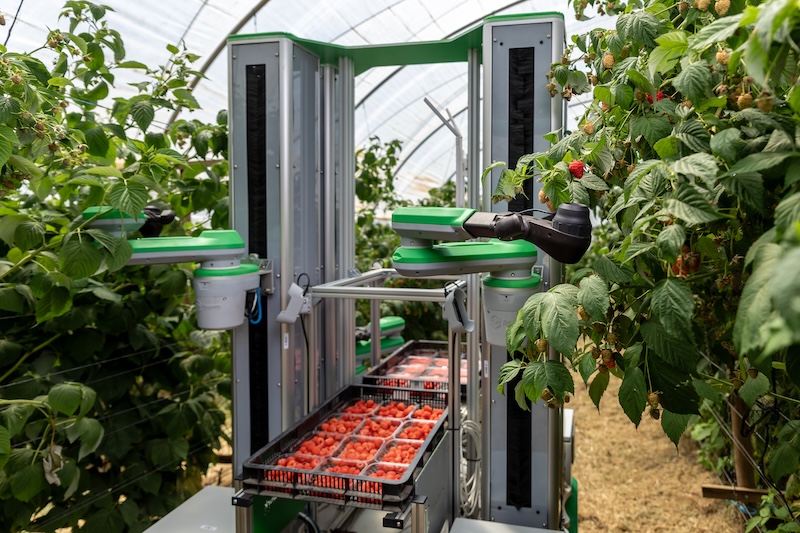
Fieldwork Robotics, which makes autonomous harvesting robots, received investment from SEED Innovations as part of a £2.5 million Seed+ fundraise announced in April 2026. The company is now moving from technology validation to commercial trials, with production robots currently deploying on farms in Norfolk and Stafford as part of a two-year government-backed programme.
Why it matters
Berry growers worldwide face rising labour costs, shortages of fruit pickers, and supply chain pressures that drive up harvesting wages—challenges that increase food waste, push up consumer prices, and contribute to higher climate emissions. Fieldwork's robots address these issues directly by reducing reliance on seasonal labour and boosting farm productivity, helping growers protect margins while operating sustainably.
What to watch
Subject to the ongoing trials, Fieldwork expects multi-robot fleets to be operating on farms from 2027, with planned international trials in Australia as part of its global expansion strategy.
Summaries like this, in your inbox every morning.
Fieldwork Robotics is advancing at a critical inflection point in its development. The company has moved beyond early prototype work into a structured commercial validation phase, deploying production robots on active farms through a government-backed investment programme. This transition is significant because it tests whether the technology can operate reliably in real-world conditions and scale across multiple farm sites—the essential prerequisite for any agricultural robotics business.
The investment from SEED Innovations, chaired by prominent UK investor Jim Mellon, signals confidence in both the team and the market opportunity. The body emphasises that berry growers face a structural problem: rising labour costs, persistent picker shortages, and supply chain pressures that harm both profitability and sustainability. Because up to 30 percent of soft fruit is lost due to picker shortages, the addressable problem is concrete and quantifiable. Fieldwork's approach directly targets this constraint by automating the picking task itself rather than requiring growers to source additional seasonal labour—a solution that appears to resonate with the growers already participating in trials. The timeline to 2027 for initial fleet deployment, combined with planned Australian trials, suggests the company is building toward global rollout once the UK trials validate performance and economics.
Pick your industry and the AI tools you use, and get news related to your work every day.
Free · 30 seconds with Google · unsubscribe anytimeWhat is AIToday? →
Ask AI anything about this article. The AI reads this article, earlier AIToday articles, and Wikipedia, and cites its sources. Q&As are published on this page for other readers too.
In an internal test, Google DeepMind robotics researchers instructed Gemini 4 Argon to watch a video of a huma…
Amulya Vishwanath, who spent seven years leading product marketing for Nvidia's robotics platforms, says robot…

Skild AI used Nvidia Isaac Sim to give its S1 model one objective — score a goal — and let it compete against…
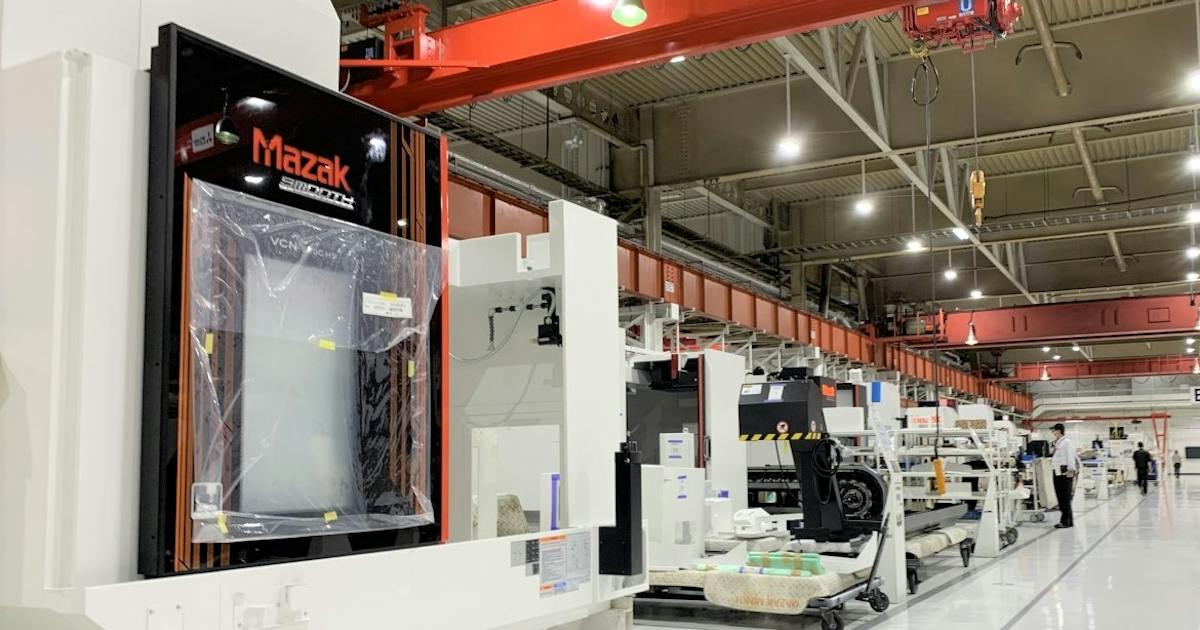
Yamazaki Mazak and ABEJA said on the 16th they will start joint development of physical AI, using ABEJA's ABEJ…
Toyota Motor's Japan Mobility Show Bizweek 2026 booth centers on its AI basketball robot CUE7, has no other ex…
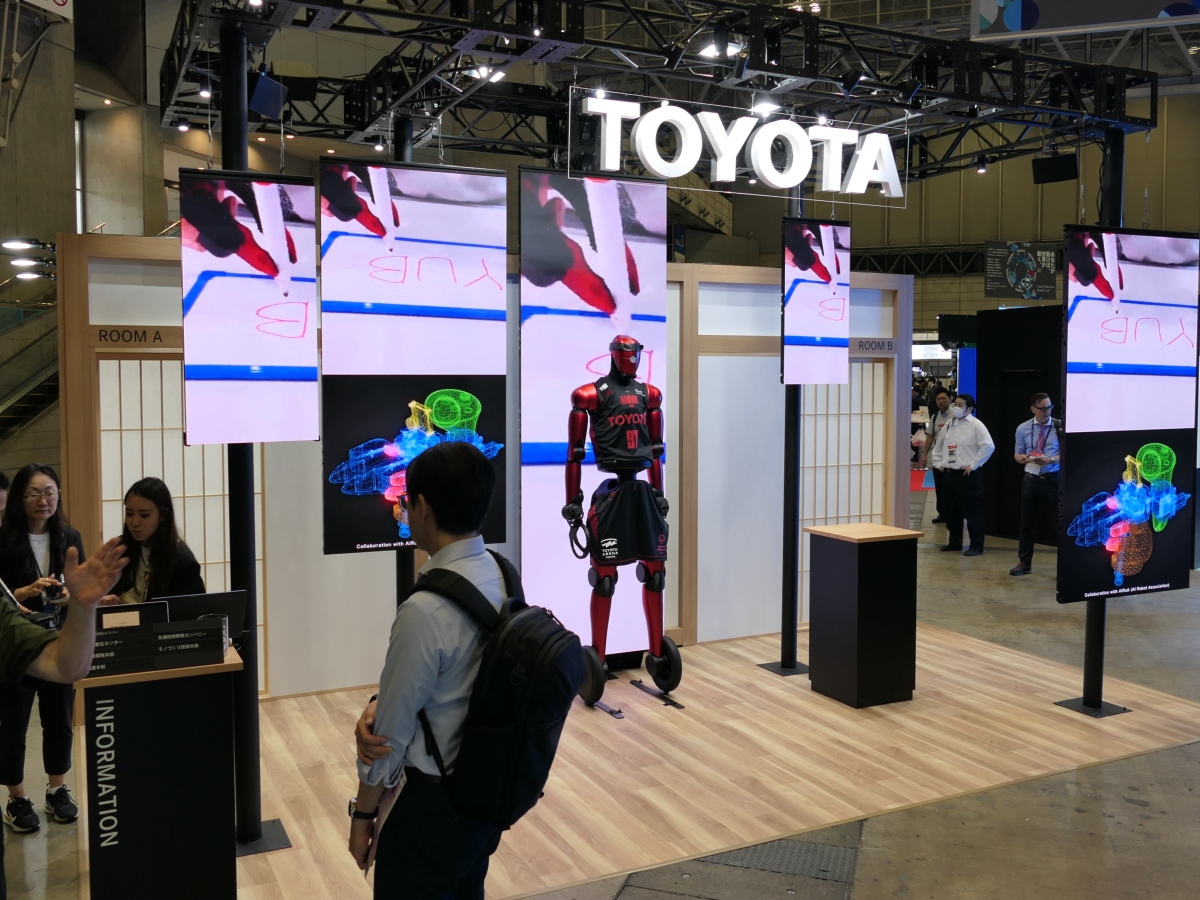
Japan Mobility Show Bizweek 2026 showcased Physical AI applications, including Toyota's basketball-playing rob…