What happened
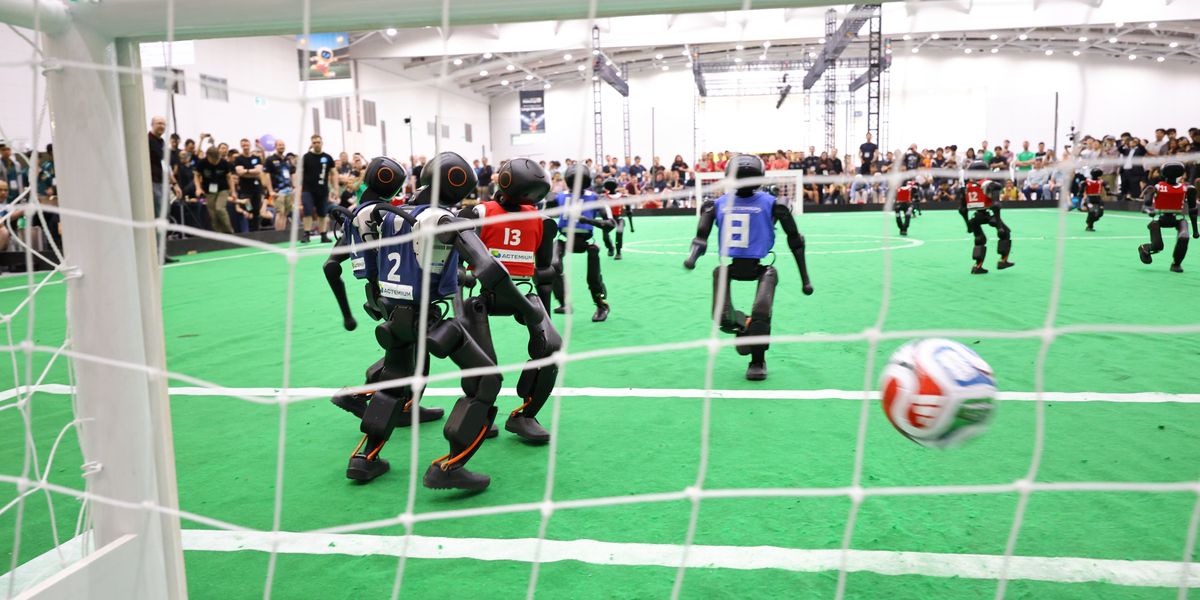
Two full-sized humanoid robot teams played an 11-vs-11 soccer match on hardware for the first time, representing a milestone in a long-standing robotics vision. The match took place at RoboCup 2026 in Incheon, South Korea, where Tech United faced IRIS in the mid-size league.
Why it matters
This achievement brings one of robotics' most ambitious goals closer to reality by demonstrating that teams of humanoid robots can coordinate to play a complex, dynamic sport. The success suggests the underlying technologies—mobility, sensing, coordination—are maturing beyond controlled laboratory settings.
What to watch
The achievement is part of a broader wave of robotics breakthroughs shown at RoboCup 2026 and related events, including robots that can swim and fly, hands matching human dexterity, and AI models improving task success rates to 99% from prior baselines of 64%.
Summaries like this, in your inbox every morning.
The humanoid robot soccer match represents a convergence of advances across multiple robotics domains. The body details concurrent breakthroughs—MIT and EPFL designing a robot that swims and flies like a diving bird, 1X unveiling 25-degree-of-freedom hands with human-level dexterity and tactile sensing, and a model called GEN-1 that achieves 99% success rates on physical tasks (compared with 64% from prior systems) using only 1 hour of robot data per task. Each of these developments feeds into the larger challenge of coordinating multiple complex systems to perform a dynamic team sport.
The significance lies not merely in the spectacle but in what it signals about the maturation of the underlying capabilities. The body notes that Boston Dynamics' Brendan Schulman frames robots like Spot and Atlas as having moved beyond factory settings to deliver real-world value in infrastructure inspection, industrial manufacturing, and public safety—applications that demand robust mobility, environmental sensing, and autonomous decision-making in uncontrolled conditions. A successful 11-vs-11 robot soccer match requires all of these elements to work in concert across multiple agents, suggesting the field is reaching a threshold where such integration is feasible. The body does not claim robots have solved all tasks, but it indicates that the commercial and technical hurdles to multi-robot coordination in dynamic environments are lowering.
Pick your industry and the AI tools you use, and get news related to your work every day.
Free · 30 seconds with Google · unsubscribe anytimeWhat is AIToday? →
Ask AI anything about this article. The AI reads this article, earlier AIToday articles, and Wikipedia, and cites its sources. Q&As are published on this page for other readers too.
In an internal test, Google DeepMind robotics researchers instructed Gemini 4 Argon to watch a video of a huma…
Amulya Vishwanath, who spent seven years leading product marketing for Nvidia's robotics platforms, says robot…

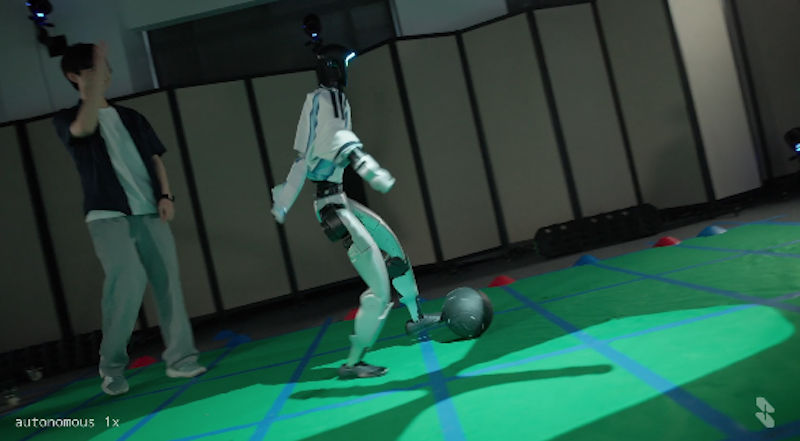
Skild AI used Nvidia Isaac Sim to give its S1 model one objective — score a goal — and let it compete against…
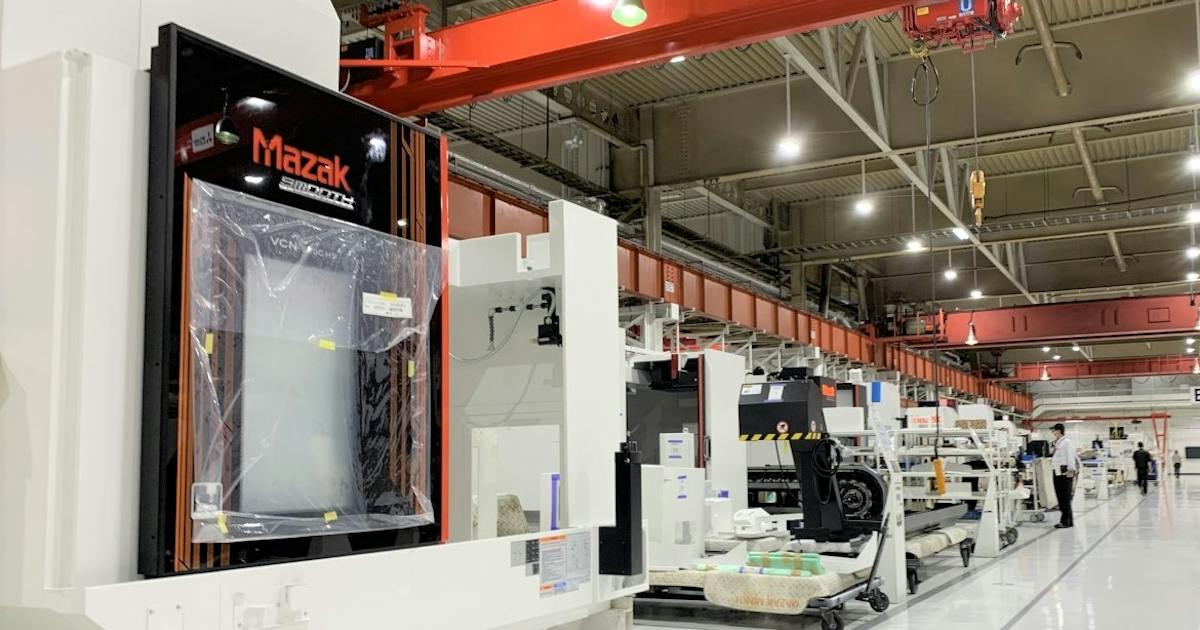
Yamazaki Mazak and ABEJA said on the 16th they will start joint development of physical AI, using ABEJA's ABEJ…
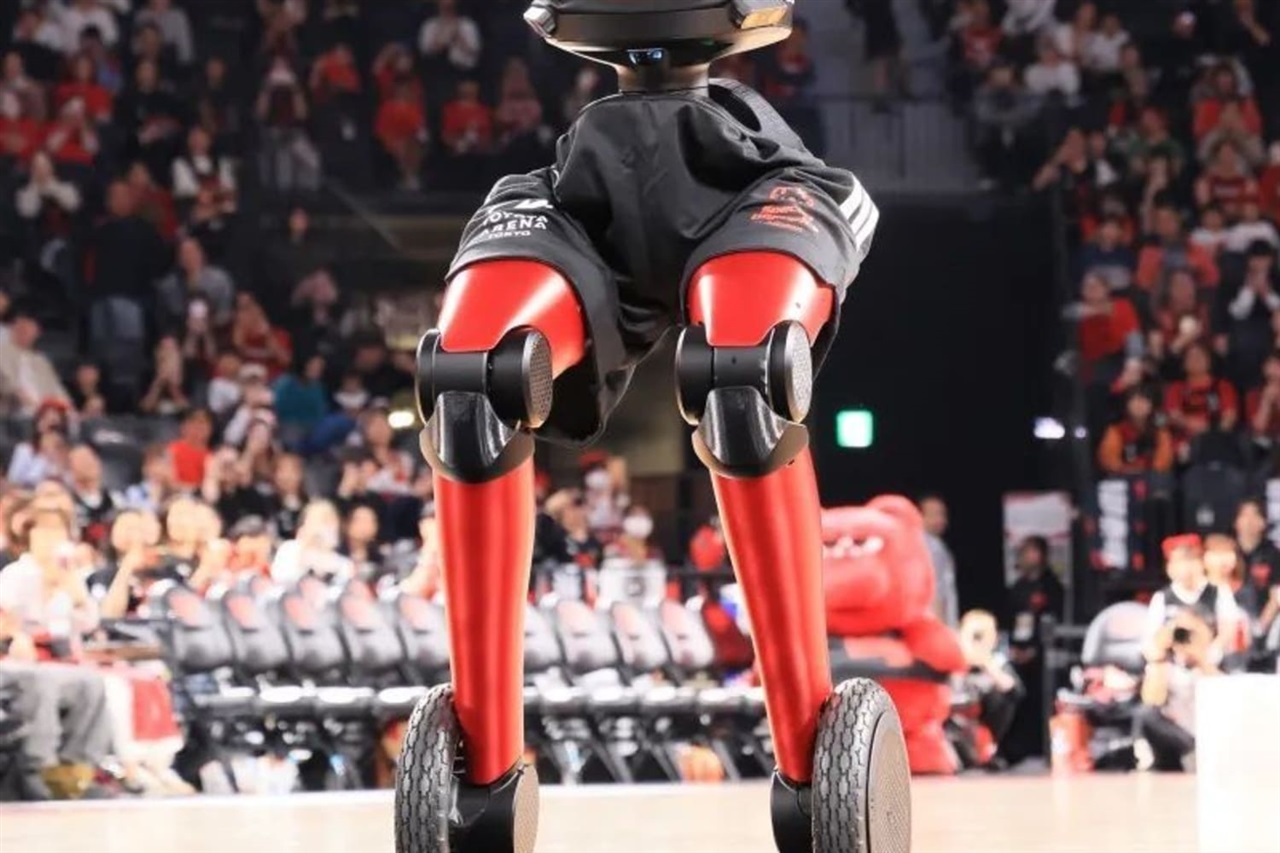
Toyota Motor's Japan Mobility Show Bizweek 2026 booth centers on its AI basketball robot CUE7, has no other ex…
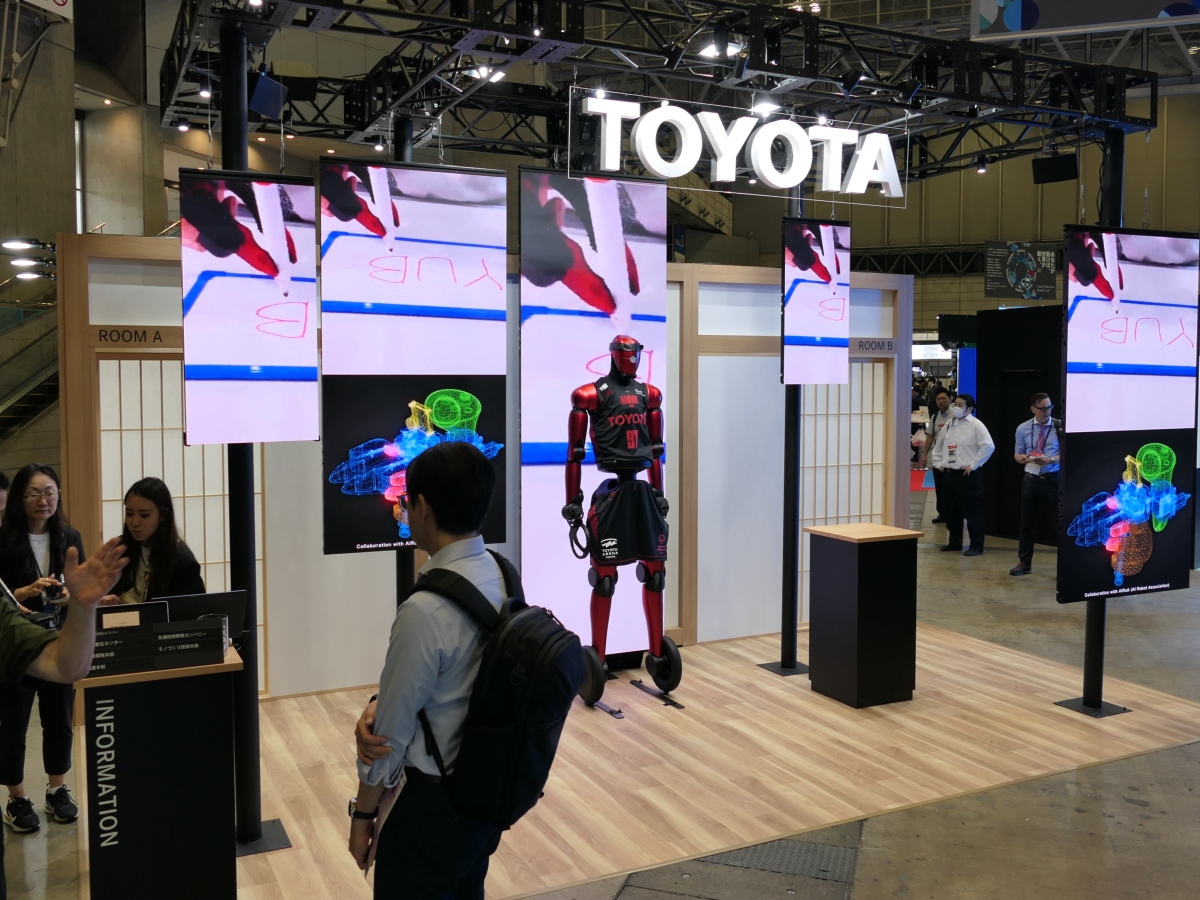
Japan Mobility Show Bizweek 2026 showcased Physical AI applications, including Toyota's basketball-playing rob…