What happened
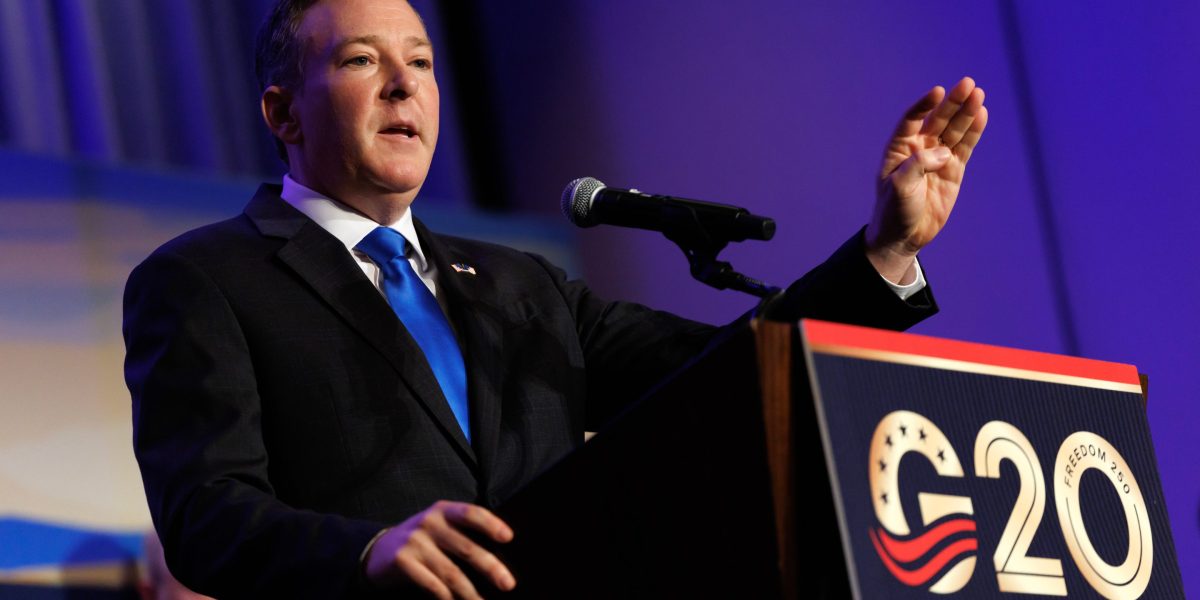
The EPA finalized the repeal of Biden-era emissions mandates for power plants, with Administrator Lee Zeldin calling it 'the largest power sector deregulatory action ever' and proposing to rescind all remaining greenhouse gas standards.
Why it matters
Old coal and gas plants can now stay viable longer, giving data centers a stopgap power source; the Biden standards had required plants to capture 90% of their climate pollution.
What to watch
Legal challenges are inevitable, as with the earlier vehicle rollback, and Romito says coal can fill the gap for three to five years while geothermal and nuclear scale.
WHO IT HITSOperators of hyperscale data centers (large cloud providers) gain more certainty to move forward on power projects, while environmental and public health groups face a rollback they say will trigger legal fights.
Ask the AI about this article →
Summaries like this, in your inbox every morning.
The EPA's move caps a broader pattern: earlier this year it overturned its own 2009 endangerment finding and repealed motor vehicle emissions rules. This repeal, finalized Monday, targets power plants, which the article notes are responsible for almost 25% of the nation's total climate pollution, second only to transportation. The timing was notable: the announcement came shortly after NOAA reported the 2026 summer was the warmest in U.S. history, about 3 degrees Fahrenheit above average.
Experts quoted in the article frame the rollback less as a climate policy in itself than as a stopgap for the AI buildout. Dan Romito of Opportune described it as a 'Band-Aid' that keeps old coal and gas plants viable for three to five years, giving the market time to incorporate geothermal and next-gen nuclear. He argued it also relieves investor apprehension about funding new, more efficient plants. Environmentalists, including Sierra Club's Holly Bender, called it a 'license to keep polluting.'
The stakes hinge on whether the proposed rescission of the EPA's regulatory authority survives the legal challenges the article says are inevitable. If it does, it could prevent future administrations from regulating these emissions at all. For data center operators, the near-term question is whether the promised stopgap power arrives before demand outpaces supply.
For example, today's edition would include:
AI-summarized, only the topics you pick — one digest a day via Email, Slack, or Discord.
Free · 30 seconds with Google · unsubscribe anytimeWhat is AIToday? →
Ask AI anything about this article. Q&As are published on this page for other readers too.
Keri Tracy, VP and chief audit executive at Newell Brands, told theCUBE that audit has a seat at the table for…

Profound raised $180 million in a Series D led jointly by Sequoia Capital and Kleiner Perkins, at a $1.8 billi…

AIUC raised a $40 million Series A led by Ribbit Capital to start auditing frontier AI models, after previousl…

Factory announced it raised $200 million, backed by Blackstone, Khosla Ventures, Sequoia Capital, NEA and othe…

Salesforce launched Koa, a reasoning model built on Nvidia's Nemotron open-weights platform, and Claudeforce…
Google launched Gemini 3.8 Live and Gemini 3.8 Live Extended Thinking, its most advanced voice models yet, wit…