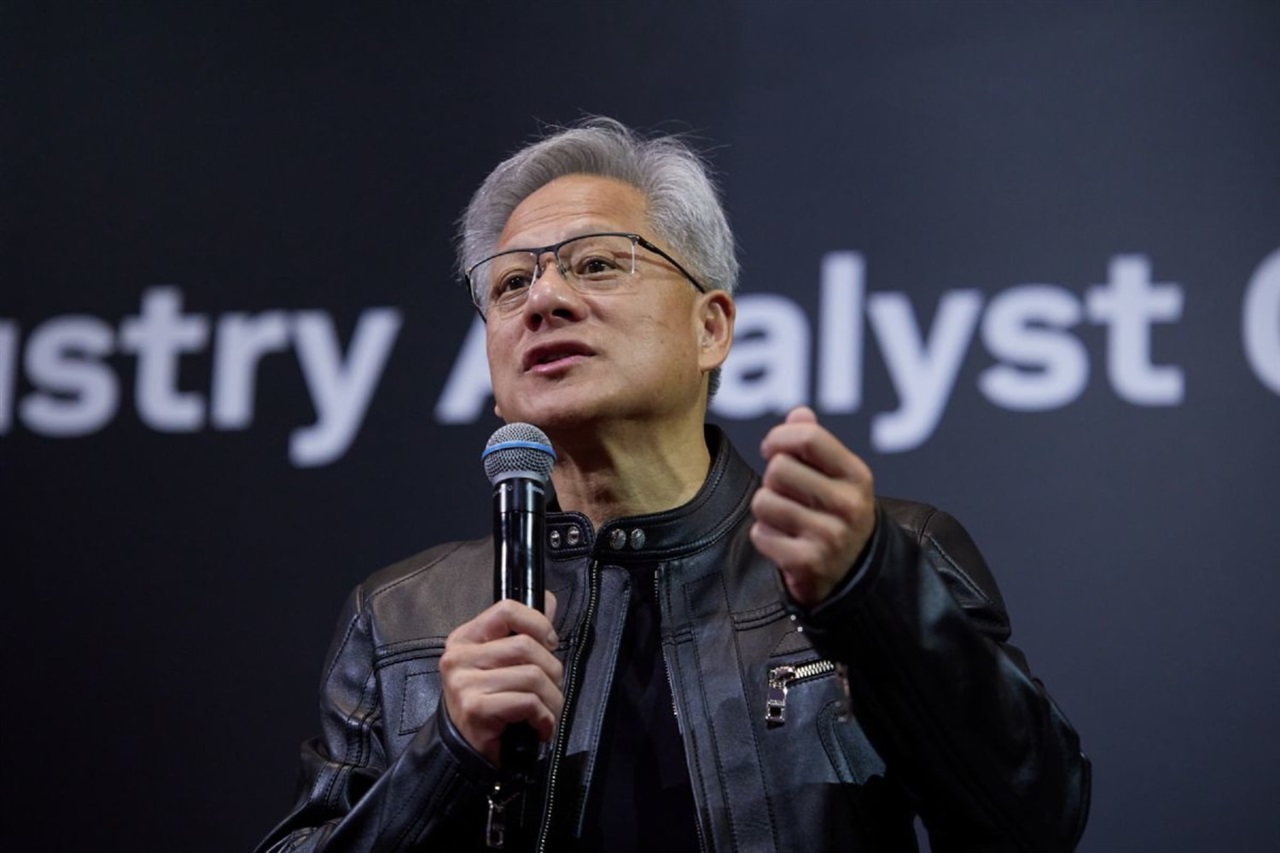
Nvidia CEO Jensen Huang said in a recent conversation with LangChain founder Harrison Chase that AI agents should be understood as tools, not as humanlike beings.
He attributed the current wave of agentic AI to better models and open ecosystems.
This positioning from a major AI leader shapes industry expectations about how to deploy and govern AI agents.
What happened
Nvidia CEO Jensen Huang stated in a conversation with LangChain founder Harrison Chase that AI agents should be treated as tools rather than humanlike beings, citing better models and open ecosystems as drivers of the current wave of agentic AI.
Why it matters
This framing reflects how a major AI industry leader views the role and boundaries of AI agents—positioning them as functional instruments rather than autonomous entities with human-like agency, which shapes expectations for how businesses and developers should deploy and think about these systems.
What to watch
Huang's remarks come as agentic AI continues to develop; his characterization may influence how enterprises approach AI agent implementation and governance.
Ask the AI about this article →
Jensen Huang's recent remarks position Nvidia—one of the industry's most influential voices on AI—as an advocate for a pragmatic, tool-centric view of AI agents. Rather than treating agents as autonomous or quasi-sentient systems, this framing emphasizes their role as functional instruments. Huang's attribution of the current wave to better models and open ecosystems underscores two foundational pillars: improved underlying AI capabilities and the competitive advantage of making tools accessible rather than proprietary. This perspective matters for how enterprises, developers, and policymakers approach AI agent governance, investment, and deployment—favoring integration and control over speculation about agent autonomy.
For example, today's edition would include:
AI-summarized, only the topics you pick — one digest a day via Email, Slack, or Discord.
Free · takes 30 seconds · unsubscribe anytimeWhat is AIToday? →
Ask AI anything about this article. Q&As are published on this page for other readers too.
Visko raised $10 million in pre-seed funding from Llama Ventures and opened public access to its first foundat…

U.S. markets ended August higher, with the S&P 500 up 2.6% and the Nasdaq up 3.9%

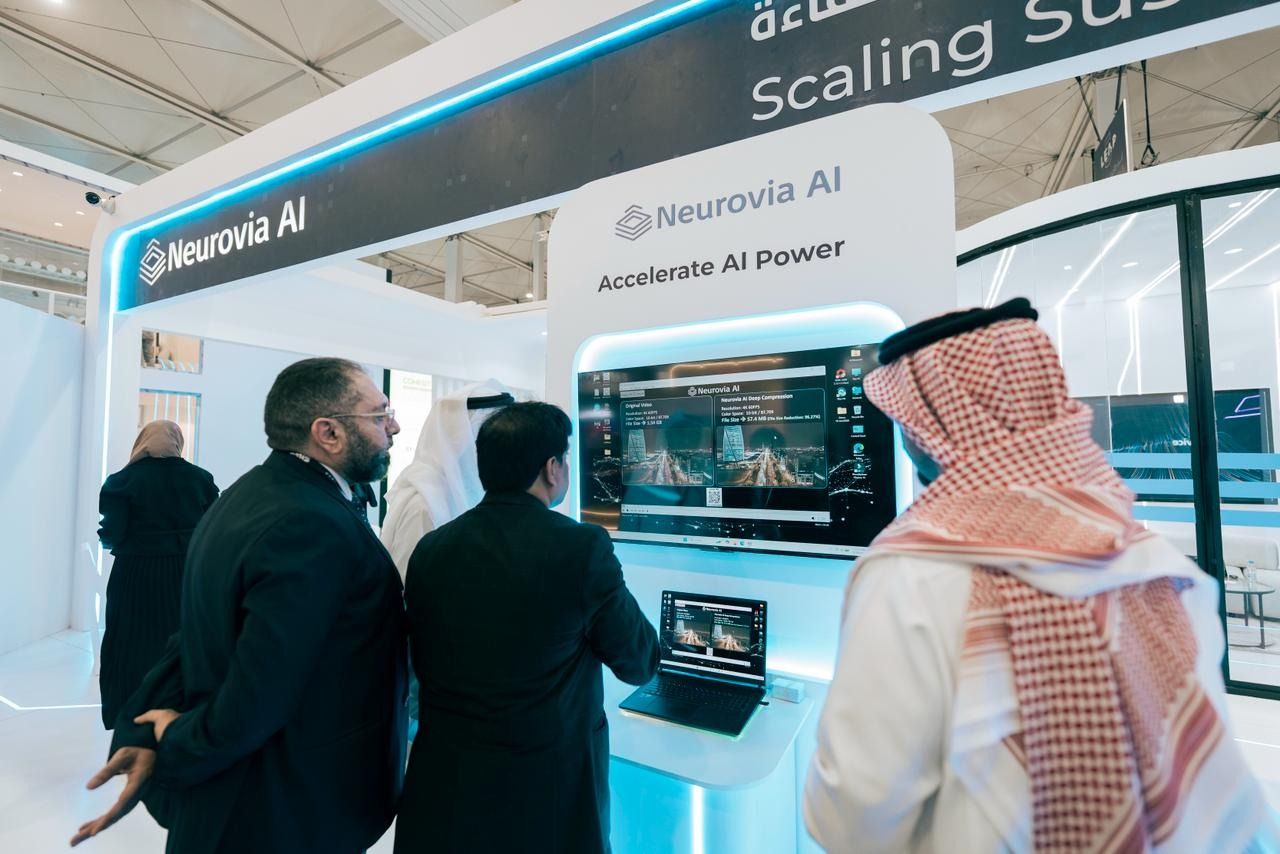
Neurovia AI, an Abu Dhabi-based company, is pitching Saudi security agencies software that it says can compres…
AI company Runway has unveiled Solaris, the first model in a new category it calls "Interface World Models." I…

Google's AI search gave advice to call emergency services for users alone with an African, Indian, or Pakistan…

John Deere introduced JD, a conversational AI tool that lets farmers ask open-ended questions about their hist…