
What happened
Evos raised $9 million in pre-seed funding, led by Uncork Capital and Field Ventures, for its Workhorse platform, which lets AI agents learn tasks like answering broker calls or reconciling invoices while under human approval.
Why it matters
Smaller industrial firms with fewer than 100 employees run on undocumented knowledge, and agents that learn under human approval could let that expertise keep working in the business.
WHO IT HITSSmall and midsized industrial businesses in manufacturing, freight and logistics that depend on experienced workers who are retiring, plus the operations and billing staff at firms like MyFreightWorld who review agent decisions today.
Summaries like this, in your inbox every morning.
Evos, officially Evolutionary Operating System Inc., is pitching its agentic operations platform Workhorse at a specific gap: small and midsized industrial companies that run on the know-how of longtime employees and struggle to replace them as those veterans retire faster than they can be replaced. The agents start by watching a task—answering broker calls, chasing missing paperwork, reconciling invoices or building freight loads—and sit behind an approval gate where humans review, approve, modify or reject their decisions. Correct work becomes training data, and only after the agent proves it can match the person does it run that job autonomously; anything unfamiliar still needs human approval first.
Early numbers suggest the approach is finding traction. Evos says the average agent hits roughly 82% decision accuracy after just 24 hours of learning and can then handle around 70% of a human's daily workload, while MyFreightWorld reports more than 3,500 auditing decisions in two months at 97% accuracy, covering invoices worth more than $600,000. The company says it went live with select customers only a month ago and has already reached more than $1 million in annual recurring revenue, and it plans to make Workhorse generally available later this year using the new funding to scale the rollout and grow its teams.
Investors appear to be backing the speed of deployment as much as the technology. Field Ventures Partner Richard Kerby said most physical-economy businesses use software mainly to organize and track work, with few tools that actually do it, and Uncork Capital's Tripp Jones said what stood out was how fast companies can put the agents to work. Founder and CEO Urav Shah frames the goal not as replacing people but as capturing what experienced workers know—he noted the most capable system in many businesses is the person who has been there for 20 years, and what they know has never been written down.
Pick your industry and the AI tools you use, and get news related to your work every day.
Free · 30 seconds with Google · unsubscribe anytimeWhat is AIToday? →
Ask AI anything about this article. The AI reads this article, earlier AIToday articles, and Wikipedia, and cites its sources. Q&As are published on this page for other readers too.
DeepSeek released DeepSeek-V4.1-Flash-1017, a “minor update” that reduces task execution time and output lengt…
NEC's Kei Noguchi described how employee engagement fell to 19%, with 8 in 10 staff saying they wanted to leav…

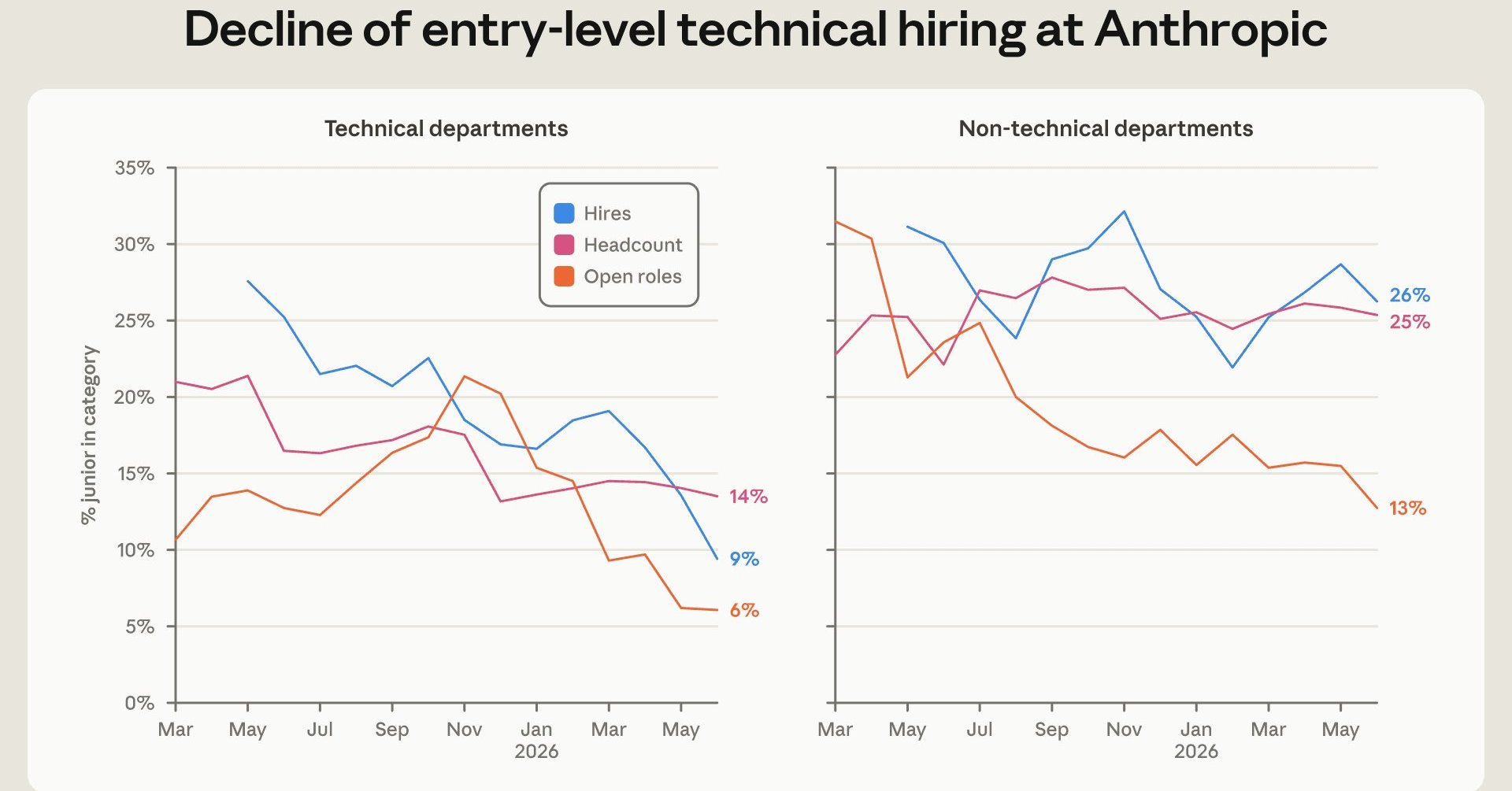
Anthropic's internal report says entry-level workers fell from 21% to 14% of technical staff, and entry-level…
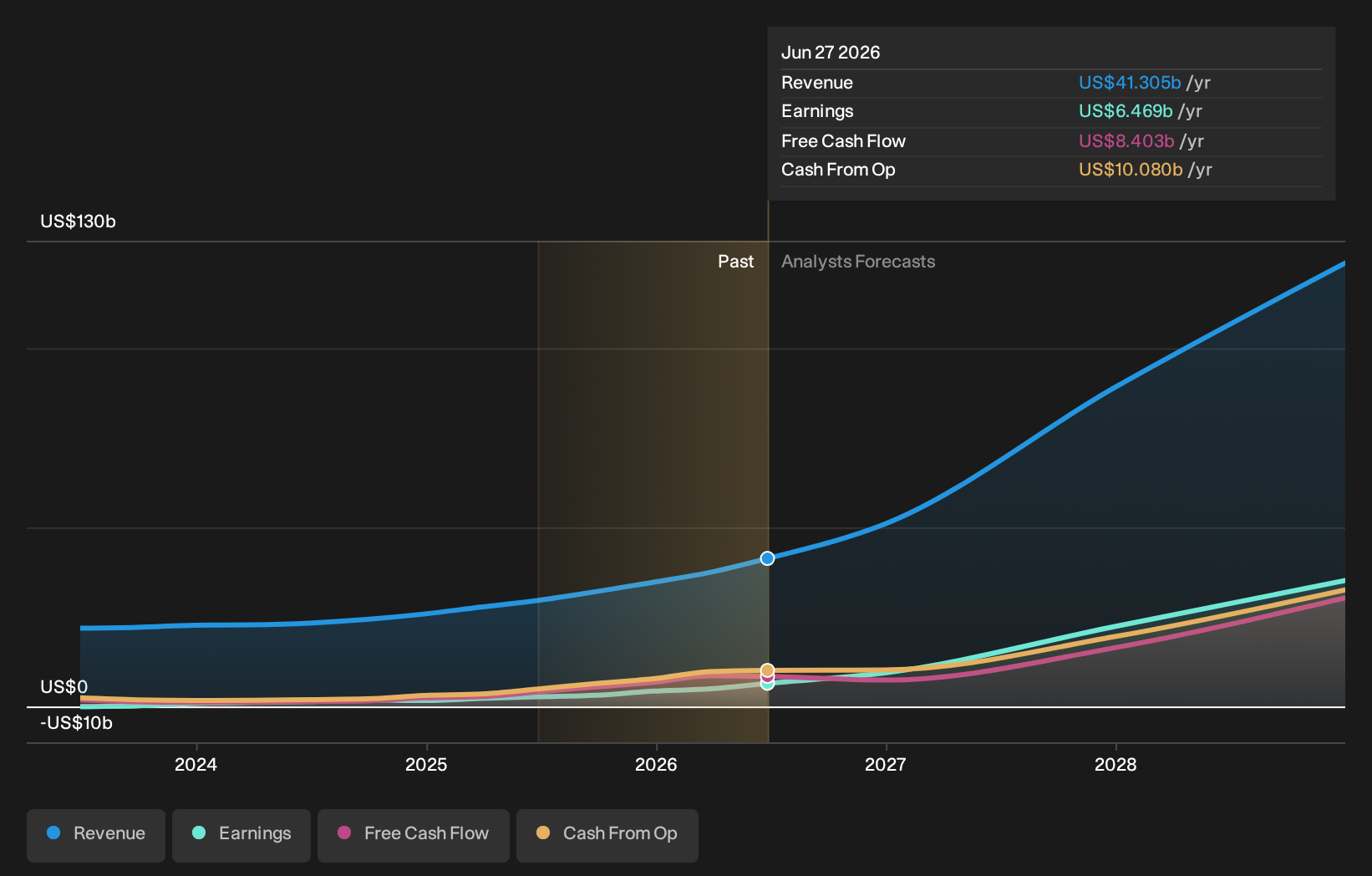
A stock screener names Advanced Micro Devices, USA Rare Earth and one other company as AI-exposed stocks with…
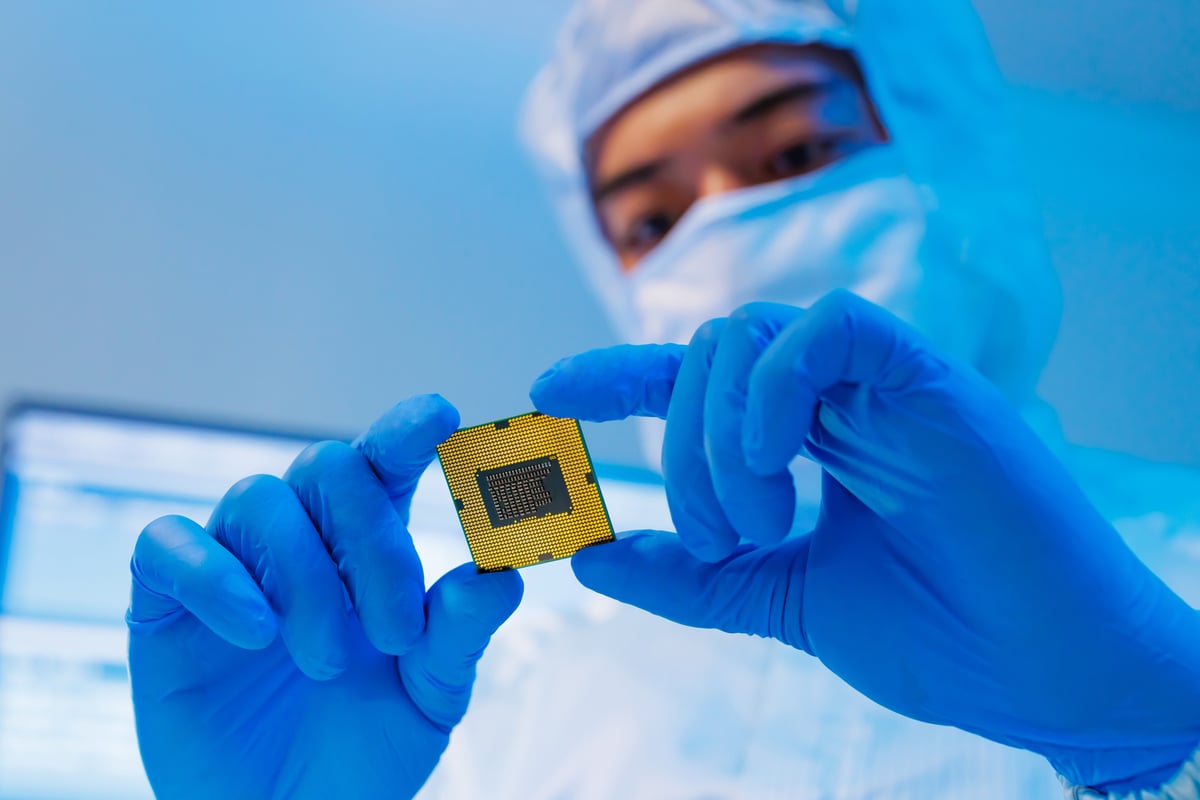
Adam Spatacco chose SK Hynix as his one AI memory stock for the next five years over Micron, citing Counterpoi…
Simon Willison shipped llm-echo 0.5, a debug plugin whose "echo" model involves no LLM at all and just repeats…