What happened
Meta's AI assistant Muse can list and unfollow Instagram accounts that don't follow you back; Khalil Roberts used it to drop 151 accounts in minutes, then shared instructions on X.
Why it matters
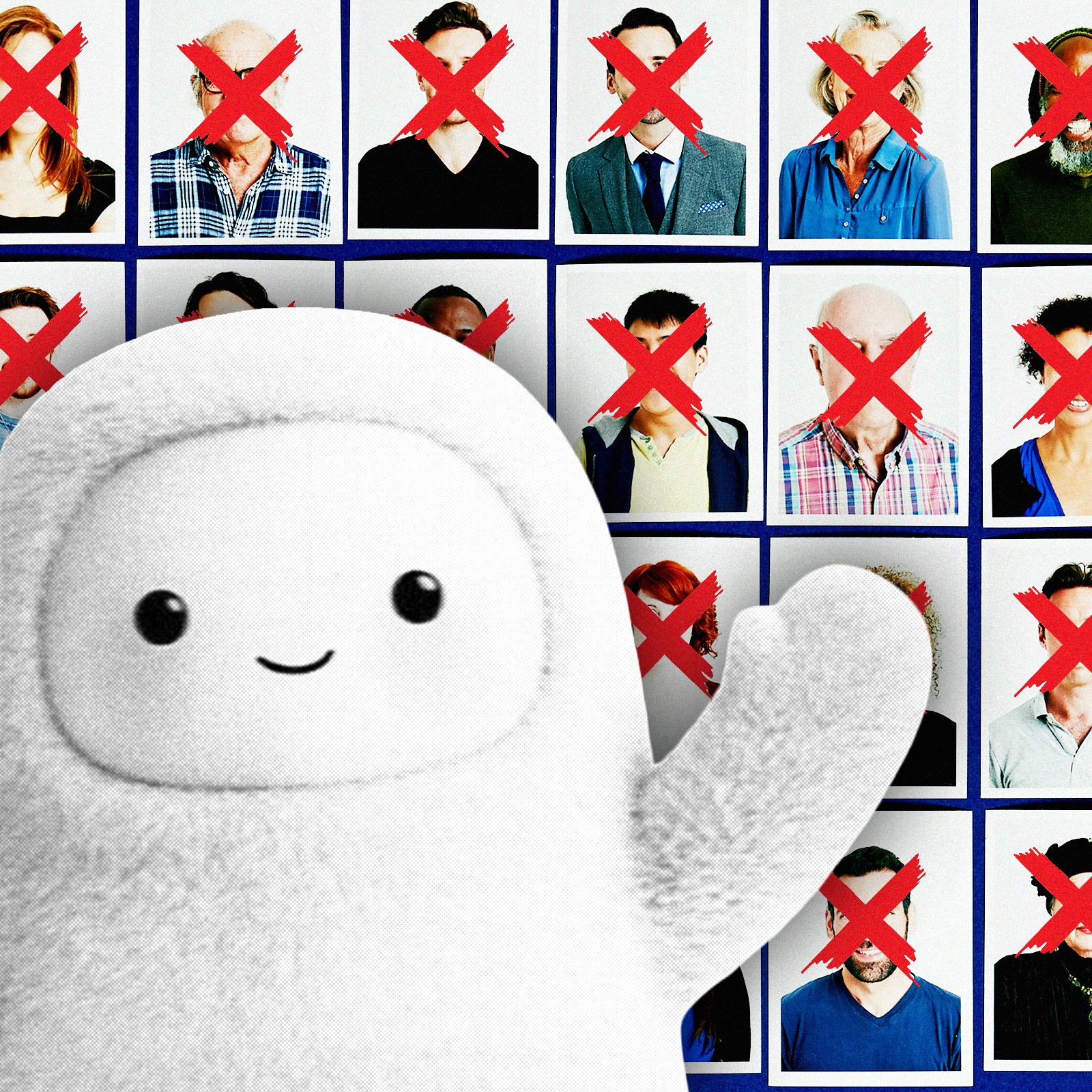
The tool turns a tedious social decision into a one-click purge, and some users are using it to even scores or clean cluttered feeds — though a professor warns it may outsource emotionally uncomfortable choices.
Summaries like this, every morning.
The trend emerged after Khalil Roberts posted about his November 7 cleanse on X, and similar stories have since spread across X, Instagram, and Facebook. Muse's ability to avoid spam flags — a concern with third-party apps — appears to have encouraged adoption, as Roberts noted he felt safe using it.
Beyond petty unfollows, the tool is being used to manage cluttered feeds, as with Elizabeth Brooks, who prompts Muse for profile links to manually unfollow giveaway accounts. This suggests the feature appeals to both score-settling and practical curation.
Meta's removal of an ad promoting the unfollow-tracking capability, and its silence when asked why, may indicate sensitivity about how the feature is perceived. Natalie Pennington, a Colorado State University professor, questions whether outsourcing such social decisions is healthy, noting that the information may not be something users need to know.
Pick your industry and the AI tools you use, and get news related to your work every day.
Free · 30 seconds with Google · unsubscribe anytimeWhat is AIToday? →
Ask AI anything about this article. The AI reads this article, earlier AIToday articles, and Wikipedia, and cites its sources. Q&As are published on this page for other readers too.
Researchers at the Technion, University of Haifa, and Google Research released AltRA-Test, which checks whethe…

The Nov 19 arXiv paper found ICLR critique overlap rose from 12.0% in 2026 to 21.3% in 2027, with LLM-flagged…
Feed Inc. began offering "Marugoto LLMO" on November 17, 2026, covering AI research, question design, page rew…

Co-Labo AI published the first of three explainer installments on ontology on November 20, 2026, aimed at manu…

The guide maps input types to fields — images and video to computer vision (CV), text to natural language proc…

Across 52 laboratory tasks in physical sciences, life sciences and engineering, Claude Fable 5.2 led 13 agents…

